Discover the Enduring Charm of Brooklyn Row Houses: A Guide to Historic Architecture
Brooklyn, one building at a time – A journey through the architectural legacy of its iconic row houses.
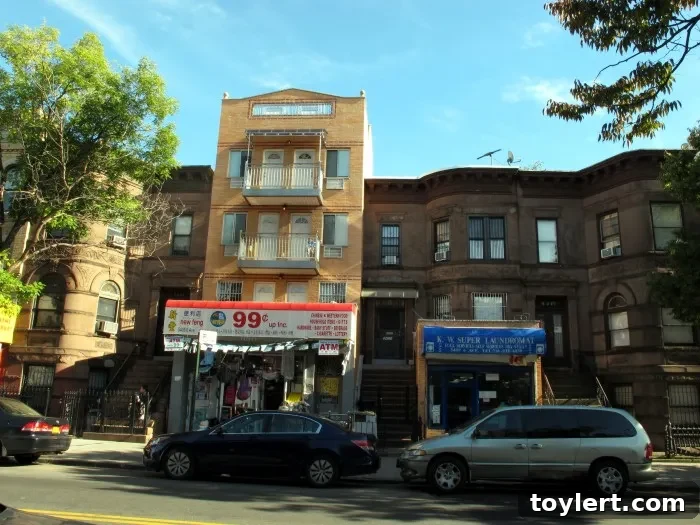
Brooklyn, a borough world-renowned for its distinct identity, vibrant culture, and charming tree-lined streets, holds within its urban fabric a profound architectural heritage: the beloved row house. More than mere residences, these structures are living monuments, each telling a piece of Brooklyn’s storied past, its periods of rapid growth, economic evolution, and shifting aesthetic sensibilities. From the majestic brownstones that line the streets of Park Slope to the intricately detailed brick facades found in Bedford-Stuyvesant, Brooklyn’s row houses stand as a powerful testament to timeless design, meticulous craftsmanship, and enduring urban appeal, seamlessly blending historical grandeur with modern urban living.
The Historical Tapestry: How Row Houses Shaped Brooklyn
The rise of the row house in Brooklyn is deeply intertwined with the borough’s dramatic transformation in the 19th century. As industrialization surged and New York City’s population exploded, Brooklyn transitioned from a collection of quaint agricultural villages into a bustling metropolis. This rapid urbanization created an urgent demand for efficient, high-density housing that could accommodate a diverse influx of new residents, from the working class to the burgeoning middle class. Row houses provided an elegant and practical solution: they maximized valuable land, allowed for cost-effective construction through standardized designs, and offered homeowners the prestige of individual property ownership within a unified, picturesque streetscape.
Initially, the prevailing architectural styles were the clean lines of Federal and Greek Revival, characterized by their symmetrical brick facades and classical embellishments. However, as the 19th century progressed, tastes evolved, embracing the more romantic and ornate expressions of the Victorian era. This shift introduced a rich array of Italianate, Neo-Grec, Queen Anne, and Romanesque Revival designs. These styles, each adding distinct layers of decorative complexity, material richness, and individual character, are what contribute to the incredible visual diversity seen across Brooklyn’s neighborhoods today. The choice of building materials, whether locally sourced brick or the highly coveted imported brownstone, played a pivotal role in defining the unique character of various districts, influencing everything from architectural style to the very names of some of Brooklyn’s most famous enclaves.
An Architectural Symphony: Diverse Styles and Defining Features
One of the most compelling aspects of Brooklyn’s row houses is their astonishing architectural variety. While often broadly categorized as “brownstones,” these homes encompass a remarkable spectrum of styles, each reflecting a specific historical period and design philosophy:
- Federal Style (c. 1800-1830s): These are typically the earliest surviving row houses, often three stories high, made of brick, and characterized by their understated elegance, symmetrical facades, and simple detailing. They often feature pitched roofs with dormer windows.
- Greek Revival (c. 1830s-1850s): Drawing inspiration from ancient Greek temples, these homes often present imposing entrances with grand columns or pilasters, strong horizontal cornices, and pedimented window lintels. The stoop became a significant feature, elevating the main living floor.
- Italianate (c. 1850s-1880s): A hugely popular and visually rich style, Italianate row houses are easily recognizable by their characteristic brownstone or stucco finishes, low-pitched roofs with dramatic overhanging eaves supported by decorative brackets, tall arched windows, and elaborate door surrounds. Many feature projecting bay windows and a full-width, inviting stoop.
- Neo-Grec (c. 1870s-1880s): A more austere Victorian style, Neo-Grec homes merge classical elements with a modern, almost industrial sensibility. They often feature incised carving in stone lintels and panels, strong horizontal lines, and angular detailing, conveying a sense of solidity and monumentality.
- Queen Anne (c. 1880s-1900s): Celebrated for their picturesque and often asymmetrical compositions, Queen Anne row houses integrate a rich variety of textures and materials (such as brick, terra cotta, and wood shingles), turrets, bay windows, and highly decorative elements like carved panels, stained glass, and patterned brickwork. They introduced a playful individualism to the urban streetscape.
- Romanesque Revival (c. 1880s-1890s): Distinguished by their robust, often rusticated stone facades, deep-set rounded arch windows and doorways, and heavy masonry construction, these homes exude a powerful sense of strength and permanence. Architect H.H. Richardson was a seminal influence on this style, known for its commanding presence.
- Beaux-Arts (c. 1890s-1920s): Reflecting the opulence of French classical architecture, Beaux-Arts row houses are identified by their elaborate ornamentation, classical motifs, intricate stone carving, and often large scale. They typically represent high-end urban residences, showcasing impressive and refined detailing.
Beyond these stylistic distinctions, many row houses share fundamental structural and decorative elements that contribute to their universal appeal. The grand stoop, a prominent flight of steps leading to the parlor floor, is perhaps the most iconic feature, providing both a dramatic entrance and a semi-private outdoor space perfect for observing the rhythm of neighborhood life. Inside, homeowners are often greeted by original details such as high ceilings, intricate plaster moldings, marble fireplaces, wide plank or parquet floors, and elegant pocket doors, all of which transport residents to an earlier era, even as modern amenities are seamlessly integrated.
Brooklyn’s Iconic Row House Neighborhoods: A Walk Through History
The unparalleled legacy of the row house is best experienced by exploring Brooklyn’s most celebrated neighborhoods, each offering a distinct flavor of urban charm and architectural grandeur:
- Brooklyn Heights: As the borough’s very first historic district, Brooklyn Heights is home to some of its oldest and most picturesque row houses. Many boast breathtaking views of the Manhattan skyline, and its quiet, tree-lined streets showcase an exquisite mix of Federal, Greek Revival, and Italianate styles.
- Park Slope: Synonymous with magnificent brownstones, Park Slope is celebrated for its elegant Victorian architecture. Its wide, grand avenues and immediate proximity to the expansive Prospect Park make it one of Brooklyn’s most desirable and family-friendly residential areas.
- Carroll Gardens: This unique neighborhood is characterized by its distinctive “garden apartments”—row houses thoughtfully set back from the street, featuring deep, lush front gardens. Carroll Gardens radiates a quaint, almost suburban ambiance within a vibrant urban setting, displaying beautiful Italianate and Neo-Grec homes.
- Fort Greene: Rich in cultural history and artistic vibrancy, Fort Greene presents a remarkable collection of Italianate and Neo-Grec brownstones, many of which majestically overlook the verdant Fort Greene Park. Its thriving arts scene perfectly complements its architectural splendor.
- Cobble Hill: With its charming cobblestone streets and impeccably preserved 19th-century homes, Cobble Hill offers a quintessential village-like atmosphere. Its diverse row houses represent a delightful blend of Federal, Greek Revival, and Italianate styles, contributing to its timeless appeal.
- Bedford-Stuyvesant (Bed-Stuy): Boasting one of the largest concentrations of Victorian brownstones in the entire United States, Bed-Stuy’s grand, tree-lined streets are a magnificent testament to its prosperous past. It features an incredible and varied array of Queen Anne, Romanesque Revival, and Neo-Grec architecture.
- Bushwick: While historically known for its industrial roots, certain revitalized pockets of Bushwick reveal charming late 19th-century brick row houses, often adorned with unique decorative cornices and intricate details, increasingly appreciated for their distinct character and burgeoning value.
Beyond Aesthetics: The Enduring Value and Lifestyle of Row Houses
The profound appeal of Brooklyn’s row houses extends far beyond their captivating aesthetic charm. They represent a sound and significant investment, consistently commanding premium prices in an intensely competitive real estate market. This sustained value is underpinned by several compelling factors:
- Historical Significance: Owning a Brooklyn row house means becoming a steward of a tangible piece of New York City’s history, attracting buyers who deeply appreciate unique character and historical authenticity over modern uniformity.
- Architectural Integrity and Craftsmanship: The superior craftsmanship and high-quality materials utilized in the construction of these historic homes are often unparalleled by contemporary builds, contributing significantly to their remarkable longevity and desirability.
- Prime Location and Community: Row houses are typically situated in established, highly desirable neighborhoods, offering mature tree-lined streets, convenient access to expansive parks, and a strong, cohesive sense of community. They are often within easy walking distance of essential amenities, vibrant local businesses, and efficient public transportation.
- Exceptional Investment Potential: Despite occasional market fluctuations, Brooklyn row houses have consistently demonstrated remarkable resilience and impressive appreciation in value over many decades, establishing them as exceptionally sound long-term investments.
- Flexibility in Living Arrangements: Many row houses are thoughtfully designed to accommodate multi-unit living, offering valuable income potential from rental units or providing flexible living arrangements for extended families, all while preserving a private and spacious owner’s residence.
Preservation, Adaptation, and the Future
Maintaining the architectural integrity and historical authenticity of these magnificent structures is a continuous and dedicated effort. Landmark preservation commissions play a crucial role in overseeing renovations, ensuring that any modifications respectfully adhere to the original architectural character. Owners frequently embark on meticulous restoration projects, skillfully balancing the imperative for modern comforts and energy efficiency with the unwavering desire to preserve irreplaceable period details. This thoughtful fusion of old-world charm with 21st-century functionality creates homes that are both historically authentic and perfectly suited for contemporary urban living.
While the challenges of owning a historic row house—from navigating intricate renovation permits to sourcing specialized period-appropriate materials—can be considerable, they are consistently outweighed by the immense satisfaction and unique lifestyle they offer. Living in a home imbued with such rich character, deep history, and a tangible connection to the past is unparalleled. These homes foster a unique urban lifestyle, encouraging vibrant street-level interactions, nurturing strong community bonds, and providing a profound sense of rootedness in an ever-evolving and dynamic city.
The Enduring Legacy of Brooklyn’s Architectural Icons
As Brooklyn continues its fascinating journey of growth and transformation, its beloved row houses remain steadfast symbols of its rich past and its vibrant, dynamic present. They represent a sustainable and highly desirable form of urban development, effortlessly adaptable to changing needs while retaining their timeless aesthetic appeal and inherent value. For aspiring homeowners, architecture aficionados, and urban explorers alike, embarking on a journey through Brooklyn’s row houses is an immersive and enriching experience that reveals the artistry, history, and indomitable community spirit that truly define this extraordinary and iconic corner of New York City.