Gowanus Canal Superfund Cleanup: Proposed Sewage Tanks Spark Community Outcry in Brooklyn
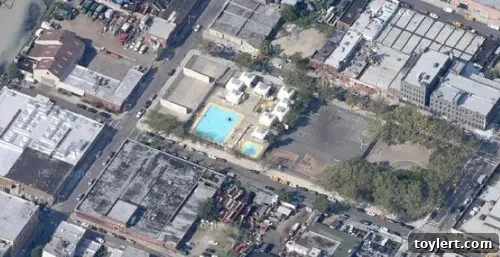
The ambitious, half-a-billion-dollar Superfund cleanup of Brooklyn’s notoriously polluted Gowanus Canal is moving forward, but a critical component of the federal plan has ignited a significant controversy within the local community. Federal authorities are proposing the construction of massive underground holding tanks designed to contain millions of gallons of raw sewage beneath two beloved neighborhood landmarks: the Douglass-Degraw Pool and the Thomas Greene Playground. This proposal has been met with staunch opposition from residents and community leaders who express profound concerns over public safety, the long-term closure of vital recreational spaces, and the fundamental suitability of placing such infrastructure directly beneath an active community park.
The Gowanus Canal, once a bustling industrial artery, earned its Superfund designation from the Environmental Protection Agency (EPA) due to decades of severe contamination. The waterway has long suffered from a cocktail of industrial waste, coal tar, heavy metals, and persistent raw sewage discharges. A key challenge in its remediation is addressing the pervasive issue of Combined Sewer Overflows (CSOs). During heavy rainfall, the city’s antiquated sewer system, which combines stormwater and wastewater, becomes overwhelmed, leading to the direct discharge of untreated sewage and pollutants into the canal. These CSOs are a major impediment to the canal’s ecological recovery and pose significant public health risks, preventing the waterway from ever truly being clean.
Addressing the Combined Sewer Overflow Challenge
The federal government’s comprehensive strategy for the Gowanus Canal aims to dredge contaminated sediments, cap the canal bottom, and, crucially, manage the flow of CSOs. The proposed holding tanks are central to this last objective. These enormous subterranean basins would act as retention facilities, capturing millions of gallons of sewage runoff during peak rain events. By holding this overflow temporarily, the system would prevent raw sewage from pouring directly into the Gowanus Canal, instead allowing it to be slowly released back into the sewer system for treatment once capacity becomes available. This is a common engineering solution for older urban areas with combined sewer systems, designed to significantly improve water quality in affected waterways.
While the environmental necessity of managing CSOs is widely acknowledged, the chosen location for these critical facilities has become the flashpoint of community resistance. The Douglass-Degraw Pool and Thomas Greene Playground are more than just public amenities; they are cornerstones of the Gowanus and Carroll Gardens neighborhoods. The pool provides a much-needed cooling refuge during hot Brooklyn summers, offering swimming lessons and recreational opportunities for hundreds of families. The playground serves as a vital green space and social hub for children and parents alike, fostering community bonds and promoting outdoor activity in an otherwise dense urban environment.
Community Outcry: Loss of Public Space and Safety Concerns
The prospect of losing these cherished public spaces, potentially for years, due to the extensive construction required for the holding tanks, is deeply unsettling to residents. Adding insult to injury, the park was recently the beneficiary of a substantial $900,000 facelift, an investment that now appears to be undermined by the federal government’s plans. Community leaders and local advocacy groups, such as Friends of Douglass/Greene Park, argue that the disruption to daily life and the loss of essential recreational facilities will have a devastating impact on the quality of life for families in the area.
Beyond the inconvenience, profound health and safety concerns underpin the community’s opposition. Sabine Aronowsky, a board member for Friends of Douglass/Greene Park, articulated a widely held sentiment when she told The Brooklyn Paper: “You’ll have millions of gallons of raw sewage beneath the pool and I just don’t see how that is safe. This shouldn’t happen — I don’t feel comfortable with it and I don’t know any parent that would.” This quote encapsulates the deep discomfort and perceived risk associated with storing vast quantities of untreated wastewater directly beneath a children’s playground and public swimming pool. Residents worry about potential leaks, noxious odors, the long-term structural integrity of such an underground facility, and the psychological impact of knowing what lies beneath their recreational areas.
The proposed location raises fundamental questions about public health protection and environmental justice. While the Superfund cleanup aims to mitigate environmental hazards, community members fear that this particular solution merely shifts the burden, creating new potential risks in a densely populated residential area. The perceived lack of transparent communication and robust community consultation regarding alternative sites further exacerbates feelings of disenfranchisement among residents who feel their concerns are being overlooked in favor of a top-down federal mandate.
The Broader Challenges of Urban Environmental Infrastructure
This contentious situation in Brooklyn highlights the immense challenges inherent in modernizing aging urban infrastructure and undertaking large-scale environmental remediation projects in densely populated cities. Combined Sewer Overflows are not unique to the Gowanus Canal; they are a systemic issue in many older American cities with outdated sewer systems. Finding space for massive new infrastructure, such as retention tanks, in areas already built out and home to vibrant communities, often forces difficult choices. Balancing the critical need for environmental protection with the preservation of existing public spaces and the well-being of residents is a complex tightrope walk for urban planners and government agencies.
Community advocates are not simply opposing the cleanup but are calling for a re-evaluation of the proposed site and a more collaborative approach. They demand thorough consideration of alternative locations for the sewage tanks that would minimize disruption to public amenities and alleviate safety concerns. Furthermore, they seek transparent assurances regarding the construction process, ongoing monitoring, and robust contingency plans. The Friends of Douglass/Greene Park and other local groups are committed to ensuring that the Gowanus Canal’s revitalization truly benefits all Brooklyn residents, rather than imposing new burdens on specific neighborhoods.
A Path Forward: Balancing Environmental Goals with Community Needs
The debate surrounding the Gowanus Canal Superfund cleanup and the proposed sewage tanks underscores a crucial dilemma: how do cities effectively address pressing environmental issues without disproportionately impacting their own communities? While the federal government’s commitment to cleaning the Gowanus Canal is vital for the region’s ecological health, the method of achieving this goal must be carefully weighed against the immediate and long-term well-being of the residents it serves. The proposed plan represents a significant engineering feat, but its social and health implications demand a more thorough and sensitive approach.
As the project moves forward, stakeholders, including federal agencies, local government, and community groups, must strive for a solution that is not only environmentally sound but also socially equitable and publicly acceptable. The future of the Gowanus Canal’s cleanup hinges on finding a balance that honors both environmental mandates and the vibrant community life that defines Brooklyn. Without genuine collaboration and a commitment to addressing residents’ legitimate concerns, the ambitious Superfund effort risks alienating the very people it aims to protect and serve.
Feds May Bury Gowanus Sewage Tank Beneath Double D Pool [Brooklyn Paper] GMAP: Center of Thomas Greene Playground