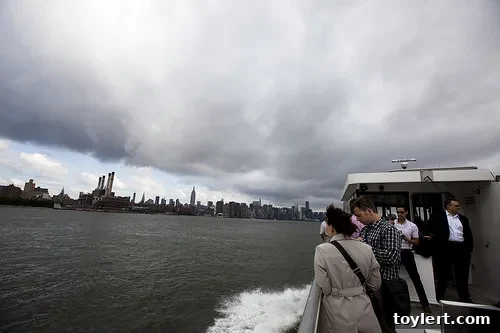
The East River Ferry: An Unexpected Triumph in NYC Transportation
The vibrant urban landscape of New York City is perpetually in motion, demanding innovative and efficient transportation solutions to connect its diverse boroughs and ease the strain on existing infrastructure. While the iconic subway system and extensive bus networks have historically served as the city’s primary transit arteries, there’s a growing recognition of the untapped potential of its waterways. Among the various initiatives to leverage these natural pathways, the East River Ferry service has emerged as a remarkable success story, surpassing all initial expectations and captivating the city’s residents and visitors alike.
Launched with a cautious optimism, the ferry service, designed to link key waterfront neighborhoods in Brooklyn, Queens, and Manhattan, has rapidly evolved from a supplementary transport option into an indispensable component of the city’s daily commute and leisure travel. Early reports, including a detailed analysis by The New York Times, highlighted the extraordinary surge in popularity. Since its launch in late June, the service had already transported nearly 350,000 individuals, a figure that dramatically overshadowed the initial projection of 134,000 riders. This impressive overperformance unequivocally demonstrated a robust public demand and a clear affinity for waterborne transit in the bustling metropolis.
Defying All Projections: A Deep Dive into Ridership Data
The resounding success of the East River Ferry isn’t just anecdotal; it’s firmly substantiated by compelling ridership statistics that paint a picture of overwhelming public acceptance. During weekdays, the service consistently recorded an average of 2,862 passengers, nearly doubling the initial forecast of 1,488. This sustained ridership signifies that the East River Ferry isn’t merely a temporary novelty but a genuine and increasingly vital commuting choice for thousands of New Yorkers. For many, it offers a refreshing alternative to the often-congested subway cars and gridlocked streets, providing a more pleasant and often more predictable journey to work or school.
Perhaps the most astonishing aspect of the ferry’s widespread appeal has been its exceptional performance during weekends. What was originally projected to be a period of lower demand has instead transformed into a major draw, with weekend ridership soaring to an average of almost 4,500 passengers. This figure is an astounding six times higher than the city’s initial estimates, powerfully demonstrating an immense appetite for recreational and leisure travel facilitated by the ferry. We have personally observed the vibrant crowds that gather at the ferry terminals on Saturdays and Sundays, with a significant number of individuals utilizing the service for seamless intra-Brooklyn travel, easily hopping between trendy neighborhoods such as Dumbo, Williamsburg, and Greenpoint to explore local attractions, dining, and cultural events.
The Recipe for Success: Why the East River Ferry Resonates
Several converging factors have contributed to the East River Ferry’s extraordinary triumph. Foremost among these is the unparalleled experience it offers. In stark contrast to the subterranean confines of the subway, the ferry provides passengers with breathtaking panoramic vistas of the iconic Manhattan skyline, majestic bridges, and the serene expanse of the East River itself. This picturesque journey transforms what could be a mundane commute into a truly memorable voyage, offering a refreshing and inspiring start or end to the day. For tourists, it presents an accessible, affordable, and distinctly unique way to sightsee, providing perspectives of the city that are simply unattainable from land.
Beyond the scenic allure, the ferry serves a critical function by providing essential connectivity between rapidly developing waterfront communities in Brooklyn and Queens. Many of these neighborhoods, despite their growth, remain underserved by traditional public transport or require inconvenient multi-transfer journeys. Areas like Long Island City, Greenpoint, and Williamsburg have undergone significant residential and commercial expansion, generating a pressing demand for efficient transit that bypasses the densely populated core of Manhattan. The East River Ferry directly addresses this need, fostering easier access to employment centers, cultural venues, and recreational opportunities across the river, thereby integrating these communities more effectively into the broader city fabric.
The inherent appeal of circumventing traffic congestion and unpredictable subway delays also plays a substantial role in the ferry’s popularity. With ever-increasing road traffic and intermittent disruptions to subway services, the ferry offers a remarkably predictable and often more comfortable alternative. The open-air decks provide an invaluable sense of space and freedom that enclosed transit options simply cannot replicate, making it particularly appealing during favorable weather conditions and for those seeking a more relaxed commute.
Navigating Challenges: The Crucial Interplay of Funding and Capacity
Despite its undeniable success, the East River Ferry service faces significant operational challenges, primarily revolving around securing adequate funding and expanding its capacity to meet burgeoning demand. The current operator is actively engaged in discussions with the city, advocating for increased financial support to expand its fleet of boats and enhance service frequency, especially during peak weekend hours when demand routinely surpasses the available supply. The sheer volume of passengers often results in overcrowded boats and extended waiting times, which, if not addressed, could potentially deter future riders and undermine the service’s reliability.
However, the city’s immediate willingness to inject substantial additional capital into the service appears to be tempered by its broader, long-term strategic objectives. As initially reported, “their ultimate goal is to attract more developers to the east bank of the river.” This statement suggests that while the ferry’s role as a public transportation amenity is recognized, its primary function, from the city’s perspective, might be viewed as a powerful catalyst for waterfront development and economic revitalization, rather than solely a public service requiring extensive ongoing operational subsidies. This difference in perspective creates a delicate balancing act. On one hand, the ferry is a proven public success with a clear and pressing need for expanded service to accommodate rider demand. On the other, the city perceives it as a tool for urban development and investment. Achieving a harmonious solution that effectively addresses both the immediate needs of commuters and the long-term vision for urban planning is absolutely critical for the sustained growth and viability of this vital service. Investing in a larger fleet and improved infrastructure would not only alleviate current overcrowding but also solidify the ferry’s position as a reliable, scalable, and integral transit option for New York City’s ever-growing population.
A Glimpse into the Past, A Vision for the Future: Waterborne Transit in NYC
New York City possesses a rich, though sometimes complex, history with waterborne transit. In the era preceding the construction of grand bridges and intricate tunnel systems, ferries were utterly indispensable, serving as vital links connecting Manhattan to its surrounding boroughs and beyond. However, as modern infrastructure developed, many traditional ferry services gradually declined, largely supplanted by faster and more direct land-based routes. The remarkable resurgence of the East River Ferry, and subsequently the broader NYC Ferry system, signals a significant paradigm shift, demonstrating a renewed and profound appreciation for the city’s magnificent waterways as viable, efficient, and enjoyable transportation corridors.
Previous attempts at establishing widespread ferry services often encountered various hurdles, including prohibitive operational costs, inconsistent passenger demand, and integration challenges with the existing, well-established transit networks. The current success of the East River Ferry stands as a compelling testament to improved strategic planning, meticulous route selection that targets high-growth areas, and a more nuanced understanding of contemporary commuter needs and preferences. Its undeniable popularity strongly suggests that with the right investment in infrastructure and consistent operational support, waterborne transit has the potential to play a much larger and more pivotal role in alleviating the city’s perennial congestion woes. Looking ahead, the potential for further expansion of ferry services across the city is immense. New routes could effectively connect even more communities, thereby fostering broader economic development and enhancing accessibility for countless residents. Moreover, seamlessly integrating ferry services with other modes of transport – offering convenient transfers to subway lines, bus routes, and bicycle-sharing programs – would significantly enhance their overall utility and appeal. The East River Ferry, therefore, serves as a powerful and inspiring case study, demonstrating conclusively that when executed effectively, waterborne transit is not merely a nostalgic nod to the past, but a forward-thinking, sustainable, and essential solution for the future of urban mobility.
Beyond the Commute: Economic and Environmental Ripple Effects
The benefits emanating from a thriving ferry service like the East River Ferry extend far beyond the daily commute, creating profound economic and environmental ripple effects throughout the city. Economically, the ferry has undeniably spurred significant activity and revitalization in the waterfront neighborhoods it serves. By making these areas more accessible and attractive, it contributes to increased property values and fosters a vibrant ecosystem for local businesses. Restaurants, boutiques, and cultural institutions strategically located near ferry stops experience a notable increase in foot traffic, benefiting substantially from both regular commuters and curious weekend explorers. This direct stimulation of local commerce invigorates neighborhood economies and creates new job opportunities.
From an environmental perspective, ferries have the potential to contribute significantly to a greener urban footprint. While current ferry engines still largely rely on fossil fuels, the overall environmental impact per passenger mile, especially when the service successfully encourages a reduction in private car dependency, can be quite beneficial. Furthermore, ongoing advancements in marine propulsion technology are rapidly leading to the development of more fuel-efficient and even entirely electric ferry designs, promising a significantly reduced carbon footprint in the near future. By offering a pleasant, efficient, and aesthetically pleasing alternative to driving, ferries actively help to alleviate road congestion and the associated emissions, thereby contributing directly to cleaner air quality and an improved urban environment for all New Yorkers. The ferry also acts as a unique platform for urban tourism. Visitors gain the opportunity to experience the city from an entirely different and captivating perspective, enjoying unparalleled views of iconic landmarks from the serene waters of the East River. This directly boosts the local tourism economy, supporting numerous jobs and businesses that cater to visitors. Consequently, the East River Ferry functions as a multifaceted asset: a daily conduit for commuters, a delightful escape for weekend adventurers, a powerful engine for economic growth, and a tangible step towards a more sustainable and livable urban future.
Conclusion: A Blueprint for Sustainable Urban Mobility
The remarkable journey of the East River Ferry, transforming from an experimental pilot program into an overwhelmingly successful and beloved transit option, offers invaluable lessons for urban planners and transportation authorities across the globe. Its exceptional capacity to attract nearly three times its projected ridership, particularly highlighted by its phenomenal weekend popularity, unequivocally underscores a significant and often underestimated public demand for enjoyable, efficient, and scenic transportation alternatives within dense urban environments. This success story serves as a powerful testament to the public’s desire for transit options that prioritize both functionality and quality of experience.
While the service continues to navigate the critical imperative of securing additional funding to adequately meet its burgeoning demand and balance this with the city’s broader focus on stimulating waterfront development, its foundational success is beyond dispute. The East River Ferry does more than merely transport people from one point to another; it actively connects disparate communities, breathes new life into local economies, and offers a refreshing and awe-inspiring perspective on the timeless grandeur of New York City. As global cities continue their rapid growth and evolution, innovative and thoughtful solutions like the East River Ferry are not just beneficial; they are absolutely essential. They provide a compelling blueprint for creating sustainable, people-centric urban mobility systems that are truly fit for the challenges and opportunities of the 21st century.
Though Others Failed, New East River Ferries Are a Hit [NY Times]
Photo by Dan Nguyen