Navigating New York City’s Crucial Primary Elections: A Comprehensive Guide to Local Governance
New York City’s political arena is a vibrant ecosystem, constantly shaping the lives of its millions of residents. Every election cycle, particularly the often-underestimated primary elections, stands as a critical juncture, determining the city’s future trajectory. These preliminary contests are where candidates within the same political party compete fiercely for their party’s nomination, ultimately setting the stage for the general election. For any engaged New Yorker, grasping the profound importance of these primaries – from the high-stakes mayoral race to the crucial role of district attorneys – is fundamental to active civic participation.
The Bedrock of Local Democracy: Understanding Why Primary Elections are Paramount
While general elections typically capture widespread media attention and public fervor, primary elections are arguably just as, if not more, influential in the context of local governance. In a metropolis like New York, where one political party frequently holds a dominant position, the primary contest often serves as the de facto decision-maker for who will ultimately represent the party, and consequently, who is most likely to win the general election. These internal party battles compel candidates to clearly articulate their vision for the city, showcase their policy acumen, and forge genuine connections with voters on specific, localized community issues. For the discerning New Yorker, casting a ballot in these primaries represents a direct and potent avenue to influence the direction of their neighborhoods, their respective boroughs, and indeed, the entire metropolitan fabric.
As election seasons unfold, New Yorkers are regularly called to the polls to participate in these foundational contests. The ballot often features not only highly publicized races for mayoral candidates but also vital selections for City Council members, borough presidents, and the critically important role of the District Attorney. Each of these positions carries immense weight, directly impacting city policies, the allocation of vast municipal budgets, and the overall quality of life experienced across the sprawling five boroughs. Voter engagement during primaries is essential for ensuring that the most capable and representative candidates advance to the general election, reflecting the diverse needs and aspirations of the city’s populace.
Deciphering Your Ballot: Key Roles in New York City’s Governance Structure
The Mayor of New York City: Steering the Global Metropolis
The Mayor of New York City holds what is widely considered one of the most powerful municipal positions globally. This chief executive is entrusted with leading an extensive executive branch responsible for managing a colossal bureaucracy, overseeing everything from public safety initiatives and the vast public education system to intricate transportation networks and comprehensive urban planning projects. The individual residing in Gracie Mansion effectively dictates the city’s agenda, meticulously crafts its multi-billion-dollar budget, and serves as its primary spokesperson on both national and international platforms. Primary contests for the mayoral seat are typically characterized by intense competition, attracting candidates from diverse professional backgrounds and proposing a wide spectrum of policy platforms, each aspiring to guide the city’s complex and ever-evolving trajectory. When choosing their preferred candidate to lead this global hub, voters meticulously consider an expansive array of pressing issues, including economic development strategies, the critical challenge of affordable housing, fluctuating crime rates, and vital environmental sustainability initiatives.
The New York City Council: Legislating for Local Communities and Beyond
The New York City Council functions as the legislative arm of the city government, comprised of 51 dedicated members, each elected to represent a distinct and specific district. These council members serve as the direct and often most accessible voice for their constituents, tasked with passing local laws, making crucial land-use decisions that shape neighborhoods, and providing essential oversight of the mayor’s administration. Their legislative and community-focused work directly influences critical areas such as zoning regulations, the provision of essential local services, and the trajectory of neighborhood development projects. If you’re seeking clarity on who your current City Council member is, precisely what district you reside in, or who the candidates are vying for your district’s representation, invaluable resources like the New York City Campaign Finance Board Voter Guide are readily available and indispensable. This comprehensive guide, which is meticulously updated for each election cycle, furnishes detailed information on all candidates and their respective platforms, thereby empowering voters to make well-informed decisions. Furthermore, prominent news organizations such as the Daily News frequently publish highly helpful guides specifically tailored for every district throughout the city, offering precise breakdowns of local candidates and the key issues that are most relevant to specific communities. The City Council’s pivotal role is unequivocally critical in ensuring that local needs are not only acknowledged but also effectively addressed, and that the city’s ongoing growth and development are managed in an equitable and sustainable manner for all residents.
Borough Presidents: Dedicated Advocates for Their Respective Boroughs
While perhaps commanding less visible public attention than the Mayor or the City Council, borough presidents nonetheless perform a profoundly significant advocacy role within New York City’s intricate governance structure. There is an election for borough presidents in each of the city’s five distinct boroughs. These elected officials primarily serve as dedicated advocates for their respective boroughs, offering crucial advice to both the mayor and the City Council on a myriad of borough-specific issues, meticulously reviewing complex land-use proposals, and strategically allocating capital funds to local projects that benefit their communities. They are instrumental in elevating local concerns into the broader city-wide dialogue and in ensuring that each borough receives its equitable share of municipal resources and focused attention. For instance, in a notable past election cycle, State Senator Eric Adams ran unopposed in Brooklyn for the esteemed borough president position. Such a scenario, while less common in general, vividly highlights the unique dynamics of certain political landscapes where a candidate might successfully consolidate significant support early in the electoral process. Even in instances of uncontested races, the role of the borough president remains undeniably vital for effective borough-level planning, community empowerment, and robust representation.
District Attorneys: Upholding Justice and Shaping Legal Landscapes in the Boroughs
Beyond the legislative and executive branches, voters also have the critical responsibility of selecting their District Attorneys. The District Attorney (DA) for each borough stands as an exceptionally influential figure within the local justice system. This powerful office bears the immense responsibility of prosecuting criminal offenses committed within its specific jurisdiction, making pivotal decisions that directly impact countless lives and fundamentally shape the course of justice throughout the city. The DA’s specific approach to law enforcement, their stance on crucial criminal justice reform initiatives, and their vision for community safety can all have profound and far-reaching consequences. Consequently, primary races for this highly significant position are frequently characterized by intense competition and can often delve into complex social, ethical, and legal issues that resonate deeply within the community.
A particularly notable historical example that underscores this gravity is the highly competitive race for Brooklyn District Attorney between Charles J. Hynes and Kenneth P. Thompson. This specific contest garnered substantial attention not solely for its inherent intensity, but also for the profoundly sensitive and often contentious issues it brought to the forefront of public discourse. As The New York Times prominently pointed out, both candidates had been involved in racially charged, controversial cases that had previously and deeply divided the city’s Black and White communities. Such impactful races vividly illustrate the critical importance of the District Attorney’s office and highlight the absolute necessity for voters to meticulously consider candidates’ past track records, their underlying philosophies on justice, and their overarching vision for the legal system within the borough. These particular elections are not merely about partisan political affiliations; they are fundamentally about defining the very fabric of justice, fairness, and equity within a wonderfully diverse and complex metropolis.
Empowering Voters: Navigating Information and Fostering Engagement
In a city as sprawling and ethnically diverse as New York, navigating the intricate electoral landscape can initially appear to be a daunting task. However, an abundance of invaluable resources is readily available to assist voters in making thoroughly informed choices. The New York City Campaign Finance Board (NYCCFB) stands as a paramount source for objective, non-partisan electoral information, consistently offering comprehensive voter guides that meticulously detail candidates’ backgrounds, their articulated positions on key issues, and their financial disclosures. Diligently utilizing these official guides is absolutely crucial for genuinely understanding who is running for office and precisely what they advocate for, allowing voters to move beyond superficial soundbites to engage with substantive policy discussions.
Beyond official governmental guides, local news outlets play an indispensable role in providing in-depth election coverage. Esteemed publications such as the Daily News, The New York Times, and a variety of reputable local blogs offer comprehensive analyses of ongoing races, provide exclusive candidate interviews, and facilitate public debates. These journalistic resources help to provide essential context to the issues at stake and effectively highlight the crucial distinctions between competing candidates. Actively engaging with diverse news sources can furnish a more complete and nuanced picture of the candidates and the potential widespread impact of their proposed policies on the myriad communities residing within the city.
Furthermore, various community organizations and dedicated advocacy groups frequently host town halls, organize candidate forums, and conduct voter education events across the boroughs. These valuable gatherings offer direct, invaluable opportunities for constituents to personally interact with candidates, pose pertinent questions, and openly voice their concerns and priorities. Participating actively in these forums can provide profound insights that static voter guides might not fully capture, thereby allowing for a deeper understanding of a candidate’s sincerity, their responsiveness to constituent needs, and their genuine comprehension of local challenges.
The Ever-Evolving Narrative of New York City’s Political Landscape
New York City’s elections are far more than mere mechanisms to select leaders; they serve as a profound reflection of the city’s enduring soul, its pressing challenges, and its boundless aspirations. Each successive election cycle meticulously writes a new and crucial chapter in the ongoing, dynamic narrative of this global city. From vigorous debates over the critical issue of affordable housing and the complexities of public safety to vital discussions concerning environmental policy and the ongoing pursuit of social justice, the myriad issues championed by candidates are deeply and inextricably intertwined with the daily lives of countless New Yorkers. The outcome of primary elections, in particular, often sets the foundational tone for these broader, city-wide conversations and significantly influences the overall direction and trajectory the city will embark upon.
The democratic process within New York City is undeniably a vibrant, occasionally contentious, but consistently essential component of its unique identity. It fundamentally empowers its residents to actively shape their immediate environment, directly influence policy decisions, and robustly hold their elected officials accountable to the public trust. By staying meticulously informed and actively participating in every stage of the electoral process, New Yorkers ensure that their diverse voices are not only heard but truly heeded, thereby contributing to the development of a government that is genuinely representative and consistently responsive to the complex and evolving needs of its extraordinarily diverse population. As election days approach, whether for mayoral candidates, City Council members, borough presidents, or district attorneys, the urgent call to civic duty resonates powerfully, inviting every eligible voter to play their indispensable part in defining the future of one of the world’s greatest and most influential cities.
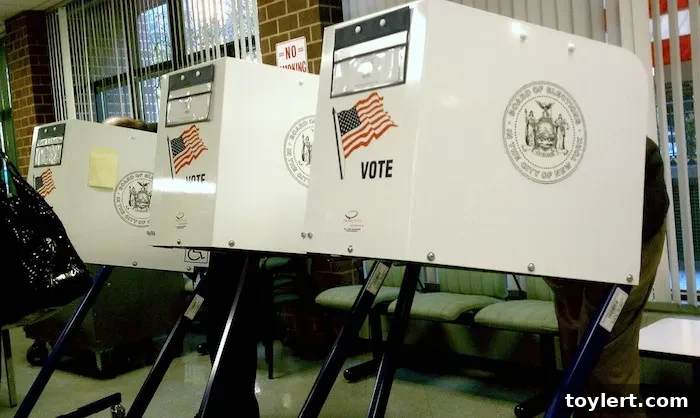
Photo by Charles16e