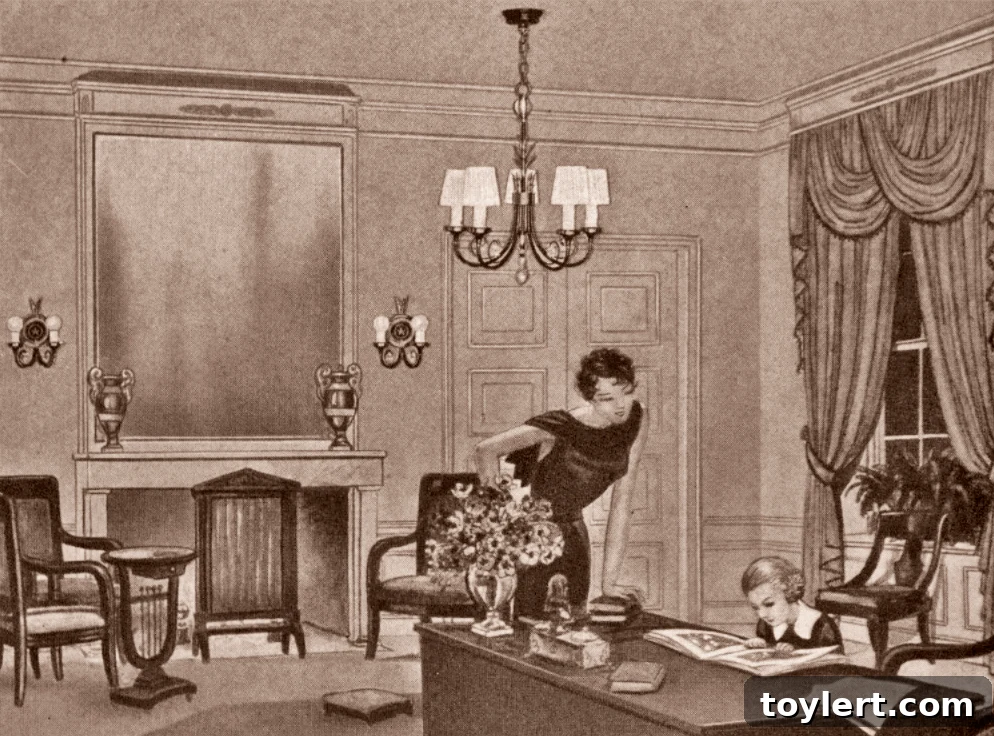
Illuminate Your History: Finding the Perfect Period Ceiling Fixture for 1920s-1930s Homes
Embarking on the journey to find the ideal ceiling fixture for a historic home, particularly one built between the 1920s and 1930s, can be both exciting and challenging. A recent query from a reader perfectly encapsulates this dilemma: they’re searching for a living room ceiling light that authentically complements their circa 1920s-1930s residence. The questions are common and crucial: What specific lighting styles were prevalent during this fascinating interwar period? And, perhaps even more perplexing, should one invest in authentic vintage pieces or opt for high-quality reproductions?
This period, nestled between the roaring twenties and the Great Depression, was a melting pot of architectural and design styles. Homes from this era often showcase a blend of influences, ranging from the intricate details of the Arts and Crafts movement, the elegant simplicity of Colonial Revival, to the bold, geometric forms of Art Deco, and even the nascent stirrings of modernism. Understanding these underlying architectural characteristics of your home is the first, most critical step in selecting period-appropriate lighting. The right fixture doesn’t just provide light; it acts as a historical statement, a functional piece of art that enhances the inherent beauty and integrity of your home’s original design.
Unveiling the Past: What Lighting Styles Defined the 1920s and 1930s?
The 1920s and 1930s saw a significant evolution in home lighting. Electric lighting, while not new, became more widespread and sophisticated, moving beyond simple exposed bulbs to integrated, decorative fixtures. This era witnessed a transition from gaslight-inspired designs to truly electric-centric aesthetics. Here’s a closer look at the dominant styles that influenced ceiling light fixtures during this captivating two-decade span:
Art Deco (1920s-1930s)
Characterized by its lavish ornamentation, geometric patterns, bold lines, and often luxurious materials, Art Deco lighting is instantly recognizable. Think stepped forms, zigzags, chevrons, and sunburst motifs. These designs reflected a sense of optimism, modernity, and opulence. Materials commonly included chrome, nickel, polished brass, and sometimes bronze, often paired with frosted or etched glass, milk glass, or even Bakelite and colored glass accents. Ceiling fixtures for living rooms frequently took the form of flush or semi-flush mounts, sometimes affectionately referred to as “pudding bowl” lights, featuring opaque or acid-etched glass shades that diffused light beautifully. For homes with higher ceilings or grander living spaces, more elaborate Art Deco chandeliers might have been installed. These chandeliers, while still grand, were often more streamlined and less ornate than their Victorian or Edwardian predecessors, focusing on strong geometric lines and a sense of upward movement.
Colonial Revival (Late 19th Century – Mid 20th Century)
Drawing significant inspiration from early American and Georgian architecture, Colonial Revival homes often featured lighting that mimicked historical forms, albeit cleverly adapted for modern electricity. These fixtures typically favored classic shapes, often crafted from solid brass, bronze, or wrought iron. Simpler designs, frequently featuring elegant milk glass shades, clear cut glass elements, or frosted glass globes, were common. For a living room in a Colonial Revival home, you might find a traditional chandelier with multiple arms and candle-style bulbs, or a stately single central pendant. The goal of these fixtures was to evoke a sense of timeless elegance, historical continuity, and understated sophistication, perfectly complementing the architectural details of the home.
Craftsman/Bungalow (Early 20th Century – 1930s)
While the zenith of the American Craftsman movement occurred earlier, its profound influence certainly extended into the 1920s and 30s, especially in bungalow-style homes. Lighting for these residences emphasized natural materials, hand-crafted aesthetics, and a sturdy, honest design philosophy. Popular metals included darkened bronze, hammered copper, and robust iron, often combined with distinctive amber, frosted, or iridescent glass panels, sometimes intricately framed with geometric leading. Living room ceiling fixtures often appeared as semi-flush mounts or simple pendants, providing a warm, inviting glow that underscored the natural wood and handcrafted elements characteristic of Craftsman interiors. Exposed bulbs, while not always historically accurate Edison-style bulbs from the period, aesthetically fit the ethos of transparency and function.
Transitional & Early Modern (Late 1920s – 1930s)
As the decades progressed and the Art Deco influence began to wane slightly, a simpler, less ornate, and more functional style started to emerge, subtly foreshadowing the mid-century modern aesthetic that would dominate later. These transitional fixtures might feature cleaner lines, a reduction in decorative elements, and a greater emphasis on the purity of form and function. Simple glass globes, often spherical or conical in shape, crafted from frosted or milk glass, set within minimal metal frameworks, could be found in homes pushing towards a more contemporary and less adorned look. These designs prioritized diffused, even lighting and a sleek profile, aligning with a growing desire for functional simplicity.
Where to Unearth Historical Lighting Information?
For those homeowners passionate about historical accuracy and eager to ensure their choices are truly period-appropriate, gathering detailed information is an indispensable first step. Here are several excellent resources to aid in your research:
- Architectural History Books & Periodicals: Libraries, university archives, and specialty bookstores offer extensive collections on architectural styles, interior design, and decorative arts of the early 20th century. Look for titles specifically covering American homes, residential architecture, and interior finishes of the 1920s and 1930s. These often include photographs, diagrams, and historical context.
- Original Catalogs from the Era: Vintage mail-order catalogs, such as those from Sears Roebuck, Montgomery Ward, and other national retailers of the period, are invaluable resources. They often featured dozens of pages dedicated to home lighting, showcasing what was commercially available and popular among the general public. Digitized versions of these catalogs are frequently available online through historical archives and university libraries.
- Local Historical Societies & Preservation Organizations: These community-focused groups often possess extensive archives, photo collections, and a wealth of local knowledge. Their staff and volunteers can offer unique insights into regional architectural trends, typical interior finishes, and even provide examples of original fixtures found in local homes from the period.
- Museums and Historic House Tours: Visiting authentically restored homes that date to the 1920s or 1930s can offer direct, tangible inspiration. Pay close attention to how different fixtures were used within specific room settings, considering ceiling height, room scale, and the overall decor. Docents often have deep knowledge of the period and can answer specific questions.
- Specialized Antique Dealers & Architectural Salvage Yards: Beyond just selling items, reputable dealers specializing in architectural salvage or period lighting often possess deep, scholarly knowledge of historical styles, construction methods, and materials. They can be excellent sources of information, advice, and unique finds.
- Online Forums & Blogs for Historic Home Enthusiasts: Communities dedicated to old home renovation and preservation, such as those found on websites like Old House Journal, This Old House, and various dedicated online forums, are goldmines for shared experience, period-specific photographs, and expert advice from fellow enthusiasts and professionals.
The Great Debate: Vintage vs. Reproduction Fixtures
This is arguably the most frequently debated question among historic homeowners and interior designers: should one commit to the pursuit of authentic vintage lighting, or embrace the convenience and advancements of high-quality reproduction fixtures? Both paths offer distinct advantages and disadvantages, and the best choice often depends on individual priorities, budget, and the specific context of your home.
Embracing Authenticity: The Allure of Vintage Lighting
Pros:
- Unmatched Authenticity: A true vintage fixture carries the undeniable patina of time and the genuine charm of originality. It’s a tangible piece of history that connects your home directly to its past.
- Unique Character: Each vintage piece tells a unique story and often exhibits subtle imperfections, wear, and details that add to its character, making it truly one-of-a-kind.
- Potential Investment: Well-preserved, rare, and high-quality original vintage pieces from desirable periods can appreciate in value over time, becoming cherished heirlooms.
- Eco-Friendly & Sustainable: Reusing existing items, rather than manufacturing new ones, is an inherently sustainable and environmentally responsible choice.
Cons:
- Electrical Safety Concerns: Older wiring, often cloth-covered or rubber-insulated, can be brittle, degraded, and poses a significant fire hazard. Vintage fixtures almost always require professional rewiring by a qualified electrician to meet modern safety codes and ensure safe operation. This adds to the overall cost.
- Cost: High-quality, original, and exquisitely preserved vintage fixtures, particularly from sought-after periods like Art Deco, can be significantly more expensive than even high-end reproductions.
- Availability & Condition: Finding the absolute perfect fixture in excellent, undamaged condition can be a time-consuming and often frustrating hunt. Damage, missing original parts, irreversible wear, or previous poor repairs are common issues.
- Installation Challenges: Older fixtures might not conform precisely to modern junction box sizes or mounting hardware, potentially requiring custom adaptations or additional electrical work for safe and secure installation.
- Limited Supply for Matching Sets: If you need multiple matching fixtures for a large living room, an open-plan space, or an entire home, finding them all as authentic vintage pieces in good condition can be nearly impossible.
Modern Convenience Meets Period Style: The Case for Reproduction Lighting
Pros:
- Enhanced Safety & Code Compliance: Reproductions are manufactured with brand-new wiring, modern sockets, and contemporary materials, ensuring they meet all current electrical safety standards and building codes right out of the box.
- Guaranteed Availability & Consistency: You can easily purchase multiple matching fixtures for cohesive design throughout your home, or readily replace a damaged one, making them ideal for larger projects or future needs.
- Durability & Warranty: New reproduction fixtures come with manufacturer warranties, are built to modern construction standards, and are designed for longevity and reliable performance.
- Customization Options: Many reputable reproduction companies offer a range of customizable finishes, different glass types, and various sizes, allowing you to tailor the fixture to your exact specifications and design vision.
- Easier Installation: Designed specifically for modern electrical systems and standard junction boxes, reproductions are generally straightforward and less time-consuming to install.
- Often More Accessible & Affordable: While high-end reproductions can certainly be costly, many options are more budget-friendly and accessible than rare or exceptionally well-preserved vintage pieces.
Cons:
- Lacks Authentic Patina: Reproductions, by their very nature, lack the genuine wear, oxidation, subtle nicks, and the unique “soul” that only comes from decades of existence and use in a vintage piece.
- Can Sometimes Lack Intricate Detail: While many high-quality reproductions are meticulously crafted, lower-quality options might miss the intricate details, precise craftsmanship, or the exact material quality of their historical counterparts.
- Not an “Original”: For historical purists and collectors, a reproduction, no matter how exquisitely made, can never truly replace an original, authentic piece of history.
A Balanced Approach: The Best of Both Worlds
For many historic homeowners, a hybrid approach proves to be the most practical, aesthetically pleasing, and financially sound strategy. Consider strategically using high-quality reproduction fixtures for primary, high-traffic areas like the living room ceiling, where safety, consistent light output, and reliability are absolutely crucial. Then, complement these with carefully selected, rewired vintage pieces for accent lighting, such as elegant wall sconces in a hallway, a unique table lamp in a reading nook, or a smaller pendant in a less frequently used space like a pantry or powder room. This balanced strategy allows you to enjoy the authentic charm and historical connection of vintage finds without compromising on safety or functionality in the most critical areas of your home, creating a layered and truly period-appropriate lighting scheme.
Practical Advice for Selecting Your Living Room Ceiling Fixture
Once you’ve thoroughly pondered the vintage vs. reproduction debate and researched the prevalent styles, it’s time to make a concrete choice. Here are key practical considerations to guide you in selecting the perfect living room ceiling fixture for your 1920s-1930s home:
- Match Your Home’s Specific Architectural Style: This is paramount. Does your home distinctly lean towards Art Deco, Colonial Revival, Craftsman, or perhaps a more transitional style? Ensure the fixture’s aesthetic, materials, and form genuinely align with your home’s unique architectural identity. A sleek, chrome-finished Art Deco fixture would likely look dramatically out of place in a rustic Craftsman bungalow, and vice versa.
- Consider Room Size and Ceiling Height:
- For Lower Ceilings (typically 8-9 feet): Opt for flush or semi-flush mount fixtures. The “pudding bowl” style or close-to-ceiling domes were exceptionally popular in the 1920s and 30s precisely for their ability to provide ample light without encroaching on head space.
- For Higher Ceilings (9 feet or more): A small to medium-sized chandelier or a longer pendant can work beautifully. However, always ensure that the bottom of the fixture hangs at least 7 feet (approximately 2.1 meters) from the floor to avoid impeding movement or obstructing views, especially in central living areas.
- Lighting Functionality and Layering: A living room typically benefits immensely from layered lighting. Your primary ceiling fixture provides the crucial ambient (general) light. Supplement this with additional light sources such as period-appropriate wall sconces for accent and architectural emphasis, floor lamps for task lighting (e.g., reading), and table lamps for mood setting and localized illumination. Ensure your chosen ceiling fixture provides adequate, diffused light without creating harsh glares or shadows. Incorporating dimmer switches for all lighting is an absolute must for creating versatile atmospheres.
- Material and Finish Consistency: Popular metal finishes from the 1920s-1930s included polished brass (sometimes lacquered to prevent tarnishing), satin nickel, bright chrome, and often darker bronze or wrought iron for more traditional or Craftsman styles. Glass types ranged from elegantly frosted, intricately etched, and classic milk glass to amber or colored panels. Strive to match these finishes and glass types to existing original hardware in your home (e.g., door knobs, window latches) or choose finishes that were historically accurate for the specific period and style.
- Establish a Realistic Budget: Set a clear and realistic budget for your lighting project. Vintage pieces can vary wildly in price, from serendipitous finds at flea markets or estate sales to high-end, professionally restored gallery pieces. Reproductions also span a wide price range, from affordable mass-produced items to meticulously crafted, historically accurate replicas.
- Prioritize Professional Installation: Regardless of whether you ultimately choose a vintage or a reproduction fixture, always, without exception, hire a qualified and licensed electrician for installation. This is particularly crucial if new wiring needs to be run, if junction boxes need to be upgraded, or if any alterations to your home’s electrical system are required. For vintage pieces, insist on professional rewiring by a specialist before installation to guarantee safety.
Finding the perfect period-appropriate ceiling fixture for your 1920s-1930s living room is an endeavor that harmoniously combines diligent historical research, a keen aesthetic sensibility, and practical considerations. By thoroughly delving into the rich history of lighting design from this captivating era, carefully weighing the distinct pros and cons of authentic vintage versus high-quality reproduction fixtures, and thoughtfully applying these selection criteria, you can illuminate your historic home with a fixture that not only provides beautiful, functional light but also profoundly honors and enhances its unique architectural heritage. Your living room will not merely be lit; it will tell a compelling story, reflecting the enduring elegance, innovation, and distinct character of a truly bygone era.