The Unseen Legacy: Preserving Flatbush’s Historic African Burial Ground
By Maya Brown, amNY
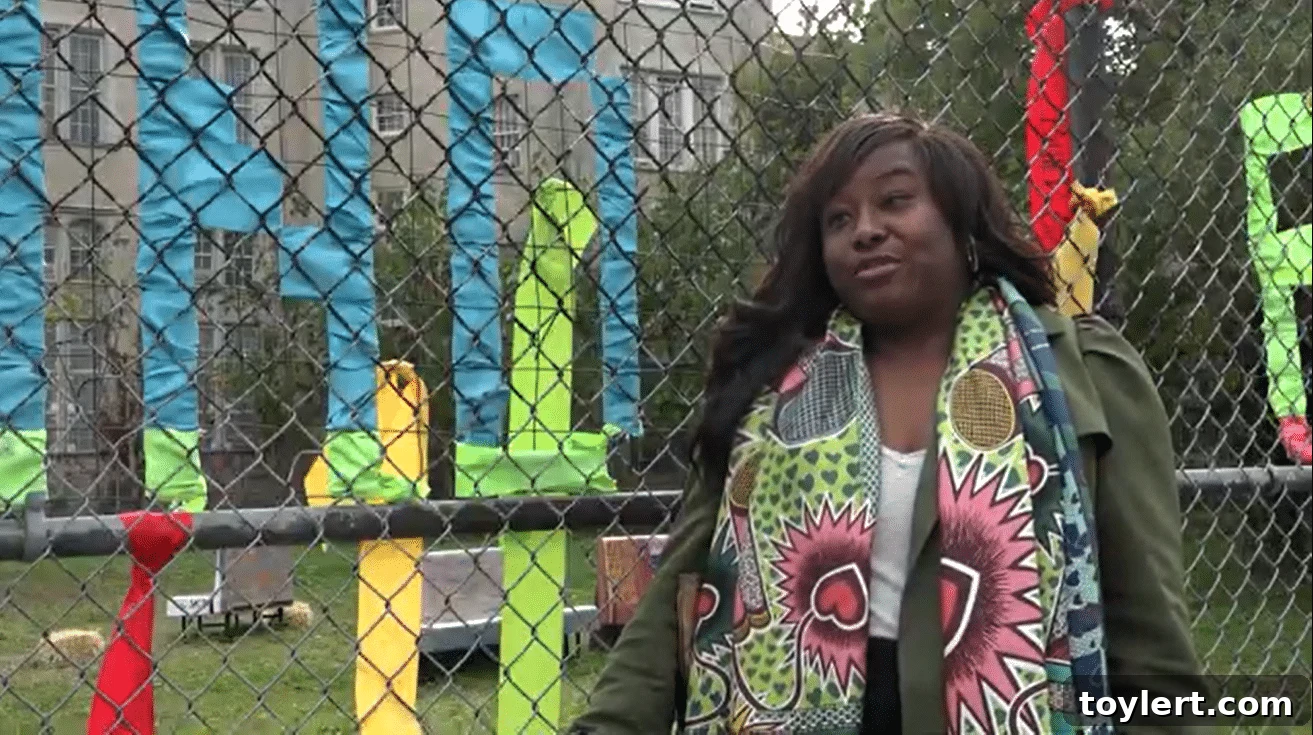
In the vibrant and bustling Brooklyn neighborhood of Flatbush, an unassuming block of dirt and grass on Church Avenue holds a profound and often overlooked history. Shrouded by a chain-link fence, adorned with a patchwork of local art, defiant trespassing warnings, and heartfelt homemade signs, this parcel of land appears, at first glance, like many undeveloped urban spaces. It sits quietly, parallel to a gas station and catty-corner to an old church, a silent sentinel amidst the modern urban sprawl. Yet, for those who know its true story, this seemingly ordinary plot represents a sacred and vital piece of American history: an historic African burial ground.
For decades, the tranquility of this hallowed ground has been threatened by the relentless march of proposed development. But against these formidable odds, a dedicated and passionate group of community activists, known as the Flatbush African Burial Ground Coalition, has risen. They stand as tireless guardians, fighting every step of the way to ensure this sacred site is not only preserved but also properly honored, remembered, and integrated into the fabric of Brooklyn’s diverse heritage.
Unearthing Flatbush’s Hidden Past: The Significance of a Sacred Site
The history of the Flatbush African Burial Ground dates back to the 17th century, during New York’s colonial period when it was known as New Netherland and later, New York. Flatbush, then an agricultural outpost, relied heavily on the forced labor of enslaved Africans. These individuals, brought against their will, built the infrastructure, cultivated the lands, and laid the foundations of what would become modern-day Brooklyn.
For centuries, the burial ground served as the final resting place for enslaved Africans and their descendants, a solemn space where they could be interred with dignity, even in a society that denied them basic human rights. It represents one of the earliest and largest known African burial grounds in New York City, predating many official colonial cemeteries. Its very existence is a testament to the significant but often unacknowledged contributions of African people to the founding and growth of this city.
Over time, as Flatbush evolved from a rural hamlet into a dense urban center, the memory of the burial ground faded from public consciousness. Maps were redrawn, properties changed hands, and the land was earmarked for various uses, often without a full understanding or acknowledgment of its profound historical significance. The site became just another plot of undeveloped land, its invaluable history buried beneath layers of soil and indifference.
The Struggle for Recognition: Decades of Activism and Awareness
The journey to reclaim and preserve the Flatbush African Burial Ground has been a protracted and arduous one, stretching over several decades. The current iteration of the struggle intensified when proposals for commercial and residential developments, including plans for a supermarket with a large parking lot, threatened to obliterate the site entirely. It was these threats that galvanized the local community and brought the historical truth to the forefront.
Through meticulous historical research, the review of old maps, property records, and the invaluable collection of oral histories passed down through generations of Flatbush residents, the community began to piece together the narrative of the burial ground. Scholars, historians, and local residents collaboratively worked to confirm that beneath the seemingly unremarkable earth lay the remains of countless ancestors, a silent testament to a brutal past and enduring resilience.
The discovery and subsequent verification of the burial ground underscored a critical need: the preservation of sacred sites linked to African American history. These sites are not merely historical markers; they are essential touchstones for understanding the systemic racism that shaped American society and for honoring those who suffered under it. They offer vital connections to cultural identity, ancestral heritage, and provide spaces for remembrance, healing, and education.
The Flatbush African Burial Ground Coalition: Guardians of Heritage
At the heart of this preservation effort stands the Flatbush African Burial Ground Coalition. Comprised of dedicated community activists, descendants of enslaved Africans, historians, educators, and concerned citizens, the Coalition has adopted a multi-faceted approach to their mission. Their efforts extend beyond merely preventing development; they seek full recognition, respectful memorialization, and the creation of a vibrant cultural and educational space.
The Coalition’s tactics have been diverse and impactful. They have organized numerous protests, rallies, and demonstrations, bringing public attention to the site and its significance. They have engaged in extensive lobbying efforts, advocating for landmark status and protective legislation at both city and state levels. Through educational campaigns, public forums, and cultural events, they work tirelessly to inform the broader community about the history of the burial ground and its profound importance to American heritage.
One of the Coalition’s primary goals is to ensure that any future plans for the site respect its sacred nature. They envision a memorial that is not only aesthetically beautiful but also historically accurate and culturally appropriate. This includes archaeological studies conducted with utmost sensitivity, ensuring that any remains are handled with reverence and dignity, consistent with the traditions of African and African American communities.
Challenges and Triumphs on the Path to Preservation
The journey of the Flatbush African Burial Ground Coalition has been fraught with challenges. They have faced persistent pressure from developers, bureaucratic hurdles, and, at times, a lack of awareness or prioritization from public officials. The legal battles have been complex, requiring sustained effort and resources to counter development proposals and push for official recognition.
Despite these obstacles, the Coalition has achieved significant victories. Their unwavering advocacy has successfully delayed or halted multiple development projects, buying precious time for further historical research and public engagement. They have raised the profile of the Flatbush African Burial Ground, transforming it from a forgotten plot into a symbol of community resilience and a critical point of discussion in urban planning and historical preservation circles.
Perhaps their most impactful triumph has been fostering a sense of collective responsibility within the Flatbush community and beyond. The vibrant artwork and homemade signs on the fence are not merely decorations; they are expressions of solidarity, personal narratives, and a shared commitment to honoring the ancestors. They signify a community united in its determination to protect this sacred space from further desecration.
A Vision for the Future: Honoring Ancestors and Educating Generations
Looking ahead, the Flatbush African Burial Ground Coalition has a clear and compelling vision for the site. They advocate for its permanent preservation as a designated historic landmark, free from the threat of commercial development. Their ultimate goal is the establishment of a memorial and cultural center that serves multiple purposes:
- A Place of Remembrance: A tranquil and respectful space where the community can mourn, reflect, and honor the ancestors buried there.
- An Educational Resource: A center for learning about the history of slavery in Brooklyn and New York, the lives of enslaved Africans, and the ongoing struggle for racial justice and equality.
- A Cultural Hub: A venue for cultural events, ceremonies, and gatherings that celebrate African and African American heritage, fostering pride and identity.
- A Green Oasis: A peaceful green space within the dense urban environment, offering solace and connection to nature for all residents.
The significance of preserving the Flatbush African Burial Ground extends far beyond its physical boundaries. It is a critical step in rectifying historical injustices, acknowledging the full breadth of American history, and ensuring that the legacies of those who built this nation under duress are never again forgotten. By honoring this site, Brooklyn not only pays respect to its past but also reaffirms its commitment to a more inclusive and just future.
The chain-link fence on Church Avenue remains, for now, a poignant symbol of an ongoing struggle. It is a boundary between the visible present and the invisible past, between commerce and sacred memory. But thanks to the relentless dedication of the Flatbush African Burial Ground Coalition, it is also a beacon of hope—a testament to the power of community, remembrance, and the unwavering belief that some stories, once buried, are destined to rise again and demand their rightful place in history.
Supporting the efforts of the Flatbush African Burial Ground Coalition is not just about preserving a parcel of land; it is about preserving history, humanity, and the dignity of those who came before us, ensuring their stories resonate for generations to come.