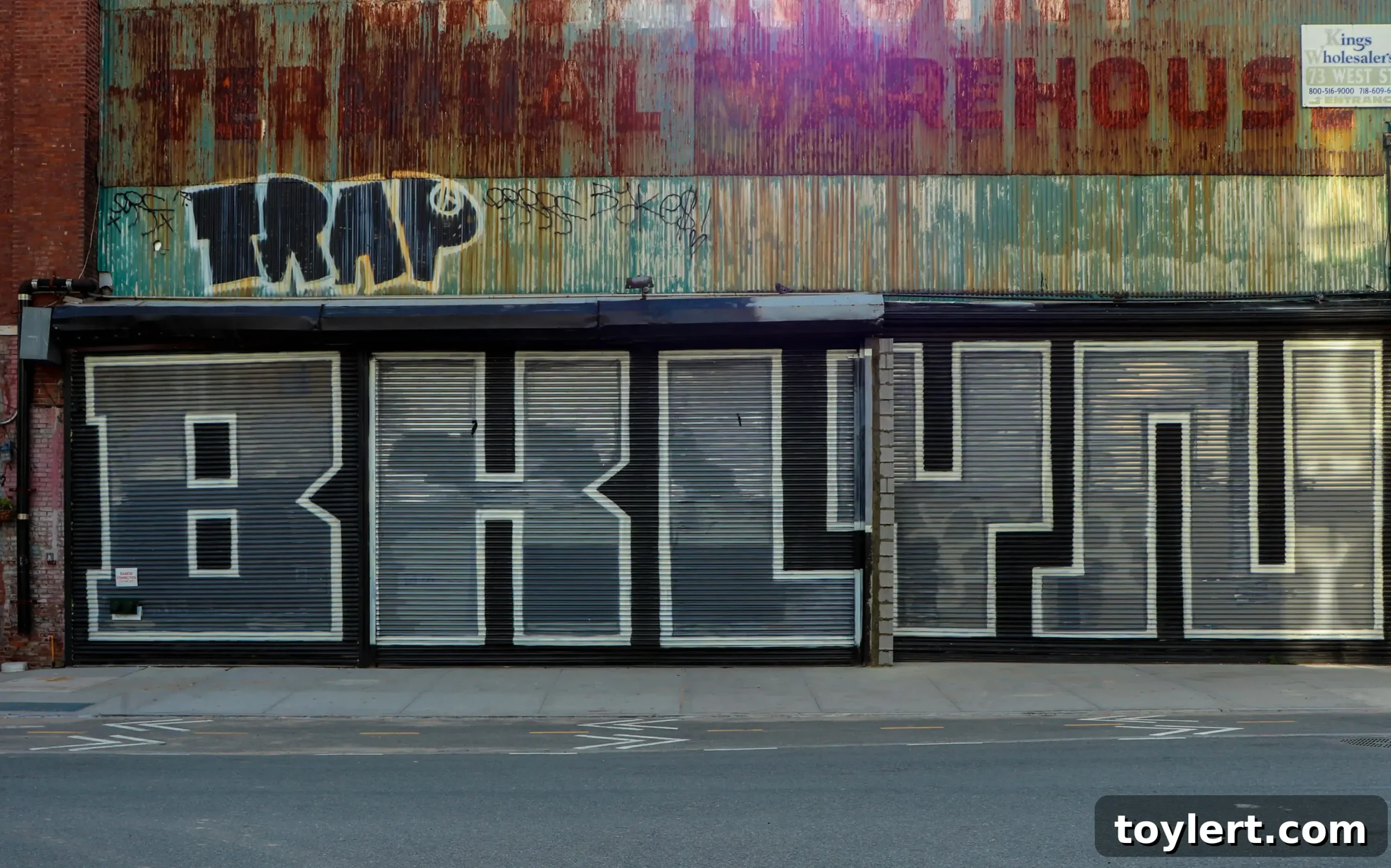
Brooklyn’s Pulse: Navigating Urban Change, Development, and Community Life
Brooklyn, a borough renowned for its vibrant communities, historic architecture, and dynamic urban landscape, is constantly evolving. From critical infrastructure projects and significant real estate developments to local community triumphs and ongoing debates, the pulse of Brooklyn is ever-present. This compilation delves into recent happenings that shape the borough’s future, offering insights into its growth, challenges, and enduring charm.
Stay informed with the latest updates affecting Brooklynites, encompassing everything from major transit overhauls to the preservation of cherished local landmarks and the emergence of new community hubs. We explore how these stories intertwine to paint a comprehensive picture of life and progress in one of New York City’s most beloved boroughs.
In the News: Shaping Brooklyn’s Future
The urban tapestry of Brooklyn is continually woven with threads of development, policy changes, and community action. Here’s a closer look at some of the most significant news items recently impacting the borough, offering deeper context to the headlines and their potential ramifications for residents and the broader urban environment.
De Blasio Promises ‘War Room Dynamic’ to Solve L Train Fiasco [NYP]
The impending L Train shutdown has long cast a shadow over Brooklyn commuters and businesses, threatening to disrupt daily life for hundreds of thousands. In response to widespread concern, Mayor Bill de Blasio pledged a “war room dynamic” approach, signaling a heightened sense of urgency and collaboration among city agencies to mitigate the inevitable chaos. This proactive stance aimed to explore every possible alternative and solution, from enhanced bus services to ferry options, ensuring that affected communities in Williamsburg and Bushwick could maintain vital connections to Manhattan. The mayor’s commitment underscored the critical importance of this transportation artery and the severe economic and social impacts its prolonged closure could entail, pushing for innovative urban planning strategies to minimize commuter hardship.
What Lies Beneath the Brooklyn Heights Promenade? [Eagle]
The iconic Brooklyn Heights Promenade, offering breathtaking views of the Manhattan skyline, the Brooklyn Bridge, and the Statue of Liberty, is not just a scenic walkway but a critical piece of infrastructure with a complex history. Beneath its paved surface lies the triple-cantilever structure supporting the Brooklyn-Queens Expressway (BQE). Recent discussions have brought to light the structural integrity and future of this vital section of the BQE, sparking debates about potential rehabilitation or even replacement options that could significantly impact the promenade itself. Exploring “what lies beneath” delves into the engineering marvels and challenges of urban infrastructure, highlighting the delicate balance between preserving historical landmarks, ensuring public safety, and accommodating modern transportation needs for Brooklyn and beyond. This ongoing conversation is crucial for residents, historians, and urban planners alike.
Former Landmarks Chair Meenakshi Srinivasan Joins City Law Firm [Crain’s]
The transition of Meenakshi Srinivasan, former chair of the Landmarks Preservation Commission (LPC), to a prominent city law firm specializing in real estate matters marks a significant move within New York City’s development landscape. Srinivasan’s extensive experience at the helm of the LPC, where she played a pivotal role in protecting and regulating the city’s historic districts and buildings, offers invaluable expertise to her new role. Her understanding of preservation laws, zoning regulations, and the intricate process of navigating approvals for historic properties will undoubtedly influence future development projects across the five boroughs, including Brooklyn’s many historically protected neighborhoods. This move highlights the crucial intersection of historic preservation, urban development, and legal expertise in shaping the physical fabric of New York City.
Protests Continue Outside Flatbush Nail Salon Where Brawl Occurred [Gothamist]
A contentious incident involving a physical altercation at a Flatbush nail salon sparked ongoing community protests, drawing attention to issues of customer service, business practices, and racial dynamics within local establishments. The sustained demonstrations underscored the power of community voice and the demand for accountability and fair treatment. This event served as a stark reminder of the social tensions that can simmer beneath the surface of urban life and the importance of transparent resolution processes. For the Flatbush community, a neighborhood rich in diversity and local businesses, these protests highlighted broader conversations about equitable interactions and the role of local establishments in fostering a respectful and inclusive environment for all residents.
The L Train Shutdown Might Not Be So Terrible [CityLab]
Contrary to initial alarmist predictions, some analyses, like the one presented by CityLab, began to suggest that the L Train shutdown might not be as catastrophic as widely feared. This perspective often pointed to the potential for innovation and adaptability, both from city planners and from the resilient commuters themselves. Discussions centered on effective alternative transportation plans, the possibility of a temporary shift in commuter habits, and the capacity of existing infrastructure to absorb additional ridership. This more optimistic outlook encouraged a focus on problem-solving and leveraging technology to create efficient alternatives, rather than succumbing to despair. It emphasized the power of urban resilience and strategic planning to overcome significant logistical challenges, offering a glimmer of hope amidst the projected disruption to Brooklyn’s vital transit link.
City Breaks Ground on 1,000-Seat School in East New York [BK Reader]
The groundbreaking for a new 1,000-seat school in East New York signifies a monumental investment in the future of one of Brooklyn’s burgeoning neighborhoods. This substantial development addresses the growing demand for quality educational facilities, driven by an increasing population and ongoing residential growth in the area. Such projects are vital for fostering community development, providing essential resources for families, and ensuring that children have access to modern learning environments. The new school represents more than just bricks and mortar; it symbolizes hope, opportunity, and the city’s commitment to supporting the educational needs of all its residents, particularly in areas like East New York that are experiencing significant revitalization and expansion.
Would a Park Slope Food Co-op Expansion Hurt Other NYC Cooperatives? [amNY]
The proposed expansion of the Park Slope Food Co-op, a Brooklyn institution and a beacon of cooperative economics, sparked a crucial debate regarding its potential impact on smaller, independent food cooperatives and local businesses across NYC. While expansion could offer increased accessibility and benefits to a wider member base, concerns were raised about market saturation and the competitive pressures it might exert on other community-led initiatives. This discussion delves into the philosophy of cooperative models, the dynamics of local economies, and the challenges of growth within a collaborative framework. It underscores the importance of fostering a diverse and resilient local food system that supports both large-scale success stories and emerging grassroots efforts, ensuring that Brooklyn’s unique character remains intact.
First-of-Its-Kind ‘Freelancers Hub’ to Open in Dumbo [Patch]
Dumbo, a neighborhood synonymous with creativity, innovation, and technological advancement, welcomed a groundbreaking “Freelancers Hub,” a first-of-its-kind initiative designed to support the growing gig economy. This dedicated space offers vital resources, networking opportunities, and a collaborative environment for independent workers who form a significant part of Brooklyn’s modern workforce. The hub recognizes the unique challenges faced by freelancers, from securing benefits to finding stable workspaces, and aims to provide a robust support system. Its establishment in Dumbo further solidifies the neighborhood’s reputation as a magnet for creative professionals and entrepreneurs, fostering a vibrant ecosystem where innovation can thrive and the future of work is actively shaped.
Irving Langer’s E&M Associates Planning 70-Unit Project in Flatbush [TRD]
E&M Associates, under the leadership of Irving Langer, unveiled plans for a substantial 70-unit residential project in Flatbush, signaling continued strong interest in the neighborhood’s development potential. This project represents another significant step in the ongoing transformation of Flatbush, bringing new housing options to a diverse and expanding community. As Brooklyn continues to experience high demand for residential units, developments like this play a crucial role in accommodating population growth and revitalizing urban areas. It also sparks discussions about housing affordability, neighborhood character, and the balance between new construction and existing community fabric, key considerations for the future of Flatbush and Brooklyn at large.
Mixed-Use Rezoning Proposed for Eight Lots in Coney Island [NYY]
Coney Island, famous for its iconic boardwalk and amusement parks, is on the cusp of further transformation with a proposed mixed-use rezoning for eight significant lots. This initiative aims to blend residential, commercial, and perhaps even cultural spaces, fostering a more vibrant and year-round community beyond its traditional seasonal appeal. Such rezoning efforts are critical for unlocking new development potential, attracting investment, and creating diverse urban environments. For Coney Island, it means balancing its cherished history and entertainment legacy with the demands of modern urban living, potentially bringing new residents, businesses, and amenities to this unique waterfront neighborhood in Brooklyn.
Brownstoner’s Featured Insights: Exploring Brooklyn’s Unique Character
At Brownstoner, we pride ourselves on chronicling the distinctive architectural heritage, captivating interior designs, and dynamic real estate market that define Brooklyn. Our in-depth stories provide a window into the borough’s soul, from painstaking home renovations to explorations of its most historic properties and luxurious living spaces. Discover some of our recent highlights that capture the essence of Brooklyn life.
-
An 1870s Wood Frame House in Greenpoint Sheds Its Aluminum Siding
Delve into the remarkable transformation of an 1870s wood-frame house in Greenpoint, as it undergoes a meticulous facade restoration that peels back layers of history. This story celebrates the intricate process of removing unsightly aluminum siding to reveal and lovingly restore the original architectural details beneath. It’s a testament to the dedication of homeowners and preservationists committed to reclaiming Brooklyn’s authentic charm. The project highlights the challenges and rewards of preserving historic homes, showcasing how careful renovation can not only enhance curb appeal but also contribute significantly to the character and value of Greenpoint’s streetscapes, blending historical accuracy with modern durability through materials like Hardieplank cement board.
-
Would You Pay $2.995 Million for This Sprawling Brooklyn Heights Co-op Close to the Promenade?
Step inside a truly magnificent, sprawling co-op located at 62 Montague Street in the prestigious Brooklyn Heights, just moments away from the iconic Promenade. This feature invites readers to explore the luxurious living offered by such a prime piece of Brooklyn real estate. With its generous proportions, classic pre-war details, and unparalleled location, the property embodies the quintessential Brooklyn Heights lifestyle. The article poses the question of value for such a significant investment, delving into what makes this type of high-end cooperative desirable – from breathtaking views to access to one of the city’s most charming and historic neighborhoods. It offers a glimpse into the upper echelons of Brooklyn’s competitive housing market.
-
Inside One of Brooklyn Heights’ Oldest Houses, 24 Middagh, and Its Mysterious Past
Uncover the secrets and fascinating history of 24 Middagh Street, one of Brooklyn Heights’ truly oldest surviving houses. This deep dive into the Federal-style wood-frame dwelling explores its unique architectural significance and the many stories embedded within its walls. From its early origins to its evolution through centuries, the article pieces together the “mysterious past” of a home that has witnessed the transformation of Brooklyn Heights firsthand. It’s a captivating journey into urban archeology, highlighting the efforts to preserve such irreplaceable landmarks and offering a rare look at the domestic life of early Brooklyn. This piece is a must-read for history buffs and architecture enthusiasts keen on understanding the foundational layers of this esteemed neighborhood.