East 25th Street Historic District Achieves Landmark Status in Flatbush, Brooklyn
In a momentous decision that underscores the enduring value of New York City’s architectural heritage, the Landmarks Preservation Commission (LPC) has officially designated the East 25th Street Historic District in Flatbush, Brooklyn, as a protected landmark. The unanimous vote, cast during this morning’s session, marks a significant victory for local residents and preservation advocates alike, ensuring the long-term safeguarding of this exceptionally well-preserved block.
The designation comes as no surprise to those who followed the process, particularly after a previous public hearing held on September 22. During that hearing, a groundswell of support emerged, with both community members and commissioners expressing overwhelming admiration for the district’s distinctive character and its profound historical significance. The collective enthusiasm foreshadowed the affirmative outcome, culminating in today’s definitive declaration.
A Testament to Undiscovered Beauty: Commissioner’s Perspective
“This is thrilling,” remarked Commissioner Fred Bland, his voice reflecting the palpable excitement shared by his colleagues. Bland’s sentiments went beyond the immediate celebration of East 25th Street, touching upon a broader vision for urban preservation. “If such a deserving historic district can be lurking somehow out of our reach or out of our understanding, there must be others out there as well that we should be looking to. It gives me great hope that more districts can be designated.”
Commissioner Bland’s insightful comment highlights a crucial aspect of the LPC’s ongoing mission: the proactive identification and protection of New York City’s hidden architectural gems. His words serve as both a commendation for the East 25th Street community’s efforts and a rallying cry for continued vigilance in preserving the city’s diverse historical fabric. It reinforces the idea that urban landscapes, even those seemingly well-charted, still hold treasures waiting to be recognized and protected for future generations.
The Journey to Landmark Status: A Collaborative Effort
The formal designation of a historic district by the LPC is a meticulous and often lengthy process, requiring extensive research, community engagement, and expert evaluation. For the East 25th Street Historic District, this journey was characterized by strong local advocacy and a clear demonstration of the block’s unparalleled integrity and historical value. The path began with the initial proposal, followed by thorough architectural surveys documenting every contributing structure.
A critical phase in this process was the aforementioned public hearing. These hearings provide an invaluable platform for residents, property owners, and concerned citizens to voice their perspectives, sharing personal stories and professional insights that underscore the proposed district’s importance. At the September 22nd hearing, a remarkable consensus emerged, with numerous speakers eloquently articulating why East 25th Street merited this esteemed protection. Their collective testimony painted a vivid picture of a cohesive, architecturally rich neighborhood deeply cherished by its inhabitants.
Commissioners, tasked with impartially evaluating each proposal, carefully weigh all submitted evidence, including historical documentation, architectural analysis, and community sentiment. The unanimous nature of today’s vote for East 25th Street speaks volumes about the compelling case presented by the district’s advocates and the undeniable quality of its built environment. It represents a successful collaboration between a passionate community and a dedicated preservation body.
Unveiling East 25th Street’s Architectural Grandeur
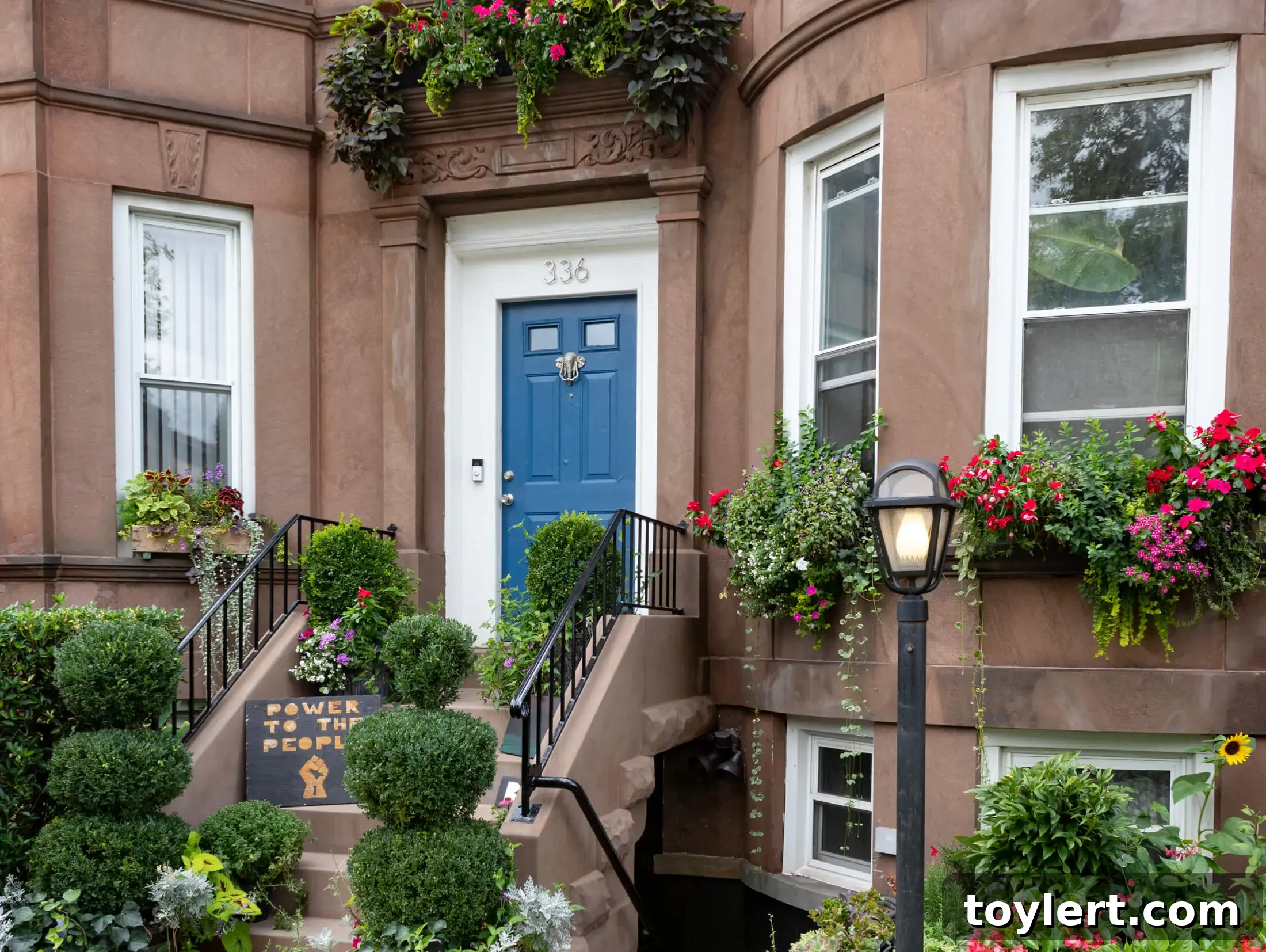
The East 25th Street Historic District stands as a quintessential example of Flatbush’s early 20th-century residential development, a period characterized by burgeoning prosperity and a desire for distinctive, family-friendly homes. The district primarily comprises elegant two-and-a-half-story brick and stone row houses, alongside a collection of detached and semi-detached residences, all meticulously crafted between roughly 1905 and 1920.
A Symphony of Styles
Architecturally, the street offers a captivating blend of styles popular during the Progressive Era. Elements of the Neo-Federal and Colonial Revival styles are prominently featured, evident in the symmetrical facades, classical porticos, and sophisticated brickwork. Many homes boast intricate details such as finely carved limestone lintels, decorative cornices, and elegant stoops that invite a closer look. Some structures also exhibit characteristics of the Arts and Crafts movement, with their emphasis on natural materials, handcrafted elements, and a sense of sturdy, honest construction. The consistent scale and material palette across the block contribute to a remarkably harmonious streetscape, evoking a strong sense of period charm and architectural cohesion.
Craftsmanship and Detail
Beyond the broader styles, it is the exquisite craftsmanship that truly sets East 25th Street apart. Details like stained-glass transoms, original wooden window frames, and decorative metalwork on fences and gates speak to a bygone era of meticulous construction. Mature trees lining the street further enhance its picturesque quality, creating a leafy canopy that shades the sidewalks and accentuates the architectural rhythm of the block. This careful attention to detail, combined with the residents’ evident pride in maintaining their properties, ensures the district retains its pristine historical character.
A Glimpse into Brooklyn’s Enduring Legacy
Flatbush, one of Brooklyn’s oldest towns, boasts a rich history stretching back to the Dutch colonial era. By the late 19th and early 20th centuries, as Brooklyn rapidly urbanized and transportation networks expanded, areas like Flatbush transformed from rural villages into thriving residential communities. The development of subway lines made it feasible for middle-class families to seek homes further from Manhattan’s bustle, leading to the construction of grand avenues and charming side streets like East 25th Street.
The homes within the new historic district tell a story of this suburbanization, reflecting the aspirations and lifestyles of the families who settled here. They represent a period of significant growth and architectural innovation in Brooklyn, contributing to the borough’s distinct identity. Preserving these structures means preserving a tangible link to Brooklyn’s developmental past, offering invaluable insights into its social, economic, and architectural evolution.
The Enduring Impact of Landmark Designation
The official landmarking of the East 25th Street Historic District brings with it a host of significant implications, primarily centered on the preservation of its unique character and the empowerment of its community.
Protection for Future Generations
Foremost among the benefits is the robust legal protection afforded to the district. This designation means that any proposed exterior alterations, new construction, or demolition within the district will require a permit from the LPC. This rigorous review process ensures that changes are appropriate, maintain the historical integrity of the buildings, and are compatible with the district’s overall aesthetic. This effectively shields the area from unsympathetic development and ensures that its architectural beauty remains intact for centuries to come.
Boosting Community Pride and Value
Beyond legal protections, landmark status often fosters a heightened sense of community pride and identity. Residents of historic districts become active stewards of their heritage, often collaborating to maintain their neighborhood’s distinctive appeal. While direct financial benefits can vary, many studies suggest that historic designation can stabilize or even increase property values in the long term, as the protected character of the neighborhood becomes a desirable amenity. It also promotes heritage tourism, drawing visitors who appreciate architectural beauty and historical narratives, indirectly benefiting local businesses.
Navigating the Future: Responsibilities and Opportunities
While the benefits are substantial, landmarking also introduces certain responsibilities for property owners. Renovations or exterior modifications, even minor ones, must adhere to LPC guidelines, which can sometimes involve additional planning and costs. However, these requirements are ultimately designed to uphold the collective value of the district. Furthermore, owners of landmarked properties may become eligible for various preservation grants or tax credits, providing financial assistance for appropriate restoration work and transforming a perceived burden into an opportunity for investment in their historic homes.
A Model for Urban Preservation
The designation of the East 25th Street Historic District serves as an inspiring example of effective urban preservation. It showcases how dedicated community action, combined with the strategic oversight of bodies like the LPC, can lead to the successful protection of vital architectural and historical resources. As New York City continues to evolve, the lessons learned from East 25th Street will undoubtedly inform future preservation efforts.
Commissioner Bland’s remarks about other potential “undiscovered” districts resonate deeply in a city as historically rich and diverse as New York. It encourages residents across the five boroughs to look at their own neighborhoods with fresh eyes, to recognize the historical significance of their surroundings, and to engage with the preservation process. The East 25th Street victory is not just about one street in Flatbush; it’s about validating the collective memory and architectural beauty that defines so much of our urban experience.
Conclusion: Preserving Our Collective Story
The unanimous vote to landmark the East 25th Street Historic District is a resounding affirmation of New York City’s commitment to its past and its future. It safeguards a unique collection of homes that tell a compelling story of Brooklyn’s development, architectural prowess, and community spirit. This achievement ensures that the beauty and historical depth of Flatbush will continue to inspire and educate generations to come.
In an ever-changing urban landscape, the act of preserving historic districts like East 25th Street is more than just protecting old buildings; it is about preserving the very essence of a community, the tangible reminders of human endeavor, and the rich tapestry of stories that make New York City truly exceptional. This designation stands as a beacon of hope and a testament to the power of collective action in honoring our shared heritage.