Editor’s note: This story originally ran in 2015 and has been updated. You can read the previous post here.
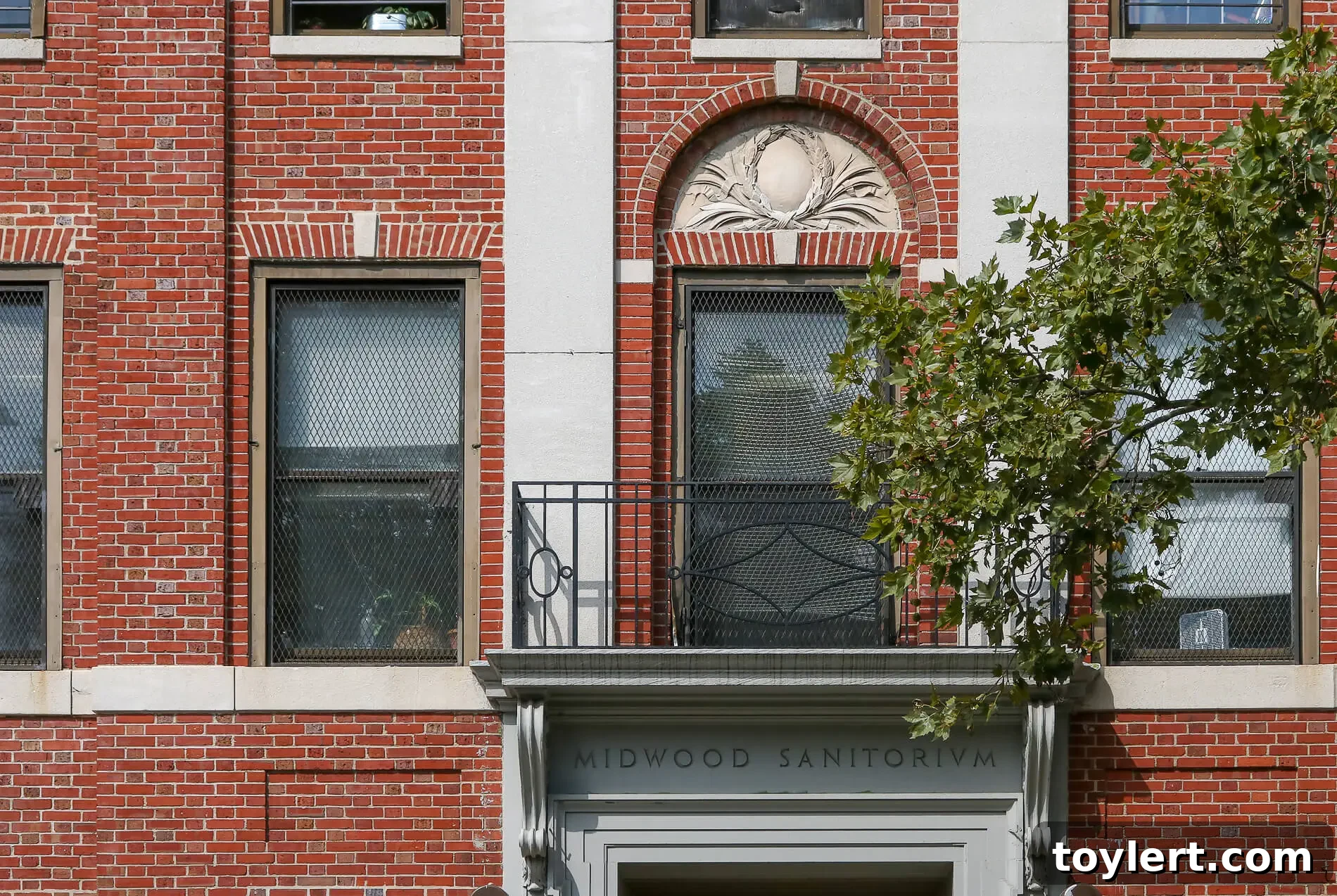
The Enduring Legacy of Midwood Sanatorium: A Glimpse into Brooklyn’s Past at 19 Winthrop Street
Nestled in what is now the vibrant and historically rich neighborhood of Prospect Lefferts Gardens, the site at 19 Winthrop Street holds a unique place in Brooklyn’s architectural and medical history. This address was once home to the pioneering Midwood Sanatorium, a four-story wood frame structure that opened its doors in 1907. More than just a building, the sanatorium represents a fascinating chapter in the evolution of healthcare and urban development in early 20th-century Brooklyn, offering insights into the era’s medical practices, community needs, and the dynamic transformation of its surrounding landscape.
The Genesis of a Neighborhood Hospital: 19 Winthrop Street’s Transformation
The establishment of Midwood Sanatorium at 19 Winthrop Street, conveniently located near the bustling intersection of Flatbush Avenue, was a testament to the growing healthcare demands of a rapidly expanding Brooklyn. Unlike purpose-built, large-scale medical facilities, the first Midwood Sanatorium was a testament to resourcefulness and community spirit. It embodied a common practice of its time: a private house repurposed as a sanatorium. This adaptive reuse was not merely an economic decision but often reflected the intimate, home-like atmosphere many smaller private hospitals aimed to cultivate, distinguishing themselves from larger, more institutional public hospitals.
Period maps from the early 1900s vividly illustrate the dramatic change this area has undergone. At the time of the sanatorium’s opening, the grounds of 19 Winthrop Street were considerably expansive. The buildings that now define the streetscape along Flatbush Avenue, forming a dense urban corridor, simply weren’t there. This relative openness allowed the sanatorium a degree of tranquility and space often sought after for patient recovery, a stark contrast to the dense urban environment that would eventually envelop it. The decision to establish a sanatorium in this location speaks volumes about the prevailing understanding of health and healing, where fresh air and a peaceful environment were considered integral to convalescence.
An Architectural Snapshot: The Four-Story Wood Frame Structure
The Midwood Sanatorium’s physical manifestation as a four-story wood frame building was typical of residential construction during the late 19th and early 20th centuries in Brooklyn. Such structures were often grand private residences before their conversion. The transition from a private home to a medical facility would have involved significant internal modifications to accommodate patient rooms, operating theaters, reception areas, and staff quarters. These adaptations might have included adding specialized plumbing for sterilization, creating larger, more accessible doorways, and perhaps installing rudimentary elevators or service lifts. Yet, the exterior likely retained much of its original residential charm, blending seamlessly, if somewhat unusually, into the emerging suburban fabric of Northern Flatbush.
The choice of wood as a primary construction material for a medical facility, while common for homes, highlights the period’s architectural trends and the budget constraints often faced by smaller private institutions. Despite potential fire risks associated with wood, it offered flexibility for modifications and was a readily available and cost-effective material. This particular architectural style, often characterized by intricate detailing, bay windows, and spacious verandas, could have contributed to the sanatorium’s inviting, non-clinical aesthetic, which was perceived as beneficial for patient morale and recovery.
Northern Flatbush: A Landscape in Flux and the Rise of Prospect Lefferts Gardens
The opening of Midwood Sanatorium coincided with a pivotal period of urban development in Northern Flatbush. The area, then largely known simply as Flatbush, was in the throes of transformation, shedding its pastoral, quasi-rural past for a decidedly urban future. Only blocks away, the meticulously planned and architecturally cohesive row houses of Lefferts Manor were actively being constructed. This juxtaposition of the developing residential enclave of Lefferts Manor, with its aspirations of refined suburban living, and the emergence of a private medical facility like Midwood Sanatorium, paints a vivid picture of a community grappling with growth and modernization.
The demand for a private hospital in this nascent urban landscape was significant. As new residents flocked to areas like Lefferts Manor, drawn by the promise of well-appointed homes and convenient access to Manhattan via the burgeoning subway lines, the need for localized, high-quality medical care became pressing. Public hospitals, while essential, were often overcrowded and lacked the personalized attention that a private institution could offer. The Midwood Sanatorium was therefore perfectly positioned to cater to the burgeoning middle and upper-middle classes settling in the area, providing a crucial health service that aligned with the rising expectations of urban living.
Healthcare in Early 20th Century Brooklyn: The Role of Private Sanatoriums
The early 20th century marked a period of rapid advancement and specialization in medicine. While public health initiatives were gaining traction, private sanatoriums played a vital role in the healthcare ecosystem, offering specialized care, greater privacy, and often more individualized attention than larger public institutions. Sanatoriums, in particular, were often associated with the treatment of tuberculosis, a prevalent and debilitating disease of the era, emphasizing rest, fresh air, and good nutrition as key components of recovery. While the exact specialties of Midwood Sanatorium aren’t detailed, its designation as a “sanatorium” suggests a focus on extended care, convalescence, or the management of chronic conditions, perhaps even beyond general surgical and medical cases.
These private facilities also reflected the social stratification of healthcare. For those who could afford it, a private sanatorium offered a more comfortable and dignified experience, away from the perceived depersonalization of larger hospitals. Doctors often had private practices connected to these smaller institutions, allowing for continuity of care and a more direct relationship with their patients. The Midwood Sanatorium thus served as a crucial hub for medical services for the residents of Flatbush and the emerging Prospect Lefferts Gardens, contributing significantly to the well-being of the community during a period of intense demographic and medical change.
Life at the Sanatorium: Imagining Daily Operations and Patient Care
While specific daily operations of Midwood Sanatorium are lost to time, we can infer much about life within its walls based on contemporary medical practices. Patients likely resided in individual or semi-private rooms, cared for by a dedicated staff of nurses and doctors. The emphasis on hygiene would have been paramount, with strict protocols for sterilization and cleanliness. Recovering patients might have spent time in communal parlors or on porches, benefiting from the therapeutic effects of fresh air and sunlight, consistent with sanatorium philosophy.
Medical treatments of the era, though primitive by today’s standards, would have included basic surgical procedures, medication (often compounded on-site), and a strong focus on nursing care. The presence of doctors, nurses, and support staff would have created a bustling, yet hopefully calming, environment. The sanatorium would have been more than just a place for physical healing; it would have been a social institution, a place where patients and their families sought solace, hope, and professional medical intervention during times of illness.
The Evolving Face of 19 Winthrop Street and Prospect Lefferts Gardens Today
The story of Midwood Sanatorium at 19 Winthrop Street is one of perpetual evolution, mirroring the very neighborhood it served. While the original sanatorium may no longer exist in its initial form, or may have transitioned through various stages of use, its historical footprint remains significant. Many such early 20th-century private hospitals either expanded, merged with larger health systems, or were eventually repurposed as residential buildings, community centers, or other commercial enterprises, reflecting the changing landscape of healthcare delivery and urban needs.
Today, Prospect Lefferts Gardens stands as one of Brooklyn’s most cherished historic districts, renowned for its beautifully preserved architecture, tree-lined streets, and strong community identity. The legacy of places like the Midwood Sanatorium is interwoven into the very fabric of the neighborhood, reminding residents and visitors of its dynamic past. The transformation from expansive grounds to dense urban blocks along Flatbush Avenue, and the continued preservation of areas like Lefferts Manor, highlight a continuous narrative of growth, adaptation, and an enduring appreciation for history.
Conclusion: A Historical Echo in Modern Brooklyn
The Midwood Sanatorium at 19 Winthrop Street serves as a powerful historical marker, illustrating a critical period in Brooklyn’s development. It speaks to the ingenuity of repurposing existing structures, the urgent need for local medical facilities in a burgeoning metropolis, and the specific healthcare philosophies of the early 20th century. Its story is not just about a building but about a community’s growth, its challenges, and its commitment to providing essential services to its residents. As Prospect Lefferts Gardens continues to thrive, the memory of institutions like Midwood Sanatorium offers a profound connection to the past, reminding us of the layers of history beneath our feet and the enduring spirit of innovation that has shaped this remarkable Brooklyn neighborhood.