Williamsburg’s Waterfront at a Crossroads: Unpacking the Controversial Floating Power Plant Proposal
A contentious proposal to permanently anchor a massive floating power plant in the waters directly opposite the vibrant Williamsburg waterfront has been reignited, sparking immediate and fervent opposition from local communities. Developer SEF Industries is once again pushing forward with plans that could dramatically reshape the visual and environmental landscape of this rapidly evolving Brooklyn neighborhood, situated perilously close to iconic ultra-luxury residential complexes like Domino, Oosten, and the popular Kedem Winery.
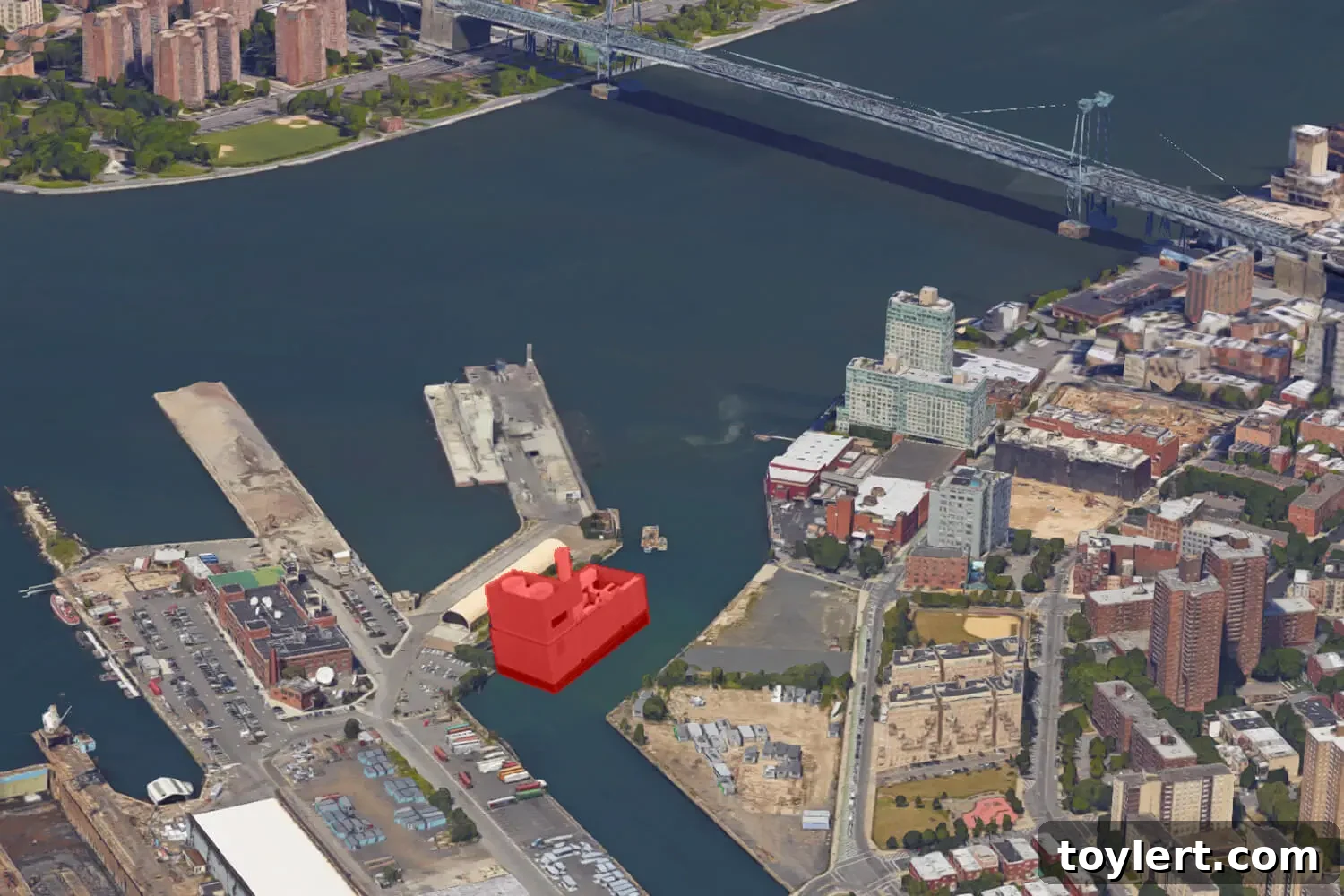
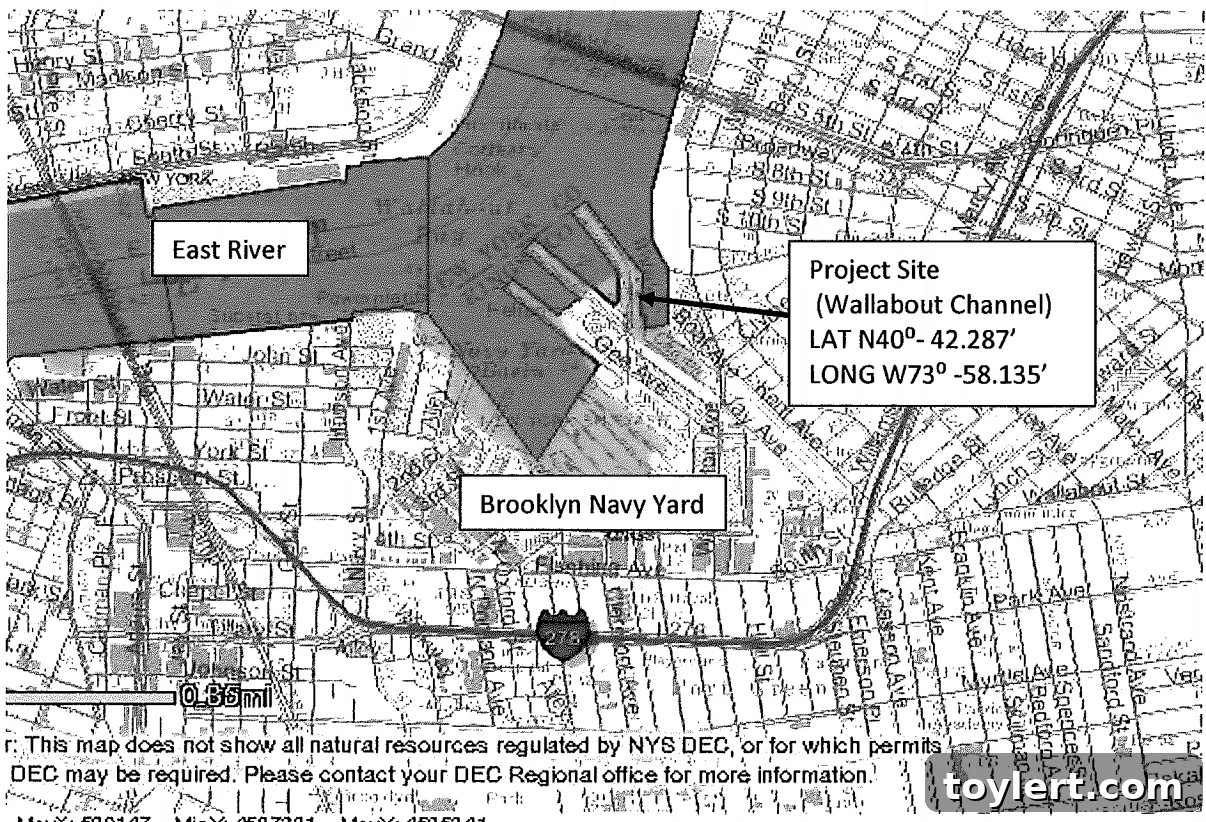
The core of the proposal involves mooring a colossal structure – a six-story, 100-foot-wide, and 230-foot-long floating electrical generation facility – within the Wallabout Federal Navigation Channel, specifically south of Division Avenue. This strategic location places it squarely in the sightlines of thousands of residents and visitors, raising serious questions about aesthetics, environmental impact, and community engagement. SEF Industries champions its natural gas-powered generator as a vital addition to Brooklyn’s energy infrastructure, asserting it would significantly enhance the grid’s resilience, particularly during emergencies or periods of peak demand. The company highlights its direct connection to the existing power grid, its robust capacity to store a three-day supply of fuel, and the logistical advantage of convenient refueling via marine vessels directly from the water.
Indeed, the proposed plant boasts an impressive generation capacity, capable of producing 79 megawatts of electricity. To put this into perspective, 79 megawatts is enough energy to power approximately 79,000 homes, underscoring its potential as a significant contributor to the region’s energy supply. However, the sheer scale of the project and its proximity to residential areas and popular public spaces have ignited a passionate debate, pitting the developer’s vision for energy security against the community’s concerns for environmental health, quality of life, and the preservation of their cherished waterfront.
The Developer’s Case: Enhancing Grid Resiliency and Energy Security
SEF Industries frames its floating power plant as a proactive solution to address critical vulnerabilities within Brooklyn’s aging and overstressed power grid. In a densely populated urban environment like New York City, reliable electricity is not merely a convenience but a fundamental necessity for public safety, economic stability, and daily life. The developer’s primary argument centers on grid resiliency – the ability of the electrical system to withstand and recover from disruptive events, whether natural disasters, extreme weather, or infrastructure failures.
Key Benefits Proposed by SEF Industries:
- Emergency Power Source: The plant is designed to serve as a crucial backup during widespread outages, providing a localized and rapidly deployable power source that can prevent extended blackouts in critical areas of Brooklyn.
- Direct Grid Integration: Its proposed direct connection to the existing power infrastructure means it can seamlessly feed electricity into the local grid, enhancing stability and reducing strain during peak demand periods.
- Fuel Independence and Storage: With a three-day on-board fuel supply, the plant offers a degree of energy independence, ensuring continuous operation even if external fuel supply lines are temporarily disrupted.
- Logistical Efficiency: The ability to refuel by boat from the water simplifies logistics, avoiding the need for extensive land-based infrastructure for fuel transport and storage, which could otherwise burden local roads and communities.
- Rapid Deployment and Mobility: While intended for permanent mooring, the modular nature of a floating plant theoretically allows for quicker deployment compared to traditional land-based facilities, and potentially even relocation if future energy needs shift.
Proponents also suggest that such innovative solutions are necessary as New York City continues to grow, placing ever-increasing demands on its energy network. They argue that traditional land-based power plants face significant challenges in securing suitable sites within the urban fabric, making waterfront locations, particularly federal navigation channels, viable alternatives for essential infrastructure projects.
Community Outcry: Environmental, Aesthetic, and Safety Concerns
Despite the developer’s assurances of enhanced energy security, the proposal has been met with a formidable wave of opposition from local residents, community groups, and elected officials. The concerns are multi-faceted, ranging from environmental degradation to potential safety hazards and a perceived betrayal of the community’s vision for its waterfront.
Primary Points of Contention:
- Environmental Impact:
- Air Quality: A natural gas-powered plant, even with modern emission controls, will contribute to air pollution. Residents are deeply worried about increased emissions of nitrogen oxides, particulate matter, and greenhouse gases, which can exacerbate respiratory illnesses and contribute to climate change. The cumulative impact on a densely populated urban area is a major concern.
- Water Quality and Marine Life: The operation of a large industrial facility in the Wallabout Channel raises fears about potential water pollution, thermal discharge affecting aquatic ecosystems, and disruption to local marine life habitats.
- Noise Pollution: Continuous operation of generators, even if muffled, can create significant noise pollution that would impact nearby residential areas, public parks, and businesses.
- Aesthetic Blight and Waterfront Access:
- Visual Impact: A six-story, 230-foot-long industrial facility is viewed as an eyesore that would irrevocably mar the scenic waterfront views currently enjoyed by residents and visitors to Domino Park, the East River Ferry, and numerous waterfront properties.
- 阻碍公共通道 (Obstructed Public Access): While not directly blocking physical access, its presence is seen as an industrial encroachment on a revitalized waterfront that has increasingly become a public amenity.
- Safety Risks:
- Fuel Storage and Transport: Storing significant quantities of natural gas on a floating structure in a federal navigation channel raises serious questions about the risks of spills, leaks, or even explosions. The continuous transport of fuel by barge also introduces potential hazards.
- Maritime Traffic: The presence of a stationary industrial vessel in a busy waterway could pose risks to other maritime traffic, including commercial and recreational boats.
- Infrastructure Vulnerability: While designed for resiliency, a floating plant is still an exposed structure potentially vulnerable to extreme weather events or other unforeseen incidents.
- Community Engagement and Transparency:
- Lack of Consultation: Opponents argue that the process has lacked sufficient transparency and genuine community consultation, leading to a feeling that the project is being imposed on the neighborhood without adequate consideration for local concerns.
- “Environmental Justice” Concerns: Many residents feel that economically vulnerable communities are often disproportionately burdened with polluting infrastructure, and they are wary of this project contributing to such inequities.
- Alternative Energy Solutions:
- Investment in Renewables: Critics strongly advocate for investments in cleaner, renewable energy sources such as solar, offshore wind, and battery storage solutions, rather than perpetuating reliance on fossil fuels. They argue that this project represents a step backward in the fight against climate change.
- Decentralized Solutions: Emphasis on microgrids, rooftop solar, and demand-side management is seen as a more sustainable path to grid resiliency.
A History of Controversy: The Recurring Debate Over Waterfront Industrialization
The “revival” of this proposal hints at a deeper, long-standing tension over the use of New York City’s waterfronts. For decades, these areas served primarily as industrial hubs, but changing economic landscapes and a growing appreciation for urban green spaces have led to massive revitalization efforts. Neighborhoods like Williamsburg have transformed from gritty industrial zones into highly desirable residential and recreational destinations. Projects like Domino Park exemplify this shift, offering public access and stunning views where once stood derelict factories.
The floating power plant proposal, therefore, represents a collision of these two visions: the necessity of maintaining critical industrial infrastructure for a functioning metropolis versus the desire for cleaner, greener, and more accessible public waterfronts. This isn’t the first time such an idea has surfaced, and the persistent local opposition suggests that communities are increasingly unwilling to compromise on environmental quality and aesthetic preservation, especially in areas that have fought hard to reclaim their waterfronts for public enjoyment.
The Path Forward: Regulatory Hurdles and Public Advocacy
The journey for SEF Industries is far from over. Such a significant infrastructure project requires a complex web of permits and approvals from various governmental agencies at federal, state, and city levels. These typically include environmental impact assessments, reviews by the U.S. Army Corps of Engineers (due to its location in a federal navigation channel), state environmental departments, and local planning commissions. Each of these stages presents opportunities for public comment, legal challenges, and rigorous scrutiny.
Local community boards, environmental advocacy groups, and neighborhood associations are already mobilizing, preparing for extended public hearings and regulatory battles. Their efforts will likely focus on demanding comprehensive environmental reviews, exploring viable renewable energy alternatives, and ensuring that community voices are not only heard but genuinely integrated into the decision-making process. The outcome of this debate will not only determine the fate of a single power plant but could also set a precedent for how New York City balances its critical energy needs with its ambitious environmental goals and the evolving aspirations of its waterfront communities.
As the conversation continues, the Williamsburg waterfront remains a focal point for the broader discussion about sustainable urban development, energy policy, and the right of communities to shape their own environments. The tension between industrial necessity and urban amenity underscores the complex challenges facing cities like New York as they strive to power their future responsibly.