Pioneering Modular Construction: The Vision Behind Brooklyn’s B2 Tower
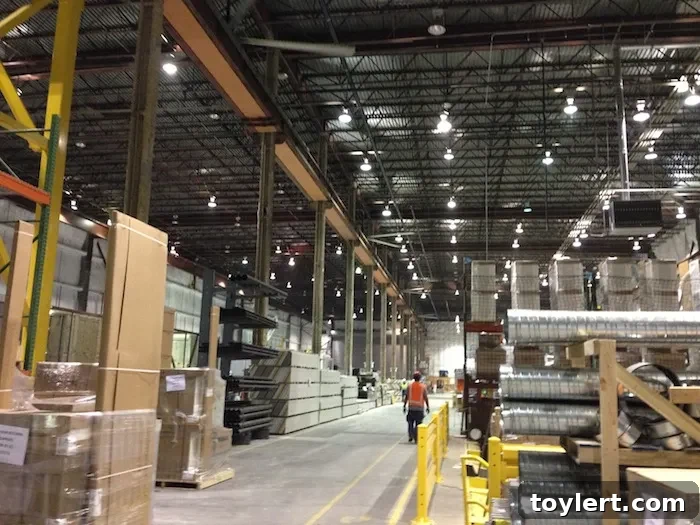
The landscape of urban development is continuously evolving, driven by the relentless pursuit of efficiency, sustainability, and innovative housing solutions. In the heart of Brooklyn, a pioneering project once captured the attention of the world: the B2 tower at Atlantic Yards (now Pacific Park). This ambitious endeavor, spearheaded by Forest City Ratner (FCR), marked a pivotal moment in construction history, aiming to become the tallest modular building globally upon its completion. Our recent tour of FCR’s state-of-the-art modular apartment factory at the historic Brooklyn Navy Yard offered a firsthand look at the future of building – a future where homes are meticulously crafted off-site before being seamlessly integrated into a towering urban structure.
The Dawn of Modular: Crafting Homes at the Navy Yard Factory
Stepping into Forest City Ratner’s modular factory was like entering a highly sophisticated assembly line, but for entire apartment units. Here, away from the unpredictable elements and logistical challenges of a traditional construction site, trained professionals were diligently constructing complete living spaces. Representatives from FCR detailed their plans to begin shipping these fully constructed modules, designed to be stacked like precision-engineered LEGO bricks, to the Atlantic Yards site. This groundbreaking approach promised to revolutionize the construction industry, offering a glimpse into how urban living spaces could be delivered with unprecedented speed and precision.
Modular construction is far more than just prefabrication; it’s a systematic process where building components, or even entire rooms and apartments, are manufactured in a controlled factory environment. This method ensures consistent quality, significantly reduces waste, and enhances worker safety. Each module, complete with plumbing, electrical wiring, finishes, and fixtures, is rigorously inspected before leaving the factory. This meticulous attention to detail at every stage of production translates into a superior final product, minimizing the need for extensive on-site adjustments. The Navy Yard factory became a crucible of innovation, where the vision for Brooklyn’s skyline was being assembled piece by carefully crafted piece, ready for its grand debut next to the iconic Barclays Center.
B2 Tower: A Landmark of Modern Urban Living
The B2 tower, officially known as 461 Dean Street, was destined to be more than just another residential building; it was a testament to architectural ambition and engineering ingenuity. Rising 32 stories high, this remarkable structure was planned to house 363 residential units, redefining the skyline adjacent to the bustling Barclays Center. At the time of its conception and construction, B2 was poised to claim the prestigious title of the world’s tallest modular building. This audacious claim underscored the project’s significance, not just for Brooklyn, but for the global construction community. It served as a powerful proof of concept for the viability and scalability of modular technology in high-rise applications.
The strategic location of B2 within the Atlantic Yards (now Pacific Park) development was integral to its purpose. As part of a larger master-planned community, the tower aimed to contribute significantly to the area’s revitalization, offering diverse housing options and fostering a vibrant urban environment. The design of B2 meticulously considered both aesthetics and functionality, demonstrating that modular construction does not compromise on architectural appeal or inhabitant comfort. Instead, it offers a streamlined path to delivering modern, high-quality urban residences that meet the evolving demands of city dwellers, all while setting new benchmarks for construction efficiency.
Unlocking Efficiency: Speed, Cost, and Quality in Modular Construction
One of the most compelling advantages touted by Forest City Ratner for their modular approach was the dramatic improvement in construction timelines and cost-effectiveness. The estimated completion of B2 by December 2014 was significantly faster than conventional construction methods, which typically would have required an additional 18 to 20 months for a project of similar scale. This accelerated schedule was a direct result of the parallel processes inherent in modular building: site preparation occurs simultaneously with module fabrication, drastically cutting down the overall project duration. The factory environment also mitigates common delays caused by adverse weather conditions or on-site logistical complexities, ensuring a more predictable and controlled construction flow.
Beyond speed, the economic benefits were equally impressive. FCR projected that building B2 using modular units would be approximately 10 percent cheaper than traditional residential construction. This cost saving stems from several factors, including reduced labor costs on-site, bulk purchasing of materials for factory production, and minimized waste. Furthermore, the company expressed optimism that these savings and efficiencies would only grow with subsequent modular developments within the expansive Atlantic Yards project. As they refined their processes, optimized supply chains, and gained further expertise, the potential for even greater cost reductions and faster delivery times became a cornerstone of their long-term vision. This innovative financial model presented a powerful argument for wider adoption of modular construction across the industry, particularly in markets grappling with high construction costs and housing shortages.
Addressing the Housing Challenge: Affordability and Mixed-Income Communities
Beyond its technological innovation, the B2 tower was also designed with a crucial social imperative: to provide much-needed housing diversity and affordability in one of New York City’s most dynamic neighborhoods. The tower featured a thoughtful 50-50 mix of market-rate and affordable housing units. This balanced approach aimed to create a truly inclusive community, catering to a wide spectrum of residents and fostering socio-economic diversity within the building itself. A significant portion of the affordable units, specifically 20 percent, was designated as low-income housing, further solidifying the project’s commitment to addressing critical housing needs. This allocation was particularly impactful in a high-demand urban area like Brooklyn, where securing accessible and affordable living spaces remains a persistent challenge for many families and individuals.
The ability of modular construction to deliver housing units more quickly and, potentially, more affordably, positions it as a vital tool in confronting urban housing crises. By streamlining the building process and reducing overheads, modular methods can accelerate the provision of quality, mixed-income housing. The B2 tower stood as a prominent example of how advanced construction techniques could be harnessed not only for profit but also for public good, creating sustainable and equitable communities. Its model demonstrated a pathway for future developments to integrate both economic viability and social responsibility, offering a beacon of hope for urban planners and residents alike seeking solutions to complex housing dilemmas.
The Enduring Legacy and Future of Modular Construction
The construction of the B2 tower, completed in 2014, marked a significant milestone, cementing its place in architectural and engineering history. While the journey of modular construction, particularly for high-rise buildings, has seen its share of challenges and learning curves, the pioneering spirit behind B2 provided invaluable insights for the industry. The project illuminated the logistical complexities of transporting large modules through urban environments and the intricate coordination required to stack them precisely. Yet, it also underscored the immense potential for prefabrication to enhance construction quality, reduce environmental impact through waste minimization, and improve site safety by shifting much of the work to controlled factory settings.
The success, and even the lessons learned, from B2 have had a lasting impact, inspiring subsequent generations of modular projects globally. It served as a proof-of-concept that high-rise modular buildings are not only feasible but can also be architecturally impressive and economically advantageous. The future of construction continues to lean towards industrialized processes, digitalization, and sustainable practices, all of which are embodied by modular building. The B2 tower in Brooklyn stands as a powerful symbol of this ongoing transformation, a testament to human ingenuity and a foundational step towards a more efficient, affordable, and sustainable way of building our cities.