by Kirstyn Brendlen, Brooklyn Paper
Fort Greene Park Overhaul Gets Green Light as Lawsuit Dismissed: A New Chapter for Brooklyn’s Beloved Green Space
After years of anticipation and a significant legal challenge, a Manhattan judge last week dismissed a lawsuit that had temporarily stalled the city’s ambitious plan to overhaul Fort Greene Park. This pivotal decision paves the way for the long-awaited project to finally commence, with work potentially beginning as early as next year. The dismissal marks a crucial turning point for the iconic Brooklyn park, signaling the end of uncertainty and the beginning of a transformative era.
The lawsuit, filed in 2023 by local advocacy group Friends of Fort Greene Park against the city’s Department of Parks and Recreation, raised critical concerns regarding the proposed renovation. At the heart of their claims was the assertion that the agency had failed to adequately assess the environmental impact of the project. Furthermore, the group contended that the overhaul, as planned, would infringe upon the community’s fundamental rights to “clean air and water, and a healthful environment”—rights explicitly guaranteed by New York State’s robust Green Amendment. This legal battle underscored the growing importance of environmental protection in urban development projects and the power of community groups to hold authorities accountable.
The Vision for Fort Greene Park: Enhancing a Historic Urban Oasis
The proposed overhaul for Fort Greene Park is a comprehensive initiative designed to rejuvenate and modernize one of Brooklyn’s most cherished green spaces. While specific details of the multi-phase project are extensive, the overarching goal is to enhance the park’s ecological health, improve accessibility, and upgrade its recreational amenities, ensuring it continues to serve as a vibrant community hub for generations to come. This renovation is not merely a cosmetic update; it’s a strategic investment in the park’s future, addressing decades of wear and tear, and adapting to the evolving needs of its diverse visitors.
Key Areas of Improvement Expected Include:
- Infrastructure Modernization: This will likely involve extensive repairs and upgrades to pathways, drainage systems, and retaining walls, which are crucial for the park’s structural integrity and visitor safety. Improved stormwater management, for instance, can mitigate erosion and protect the park’s plant life.
- Ecological Restoration: Plans often incorporate significant tree planting initiatives, the introduction of native flora, and the enhancement of existing green spaces to bolster biodiversity and improve air quality. Protecting and expanding the urban tree canopy is a key element in climate resilience.
- Accessibility Enhancements: Upgrades to ensure compliance with ADA (Americans with Disabilities Act) standards are paramount. This includes creating more accessible pathways, ramps, and entrances, making the park welcoming for people of all mobility levels.
- Recreational Facility Upgrades: Modernization of playgrounds, sports courts, and seating areas will provide improved and safer spaces for children and adults to engage in various activities. These improvements aim to cater to diverse age groups and interests, fostering active lifestyles.
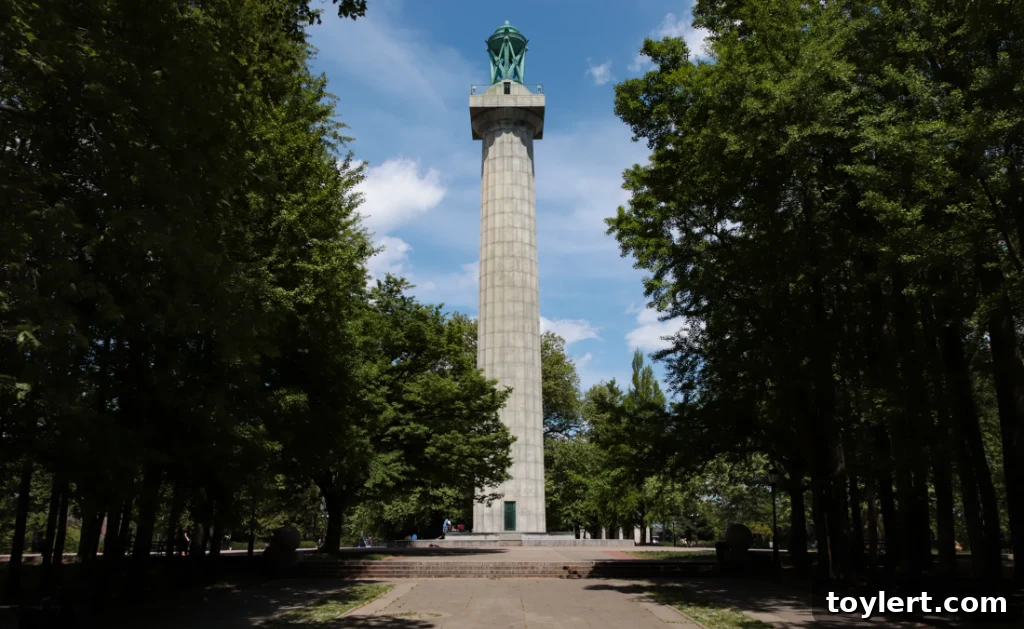
- Historic Preservation: Fort Greene Park is home to the majestic Prison Ship Martyrs’ Monument, a beacon of historical significance. The overhaul will also likely include thoughtful restoration work on this and other historical elements, ensuring the park’s rich heritage is preserved while integrating modern amenities.
- Sustainable Practices: Integration of sustainable design principles, such as energy-efficient lighting, water-saving irrigation systems, and environmentally friendly materials, is a core component of contemporary park renovation projects, aiming to reduce the park’s ecological footprint.
These improvements are critical for a park that serves hundreds of thousands of Brooklynites annually, from morning joggers and dog walkers to families enjoying picnics and cultural events. The vision is to create a more resilient, beautiful, and functional park that stands as a testament to thoughtful urban planning and community investment.
The Legal Challenge: Environmental Rights and Community Advocacy
The lawsuit brought by the Friends of Fort Greene Park highlighted a growing trend in urban development: the increasing scrutiny over environmental impact assessments and the powerful role of environmental amendments. The group’s primary contention was that the city had not sufficiently evaluated the project’s potential harm to the local ecosystem, including concerns about tree removal and its effects on air and water quality within the park’s vicinity.
Understanding New York’s Green Amendment:
New York State’s Green Amendment, ratified in 2021, is a groundbreaking constitutional provision that guarantees all New Yorkers the right to clean air and water, and a healthful environment. This amendment provides a powerful legal tool for citizens and advocacy groups to challenge projects that they believe threaten these fundamental environmental rights. Its inclusion in the state constitution elevates environmental protection to a higher legal standard, requiring governmental entities to consider environmental impacts more stringently in their decision-making processes.
The Friends of Fort Greene Park leveraged this amendment, arguing that the proposed park overhaul, without proper environmental safeguards and assessments, could potentially degrade the very environmental quality it sought to improve in other aspects. Such lawsuits are crucial for ensuring transparency and accountability, pushing city agencies to adhere to the highest environmental standards and engage thoroughly with community concerns.
The Judge’s Ruling and Its Implications:
The Manhattan judge’s decision to dismiss the lawsuit indicates that, from a legal standpoint, the city’s Department of Parks and Recreation was deemed to have followed the necessary environmental review procedures and did not violate the specific tenets of the Green Amendment as presented in court. While the detailed reasoning behind the dismissal has not been fully elaborated in the initial reports, such rulings typically suggest that the court found the agency’s environmental impact statements (EIS) to be adequate, or that the plaintiffs failed to provide sufficient evidence to prove a direct violation of their environmental rights under the law. This outcome allows the long-delayed project to move forward, but it also underscores the enduring importance of community oversight in public works.
The Path Forward: Project Implementation and Community Engagement
With the legal hurdles cleared, the Fort Greene Park overhaul is poised to transition from planning to execution. The expectation is that physical work on the park could commence as early as next year, marking a significant milestone after years of public discussion, planning, and now, legal resolution. The city’s Department of Parks and Recreation will now proceed with finalizing contracts and logistical arrangements, preparing for the initial phases of construction.
Anticipated Benefits for the Community:
- Improved Public Health: Enhanced green spaces, better air quality, and more opportunities for physical activity contribute directly to the well-being of residents.
- Economic Revitalization: A revitalized park can boost local businesses, increase property values, and attract more visitors to the Fort Greene neighborhood.
- Enhanced Social Cohesion: High-quality public spaces are critical for fostering community bonds, providing venues for gatherings, events, and spontaneous interactions.
- Environmental Resilience: Thoughtful design and ecological restoration can help the park better withstand climate challenges, such as extreme weather events and heat islands.
Despite the lawsuit’s dismissal, the advocacy efforts of groups like Friends of Fort Greene Park have undoubtedly raised awareness and spurred ongoing dialogue about environmental stewardship within urban development. The city will likely continue to engage with community stakeholders throughout the construction process, ensuring that the project progresses with transparency and responsiveness to public feedback. Successful park overhauls require not just expert planning and execution, but also sustained community support and involvement.
Fort Greene Park: A Rich Tapestry of History and Urban Life
To understand the significance of this overhaul, one must appreciate the deep historical and cultural roots of Fort Greene Park. Originally designed by the legendary landscape architects Frederick Law Olmsted and Calvert Vaux—the masterminds behind Central Park—Fort Greene Park holds a unique place in Brooklyn’s urban fabric. Its history dates back to the Revolutionary War, serving as a strategic fort, and later becoming the site of the Prison Ship Martyrs’ Monument, commemorating the thousands of American prisoners who perished in British captivity during the war.
Over the centuries, the park has evolved, becoming a vital green lung for the densely populated Fort Greene neighborhood and a cherished gathering spot for diverse communities. Its rolling hills, mature trees, and iconic monument offer a serene escape from the urban hustle, providing space for contemplation, recreation, and civic life. The park is not just a patch of green; it’s a living monument, a historical record, and a daily retreat for countless individuals.
The current renovation project, therefore, is more than just an update of facilities; it’s a careful balancing act between preserving the park’s historical integrity and adapting it to meet modern ecological and recreational demands. The goal is to ensure that Fort Greene Park remains a jewel in Brooklyn’s crown, continuing its legacy as a cherished public space for many more generations.
Looking Ahead: A Greener Future for Fort Greene
The dismissal of the lawsuit against the Fort Greene Park overhaul marks a significant step forward for Brooklyn. It clears the path for a much-needed revitalization that promises to transform the park into an even more vibrant, accessible, and environmentally resilient urban oasis. While the legal challenge highlighted the critical importance of environmental considerations and community advocacy, its resolution allows the city to move forward with a project that is designed to benefit both the natural environment and the countless residents who cherish this historic green space.
As the project gears up for its commencement, the community of Fort Greene can look forward to a renewed park that honors its past while embracing a greener, more sustainable future. The journey ahead will require continued collaboration, careful planning, and dedicated execution to ensure that the vision for a revitalized Fort Greene Park becomes a reality, standing as a testament to Brooklyn’s commitment to its invaluable public spaces.