Fort Greene Park Set for Major $2.55 Million Renovation: Addressing Flooding and Enhancing Green Spaces
Exciting news has emerged for the vibrant Fort Greene community in Brooklyn! A significant renovation project, valued at an impressive $2.55 million, has officially received the green light for Fort Greene Park. This much-anticipated initiative is poised to breathe new life into one of Brooklyn’s most cherished urban green spaces, addressing long-standing issues such as persistent flooding while simultaneously enhancing its natural beauty and functionality for residents and visitors alike. The comprehensive plan is slated to commence within the next three months, signaling a new and promising chapter for this historic and vital park.
A Detailed Look at the Renovation Timeline and Scope
The positive announcement was delivered by Marty Maher, the esteemed Brooklyn chief of staff for the Parks Department, during last week’s Fort Greene Park Conservancy board meeting. This pivotal gathering provided crucial clarity on the phased approach to the park’s revitalization. The initial phase of the renovation is set to kick off later this spring, with a primary focus on much-needed upgrades to the park’s public bathroom facilities. Following this, the fall season will see the commencement of extensive landscaping improvements and critical drainage work – components specifically designed to tackle the park’s most challenging environmental concerns.
While the renovation is ambitious and far-reaching, officials have transparently indicated that the work is expected to mitigate “much, but not all,” of the pervasive flooding problems that have notoriously plagued the park in recent years. This candid acknowledgment sets realistic expectations while highlighting the significant and deliberate steps being taken to improve the park’s resilience and overall usability. The multi-faceted approach underscores a deep commitment to both immediate, impactful improvements and the implementation of sustainable solutions that will benefit Fort Greene Park for the foreseeable future.
Fort Greene Park: A Historical Gem and Community Anchor
To fully grasp the profound scope and importance of this upcoming renovation, it is essential to appreciate the unique and significant position Fort Greene Park holds within the heart of Brooklyn. Designed by the legendary landscape architects Frederick Law Olmsted and Calvert Vaux – the very visionaries responsible for crafting iconic spaces like Central Park and Prospect Park – Fort Greene Park transcends the definition of a mere green space; it is a profound historical landmark. Originally established in the mid-19th century as Washington Park, it was later renamed Fort Greene Park in solemn recognition of the Revolutionary War fort that once stood heroically on its grounds. The park proudly features the iconic Prison Ship Martyrs’ Monument, a powerful and poignant tribute to the thousands of American prisoners of war who tragically perished aboard British prison ships during the Revolutionary War.
Beyond its deep historical roots, Fort Greene Park serves as an incredibly vibrant and dynamic community hub. It offers a crucial and much-needed respite from the relentless urban hustle, providing an invaluable space for recreation, quiet contemplation, and spirited community gatherings. From dedicated dog walkers and energetic joggers to families enjoying leisurely picnics and diverse local events, the park is an integral, woven-in part of the daily lives of countless Brooklynites. Its elevated position atop a hill offers stunning panoramic views of the surrounding neighborhoods and the majestic Manhattan skyline, solidifying its status as a beloved and indispensable destination for both local residents and curious visitors.
Tackling the Persistent Flooding: Bidding Farewell to ‘Fort Greene Falls’
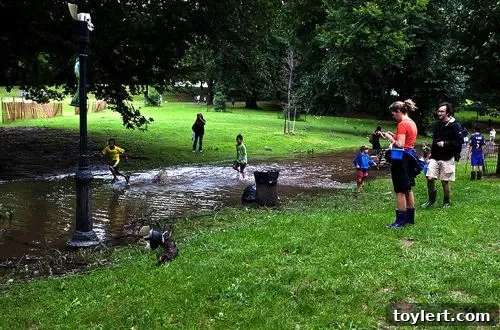
One of the most pressing and widely recognized issues squarely addressed by this renovation is the persistent, and often severe, flooding that has affectionately, yet problematically, earned parts of the park the memorable moniker “Fort Greene Falls.” Heavy downpours frequently transform significant sections of the park into temporary, impassable ponds, leading to several detrimental consequences. These include the erosion of valuable topsoil, potential damage to the park’s vital vegetation, and the overall degradation of pathways. This not only diminishes the park’s considerable aesthetic appeal but also poses genuine safety hazards and significantly limits public access, particularly in areas near the historic monument and along popular walking paths.
The extensive drainage work meticulously planned for the fall is absolutely critical to restoring the park’s full functionality and ensuring its long-term health. This comprehensive effort could involve a strategic combination of cutting-edge stormwater management techniques. These may include the widespread installation of permeable surfaces, which allow rainwater to seep naturally into the ground, thereby significantly reducing surface runoff. The creation of innovative bioswales – specially designed landscape elements – will further aid in removing silt and various pollutants from surface runoff water before it can cause harm. Additionally, improved grading will play a crucial role in directing water efficiently and effectively away from vulnerable areas, ensuring that the park can much better withstand future adverse weather events. By implementing these sophisticated and integrated solutions, the project aims to dramatically reduce both the frequency and severity of flooding, transforming the park into a more resilient, accessible, and enjoyable space throughout the entire year.
Enhanced Landscaping: A Vision for Natural Beauty and Ecological Sustainability
Beyond the critical drainage improvements, the renovation will feature significant and thoughtfully planned landscaping enhancements, promising to elevate the park’s natural beauty and bolster its ecological health. This comprehensive landscaping effort will likely include the strategic planting of new, diverse trees, a variety of shrubs, and indigenous native flora. These additions will contribute not only to the park’s visual appeal and the creation of serene environments but also significantly to local biodiversity and improved air quality. Thoughtful and strategic landscaping can also play a vital role in effective erosion control and the provision of natural shade, making the park substantially more comfortable and inviting during warmer months. The integration of sustainable landscaping practices will be paramount, ensuring that the park remains a thriving and self-sustaining ecosystem for many years to come, benefiting both local wildlife and the countless human visitors who cherish this green oasis.
The overarching goal is to cultivate more robust and diverse plant life that can more effectively absorb rainwater, naturally filter pollutants, and provide essential habitats for local wildlife. This ecological approach is fundamental to creating a truly sustainable urban green space, one that possesses the inherent ability to adapt and thrive amidst changing environmental conditions. Furthermore, meticulously designed landscaping contributes profoundly to the overall serene and restorative atmosphere that parks are inherently designed to provide, thereby significantly enhancing the mental and physical well-being of the entire community.
Community Input: Actively Shaping the Future of Fort Greene Park
A vital and non-negotiable aspect of this ambitious renovation project is the profound emphasis on active community involvement. Recognizing that local residents are not only the primary users but also the most invested caretakers of Fort Greene Park, the Parks Department and the Fort Greene Park Conservancy are actively and earnestly seeking public input for future improvements. To facilitate this crucial dialogue, a dedicated meeting is scheduled for February 29th at 6 p.m. at the Lafayette Avenue Presbyterian Church. This event presents an invaluable opportunity for community members to directly voice their innovative ideas, express their pertinent concerns, and offer their insightful suggestions regarding the park’s ongoing development and evolution.
Community engagement is absolutely crucial for several compelling reasons. Firstly, it ensures that the proposed renovations genuinely and accurately reflect the diverse needs and specific desires of those who utilize the park most frequently. Secondly, it fosters an invaluable sense of shared ownership and collective stewardship among residents, thereby encouraging greater care, appreciation, and respect for public spaces. Furthermore, invaluable local insights can often illuminate specific nuances, unique challenges, or previously overlooked details that might not be immediately apparent to planners working in isolation. This collaborative and inclusive approach ensures that Fort Greene Park evolves in a manner that truly and effectively serves its diverse community, strengthening its legacy for generations yet to come.
The Broader Impact: Fort Greene Park in the Context of Urban Green Spaces
This renovation project extends far beyond the immediate confines and specific boundaries of Fort Greene Park itself, reflecting a broader, city-wide commitment within New York City to strategically invest in, meticulously maintain, and diligently preserve its invaluable network of urban green spaces. Parks like Fort Greene are not merely considered amenities; they are recognized as critical urban infrastructure. They provide essential ecosystem services, actively mitigate the urban heat island effect, significantly improve air quality, and offer vital psychological benefits to the vast population of city dwellers. Therefore, substantial investments in park infrastructure, particularly in advanced drainage systems and sustainable landscaping practices, are undeniably crucial for enhancing climate resilience in an increasingly urbanized and often vulnerable world.
By transforming Fort Greene Park into a more resilient, accessible, and ecologically sound space, this project sets a powerful precedent for how urban parks across the city can effectively adapt to evolving environmental challenges while continuing to serve as indispensable community resources. It profoundly underscores the understanding that healthy, vibrant parks contribute directly and fundamentally to the creation of healthy, thriving communities, thereby enhancing the overall quality of life, actively promoting physical activity, and significantly strengthening essential social bonds among residents.
Looking Ahead: A Revitalized and Enduring Future for a Beloved Park
The substantial $2.55 million renovation marks a significant and exciting milestone in the ongoing stewardship and careful preservation of Fort Greene Park. With crucial work on public bathrooms set to commence this spring and extensive landscaping and vital drainage improvements meticulously planned for the fall, the park is unequivocally poised for a truly transformative period. While the ambitious journey to entirely eliminate all flooding challenges will undoubtedly be an ongoing and dynamic effort, this initial and robust investment represents a profound commitment to significantly enhancing the park’s functionality, elevating its natural beauty, and bolstering its long-term resilience.
Residents are strongly encouraged to actively participate in the upcoming community input meeting, ensuring that their valuable voices and insightful perspectives contribute meaningfully to the bright and promising future of this beloved Brooklyn gem. Fort Greene Park, with its rich and storied history, its vibrant community spirit, and its cherished role as a green sanctuary, stands on the cusp of a significant and impactful revitalization, promising a more accessible, beautiful, and sustainable green space for all to enjoy for many cherished years to come.
Park Rehab Means Good-Bye To ‘Fort Greene Falls’ [NYT/Local]
Photo by Ed Brydon