Got a project to propose for The Insider? Contact author Cara Greenberg at caramia447 [at] gmail [dot] com.
Unearthing Brooklyn’s Architectural Gems: The Fort Greene Brownstone Renaissance
Brooklyn’s Fort Greene neighborhood is renowned for its tree-lined streets and magnificent brownstones, each telling a story of a bygone era. These historic residences represent a cherished link to the city’s past, and few discoveries excite architectural enthusiasts more than a brownstone found largely intact, albeit in need of significant restoration. Such was the case with a remarkable four-story brownstone situated directly on Fort Greene Park – a truly rare find that promised both immense challenges and unparalleled rewards.
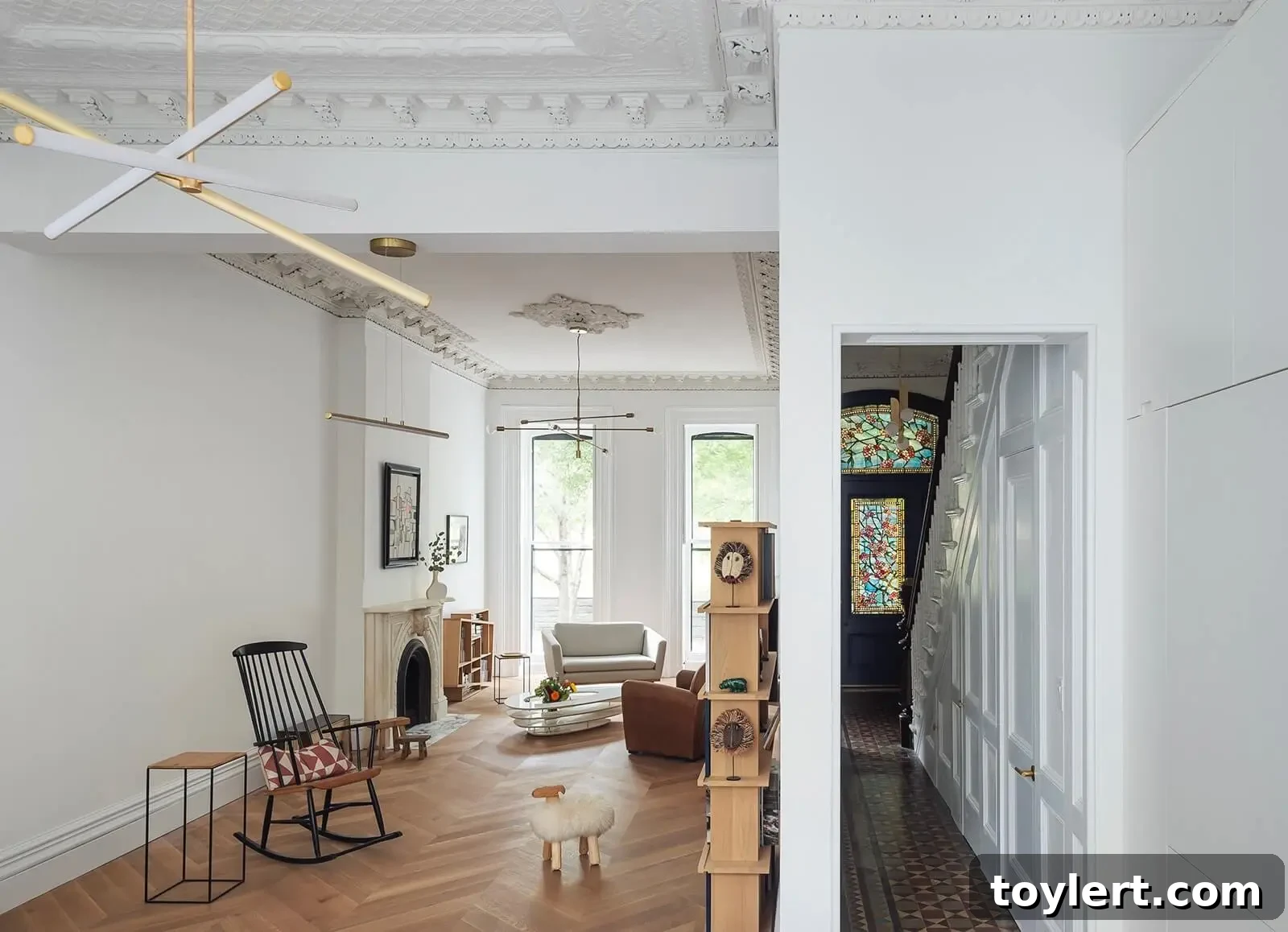
This particular dwelling, despite its aged condition, presented a veritable treasure trove of original details. Its interior was copiously adorned with exquisite plaster moldings, intricately carved woodwork, and an entire hallway showcasing the mesmerizing patterns of original encaustic tile. These features hinted at the home’s once-grand elegance, offering a glimpse into the artisanal craftsmanship that defined 19th-century Brooklyn. Yet, like many structures of its age, time had taken its toll, and these vintage details, though present, had certainly seen much better days.
The Allure of Architectural Heritage: Beyond the Facade
For those passionate about historical architecture, a brownstone like this is more than just a house; it’s a canvas for preservation, a living museum waiting to be revived. The initial excitement of discovering such a property lies not only in its prime location facing Fort Greene Park but also in the sheer volume of original elements that remained. Many brownstones undergo multiple renovations over their lifespans, often stripping away crucial historical components. To find one still retaining its original plasterwork, wood carvings, and even a complete encaustic tile hallway, is a testament to its enduring character and a unique opportunity for sensitive restoration.
However, the journey of revival is rarely without its hurdles. The outstanding stained glass at the entry, a piece described as Tiffanyesque in its quality and design, presented a stark reminder of the home’s long history and gradual decline. A large, unsightly hole marred its intricate beauty, symbolizing the delicate balance between preservation and repair that defines such ambitious projects. Restoring such a piece requires not just skill but a deep respect for the original artistry, often necessitating the work of specialized artisans.
Decoding the Details: A Craftsman’s Perspective
The Art of Plaster Moldings
Plaster moldings, a hallmark of Italianate and Victorian brownstones, are more than just decorative accents; they are historical records of architectural taste and craftsmanship. In this Fort Greene brownstone, the abundance of original moldings suggested a home of considerable stature. Over time, plaster can crack, chip, and suffer from water damage, necessitating meticulous repair. The restoration process typically involves carefully cleaning the existing plaster, stabilizing any loose sections, and then expertly patching or recreating missing elements using traditional techniques. This often means working with experienced plasterers who understand the nuances of lime plaster and gypsum, ensuring the repaired sections seamlessly blend with the original, preserving the historical integrity of the room.
Carved Woodwork: A Glimpse into Artisanal Skill
The carved woodwork found throughout the brownstone is another layer of its historical richness. This could include elaborate fireplace mantels, newel posts, staircase balustrades, and door and window casings. Each piece tells a story of the artisan who painstakingly shaped the wood, often from mahogany, oak, or walnut. Common issues in older woodwork include years of paint buildup, damage from impacts, or structural weakening due to age and moisture. Restoring carved woodwork often involves careful stripping of old finishes, repairing or replacing damaged sections with matching wood species, and then refinishing to bring out the wood’s natural beauty while protecting it for future generations. This careful approach highlights the grain and detail, allowing the original craftsmanship to shine once more.
Encaustic Tile: Patterns of the Past
Perhaps one of the most exciting finds in this brownstone was the entire hallway of original encaustic tile. Unlike glazed tiles, encaustic tiles derive their patterns from different colors of clay inlaid into the body of the tile, making the design incredibly durable and resistant to wear. Popular in the mid to late 19th century, these tiles are prized for their intricate geometric and floral designs. Restoration challenges for encaustic tile floors typically involve cleaning decades of grime, repairing cracked or chipped tiles, and in some cases, sourcing period-appropriate replacements if damage is extensive. The goal is to restore the vibrancy of the original patterns, bringing the hallway back to its intended grandeur and ensuring its longevity.
Stained Glass: Light and Legacy
The “Tiffanyesque” stained glass at the entry of the brownstone, despite its significant damage, speaks volumes about the original owner’s appreciation for beauty and artistry. Stained glass panels not only provide aesthetic appeal but also filter natural light, casting colorful hues into the interior. The description “Tiffanyesque” suggests a piece with high artistic merit, characterized by vibrant colors, intricate leading, and possibly opalescent glass. Repairing such a piece is a highly specialized skill, often requiring a stained glass conservator who can match the original glass types, colors, and textures, and meticulously re-lead the damaged sections. The successful restoration of this element would not only repair a physical defect but also reinstate a crucial piece of the home’s artistic and historical narrative.
The Vision for Revival: Blending Past and Present
The process of restoring a Fort Greene brownstone with such significant original details involves a careful balance of historical preservation and modern living requirements. The architects and homeowners embarking on such a project must develop a shared vision: to respect the home’s past while ensuring it meets the needs of contemporary life. This means addressing structural integrity, updating electrical and plumbing systems to modern standards, and improving energy efficiency, all without compromising the integrity of the period features.
Skilled professionals, from architects specializing in historic preservation to master craftsmen in plaster, wood, and glass, are indispensable. Their expertise ensures that every decision, from the choice of restoration materials to the techniques employed, aligns with best practices in conservation. The journey is often long and complex, but the transformation from a neglected, damaged space into a meticulously restored home is profoundly rewarding. It’s a testament to patience, craftsmanship, and a deep appreciation for architectural heritage.
Fort Greene’s Enduring Charm: Why Preservation Matters
Fort Greene’s unique character is inextricably linked to its historic housing stock. Each restored brownstone contributes to the neighborhood’s overall charm and appeal, preserving not just individual homes but the collective identity of an entire community. These residences offer a unique living experience, marrying the grandeur of the past with the vibrancy of modern urban life. The meticulous restoration of properties like this Fort Greene brownstone ensures that future generations can appreciate the artistry and history embedded within these walls.
Ultimately, a project of this magnitude is more than just a renovation; it’s an act of stewardship. It’s about recognizing the intrinsic value of historical craftsmanship, investing in its meticulous repair, and breathing new life into structures that embody the rich architectural legacy of Brooklyn. The once-elegant four-story brownstone, with its original plaster moldings, carved woodwork, and encaustic tile, stands as a prime example of how dedication to preservation can transform a decaying relic into a timeless masterpiece, ready to inspire for another century.