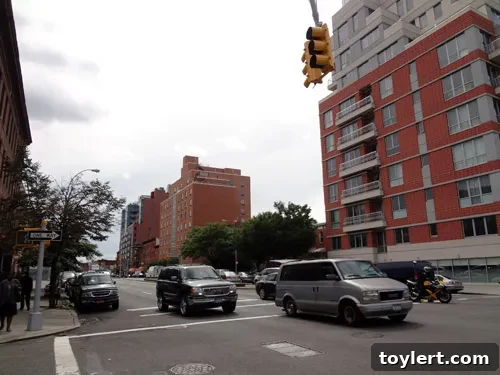
Transforming Fourth Avenue: A Community-Driven Vision for Safety and Livability in Brooklyn
Fourth Avenue in Brooklyn, a vital arterial thoroughfare stretching through several vibrant neighborhoods, has long been a subject of discussion regarding its future. As a key corridor connecting diverse communities and serving as a gateway to the industrial waterfront, its design and function profoundly impact the daily lives of thousands of residents, commuters, and businesses. Recognizing the pressing need for a comprehensive and community-focused approach to its evolution, the Fourth Avenue Task Force was established. This initiative is specifically “charged with directing the community-focused transformation of Fourth Avenue into a place that safely accommodates all road users,” aiming to create a more balanced, accessible, and livable environment for everyone.
The imperative for such a transformation stems from Fourth Avenue’s historical role as a high-volume traffic route, often prioritizing vehicle throughput over pedestrian safety, cyclist accessibility, and the overall quality of urban life. The task force represents a pivotal step towards reimagining this critical artery, fostering a dialogue between various stakeholders to craft a future where safety, efficiency, and community well-being converge. This collaborative effort acknowledges that truly effective urban planning must be deeply rooted in the lived experiences and concerns of those who navigate and reside along the avenue every day.
Inaugural Meeting: Laying the Groundwork for Change
The journey towards a revitalized Fourth Avenue officially began with the inaugural meeting of the Task Force’s traffic, transportation, and safety committee. This crucial gathering brought together a diverse group of approximately 20 individuals, including dedicated residents, influential Council member Steve Levin, and representatives from the Department of Transportation (DOT). The atmosphere was one of earnest collaboration, with attendees sharing their firsthand experiences and insights, highlighting both the challenges and the immense potential of the avenue. This initial session served as a powerful platform for residents to voice their concerns and offer practical suggestions, setting the stage for a truly community-driven planning process.
The participation of key city officials, such as Council member Levin and DOT representatives, underscored the importance and official backing of this initiative. Their presence facilitated a direct line of communication between the community and the agencies responsible for implementing changes, ensuring that resident feedback would directly inform future policy and infrastructure decisions. This multi-stakeholder approach is fundamental to the Task Force’s mission, as it recognizes that effective urban transformation requires input from every segment of the community, from daily commuters to long-term residents and local business owners.
Addressing Key Concerns and Bold Ideas for Improvement
During the meeting, a wide array of ideas and concerns were robustly discussed, all aimed at enhancing the safety, functionality, and aesthetic appeal of Fourth Avenue. Residents and officials alike contributed to a vibrant exchange of proposals, focusing on immediate interventions and long-term capital projects. The discussions illuminated the complex challenges facing the avenue but also highlighted the community’s collective eagerness to find innovative solutions. These proactive suggestions reflect a shared vision for an avenue that better serves its diverse user base.
Among the most prominent suggestions bandied about last night were:
- Adding Dedicated Bike Lanes: A strong emphasis was placed on integrating safer cycling infrastructure. The creation of protected bike lanes along Fourth Avenue would not only enhance safety for cyclists but also encourage more sustainable modes of transportation, reduce traffic congestion, and contribute to a healthier urban environment. This proposal aligns with modern urban planning principles that prioritize active transportation and create more walkable and bikeable cities.
- Studying Truck Use and Logistical Patterns: Given Fourth Avenue’s proximity to the industrial waterfront and its role as a commercial artery, understanding and optimizing truck traffic is crucial. A comprehensive study would analyze existing truck routes, delivery schedules, and the impact of heavy vehicles on road infrastructure, noise levels, and pedestrian safety. Potential outcomes could include designated truck routes, off-peak delivery incentives, or specific loading zones to mitigate negative impacts while maintaining vital industrial accessibility.
- Improving General Infrastructure While Preserving Waterfront Accessibility: This encompasses a broad range of enhancements, from upgrading road surfaces, sidewalks, and lighting to improving signage and crosswalks. The challenge lies in executing these improvements without impeding the crucial industrial operations along the waterfront. Maintaining a balance between urban renewal and industrial functionality is a delicate but essential aspect of Fourth Avenue’s transformation, ensuring that economic vitality is not sacrificed for livability.
These proposals collectively reflect a desire for a holistic transformation of Fourth Avenue, moving beyond piecemeal solutions to address systemic issues. The discussion highlighted the interconnectedness of transportation, infrastructure, and urban development, emphasizing the need for an integrated planning approach.
Targeting Accident Hot Spots: A Data-Driven Approach to Safety
A significant part of the safety discussion revolved around identifying and addressing specific areas prone to accidents. A representative from Bay Ridge’s community board shared valuable insights, noting that “hot spots” for accidents in the neighborhood have already been meticulously identified. This data-driven approach is critical for effective urban safety planning, allowing resources to be concentrated where they are most needed and where they can have the greatest impact on reducing collisions and improving pedestrian and cyclist safety.
The identification of these hot spots paves the way for targeted interventions. DOT representatives indicated that the stretch of Fourth Avenue from Sunset Park up to Atlantic Avenue is likely to be the focus for the first wave of safety improvements. This strategic prioritization ensures that immediate action can be taken in areas with a demonstrated history of incidents, providing residents with tangible evidence of the Task Force’s commitment to enhancing safety. Understanding the specific factors contributing to accidents in these areas, such as inadequate signal timing, lack of clear pedestrian crossings, or insufficient lighting, will guide the design of effective countermeasures.
Phased Improvements: From Temporary Solutions to Capital Transformations
The path to a fully transformed Fourth Avenue is envisioned as a multi-stage process, beginning with more immediate, temporary changes before transitioning to more substantial capital improvements. This phased approach allows for flexibility and responsiveness, enabling the city to implement quick wins while planning for larger, more complex projects. At present, only temporary changes can be put into place, such as banning certain turns at specific intersections or adjusting signal timings. These interim measures are vital for addressing urgent safety concerns and managing traffic flow while the longer-term capital projects are planned, funded, and executed.
Capital improvements, on the other hand, involve more extensive and costly overhauls, such as reconstructing intersections, widening sidewalks, installing permanent protected bike lanes, or undertaking major landscaping projects. These projects require significant investment, detailed engineering, and often involve complex coordination with various city agencies and utilities. The discussion made it clear that while temporary adjustments provide immediate relief, the ultimate vision for Fourth Avenue hinges on these comprehensive capital improvements, which will fundamentally reshape the avenue’s infrastructure and character for decades to come.
The Shadow of Development: Navigating Growth and Congestion
The conversation also delved into the broader implications of significant urban development projects on Fourth Avenue. The ongoing evolution of areas like Atlantic Yards and new commercial ventures such as the Whole Foods development are anticipated to bring both opportunities and challenges, particularly concerning traffic and congestion. Council member Levin acknowledged these concerns, stating that he had heard reports indicating that traffic changes already implemented in the vicinity have contributed to increased congestion, particularly on the northernmost stretch of Fourth Avenue. This highlights the delicate balance between urban growth and maintaining smooth traffic flow and neighborhood livability.
Another participant in the meeting underscored this point by noting that the impending Whole Foods development would inevitably become another source of congestion in the future. Large-scale developments, while bringing new housing, retail, and amenities, also intensify demand on existing infrastructure, leading to increased vehicle trips, pedestrian activity, and public transit usage. Proactive planning and integration with the Fourth Avenue Task Force’s goals are crucial to mitigate these impacts, ensuring that new development contributes positively to the avenue’s transformation rather than exacerbating existing problems. This requires foresight and collaborative strategies to manage the influx of new residents and visitors while maintaining the quality of life for long-term community members.
The Path Forward: Community Engagement and Aesthetic Vision
The inaugural meeting of the traffic, transportation, and safety committee was just the beginning. The Task Force is committed to an ongoing dialogue with the community, recognizing that continuous engagement is paramount to successful urban planning. For those who were unable to attend the first session, opportunities for input continue. An upcoming town hall meeting is scheduled, offering a distinct focus on possible aesthetic improvements for the avenue, such as landscaping, street furniture, and public art installations. These elements are vital for enhancing the pedestrian experience and transforming Fourth Avenue into a more inviting and visually appealing corridor.
The vision for Fourth Avenue extends beyond mere functionality; it seeks to create a beautiful, green, and vibrant urban space that reflects the character of Brooklyn. Aesthetic enhancements, like thoughtful landscaping and green infrastructure, can not only improve visual appeal but also contribute to environmental sustainability, reduce urban heat island effects, and provide much-needed green spaces in dense urban areas. Such improvements can transform concrete expanses into inviting public realms, fostering a stronger sense of community and pride along the avenue. These future discussions will be instrumental in shaping the overall character and appeal of the revitalized Fourth Avenue, ensuring it is a place where people not only travel through but also desire to linger and connect.
The Fourth Avenue Task Force embodies a significant commitment to redefining one of Brooklyn’s most critical arteries. Through collaborative planning, data-driven decisions, and an unwavering focus on community input, the initiative aims to transform Fourth Avenue into a safer, more accessible, and more beautiful urban corridor. This ongoing process reflects a proactive approach to urban development, ensuring that Fourth Avenue evolves into a space that truly serves all road users and enhances the overall quality of life for Brooklyn residents.