A Glimpse into Brooklyn’s Enduring Spirit: Franklin Avenue, Then and Now
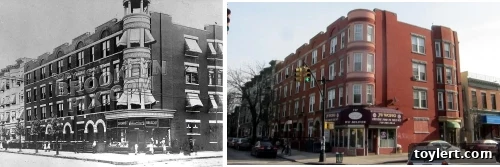
Brooklyn, a borough synonymous with vibrant communities and architectural grandeur, possesses a captivating history etched into its very streets. Few thoroughfares encapsulate this historical tapestry as vividly as Franklin Avenue in Crown Heights. The passage of over a century transforms urban landscapes in profound ways, yet often, the echoes of the past remain, subtly interwoven with modern life. This photographic composite, comparing 1907 with the present day, offers a compelling visual narrative of evolution and continuity, highlighting the remarkable journey of one of Brooklyn’s most cherished neighborhoods.
In 1907, when the sepia-toned image on the left was captured, this dynamic section of what we now widely recognize as Crown Heights North was already a bustling hub. Interestingly, at that time, the moniker “Crown Heights” was still gaining traction, often used interchangeably with the older, more pastoral name, “Crow Hill.” This period marked a significant era of development for Brooklyn, as it rapidly grew from a collection of distinct towns into a thriving urban center. Franklin Avenue, positioned strategically just a few blocks east of the Prospect Heights border at Washington Avenue, had firmly established itself as the primary commercial artery for this burgeoning community. It was a place where residents would conduct their daily errands, socialize, and engage in the vibrant civic life of the borough.
The Genesis of a Neighborhood: Crown Heights in the Early 20th Century
To truly appreciate the transformation, one must delve into the historical context of Crown Heights in the early 20th century. The neighborhood was then characterized by its elegant brownstones and sturdy row houses, many of which had been constructed in the late 19th and early 20th centuries, reflecting the popular architectural styles of the period, such as Romanesque Revival and Renaissance Revival. These homes were designed to accommodate a growing middle-class population, attracted to Brooklyn’s promise of spacious living and convenient access to Manhattan via newly developing subway lines and trolley services.
Franklin Avenue itself was lined with an eclectic mix of businesses. Local grocers, bakeries, pharmacies, dry goods stores, and various service providers dotted the street, serving the immediate needs of the surrounding residential blocks. The streetcar lines, a common feature of urban life at the time, would have ferried residents and shoppers along Franklin Avenue, creating a constant hum of activity. The presence of these businesses fostered a strong sense of community, with local shopkeepers often knowing their customers by name, cementing Franklin Avenue’s role not just as a commercial strip, but as a social anchor.
The transition from “Crow Hill” to “Crown Heights” also speaks to the aspirations of the community. “Crow Hill” might have evoked images of its topographical features, but “Crown Heights” suggested a more refined, elevated status, befitting the grand homes and tree-lined streets that were becoming its hallmark. This rebranding reflected a growing pride and identity among residents, setting the stage for the neighborhood’s future development and solidifying its place on the Brooklyn map.
A Century of Change: Franklin Avenue’s Evolving Landscape
Fast forward a hundred years, and Franklin Avenue at Park Place presents a striking juxtaposition. The fundamental street grid remains, a testament to the enduring urban planning of the past, but almost everything else has undergone a remarkable metamorphosis. The original buildings, though perhaps modified, stand as stoic witnesses to time, their facades telling stories of countless lives and changing eras. However, the storefronts below them have transformed dramatically, reflecting shifts in consumer culture, demographics, and economic trends.
Through the mid to late 20th century, many Brooklyn neighborhoods, including Crown Heights, experienced periods of both growth and decline. Economic shifts, suburbanization, and changing demographics led to periods where commercial streets like Franklin Avenue faced challenges. However, the resilience of Brooklyn’s communities and the inherent architectural beauty of its neighborhoods ensured that areas like Crown Heights would always possess a latent potential for resurgence. The late 20th and early 21st centuries ushered in a new chapter, driven by a renewed appreciation for urban living, a desire for community, and the allure of historic architecture.
The Modern Renaissance: Franklin Avenue Today
Today, Franklin Avenue has once again reclaimed its status as a vibrant commercial and social hub, but with a distinctly modern twist. This particular part of Crown Heights has become immensely popular, drawing new residents, businesses, and visitors alike. The surge in popularity is multifaceted: its prime location near Prospect Park, the Brooklyn Botanic Garden, and the Brooklyn Museum makes it incredibly appealing. Furthermore, Crown Heights offers a rich tapestry of cultural diversity, a robust public transportation network, and a palpable sense of community that is increasingly sought after in a bustling city like New York.
The commercial landscape along Franklin Avenue today is a testament to this renaissance. Where once there might have been a general store, you now find an array of trendy cafes serving artisanal coffee, critically acclaimed restaurants offering diverse cuisines, boutique shops showcasing local designers, and innovative art galleries. These establishments cater to a diverse population, including long-time residents and a new wave of young professionals and families who have been drawn to the neighborhood’s unique charm and relative affordability compared to some of its more established Brooklyn counterparts.
The architecture, particularly the beloved brownstones, remains a defining feature. Many of these historic homes have been meticulously restored, blending their original grandeur with modern amenities. New residential developments have also emerged, thoughtfully integrated into the existing fabric, offering contemporary living options while attempting to complement the neighborhood’s historic aesthetic. This blend of old and new creates a dynamic streetscape that honors its past while embracing the future.
A Comparative Lens: Then vs. Now
The composite image offers a fascinating point of comparison. In 1907, the streets might have been less crowded with automobiles, perhaps dominated by horse-drawn carriages and early models of cars. Pedestrians would have dressed in turn-of-the-century fashion, and the storefronts would have reflected a different era of commerce. The lighting would have been gas lamps or nascent electric streetlights, casting a unique glow.
Now, the streets buzz with modern vehicles, bicycles, and a diverse array of pedestrians, all moving with the characteristic rhythm of New York City. The storefronts, illuminated by contemporary lighting, display vibrant signs and contemporary goods. While the specific businesses have changed, Franklin Avenue’s fundamental role as a nexus of commerce and community has not. It continues to be a gathering place, a commercial heart, and a vibrant artery through the neighborhood.
Perhaps the most remarkable aspect of this comparison is the enduring spirit of place. Despite the profound physical changes, the underlying structure of the street, the sense of a cohesive neighborhood, and its importance to the daily lives of its residents have persisted. Franklin Avenue, then and now, embodies the continuous narrative of Brooklyn itself – a story of constant reinvention, resilience, and an unwavering commitment to community life.
The Future of Franklin Avenue and Crown Heights
As Crown Heights continues to evolve, Franklin Avenue will undoubtedly remain at the forefront of its identity. The challenges of modern urban development, such as balancing growth with preservation, ensuring affordability, and fostering inclusivity, are ongoing considerations. Yet, the lessons from its past suggest a future where the neighborhood continues to thrive by integrating its rich history with contemporary demands.
The story of Franklin Avenue at Park Place is more than just a tale of changing buildings and businesses; it’s a living testament to the dynamic nature of urban environments. It illustrates how a community can adapt, reinvent itself, and yet retain its unique character and charm across generations. This powerful visual reminder encourages us to look closer at the spaces we inhabit, recognizing the deep layers of history that shape our present and influence our future.