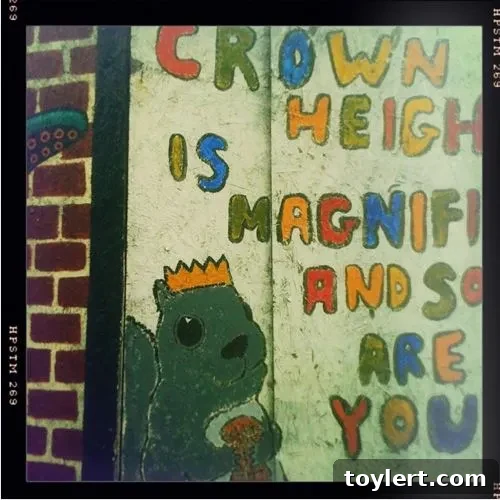
A Brooklyn Renaissance: Crown Heights Emerges as a Dynamic Hub
Crown Heights, Brooklyn, a neighborhood steeped in history and vibrant culture, has been experiencing a profound transformation, drawing significant attention from residents, developers, and media alike. Once primarily known for its historic brownstones and strong community ties, this diverse enclave has increasingly captured the spotlight as a compelling and more accessible alternative to its pricier Brooklyn counterparts, such as Carroll Gardens. Its journey from a hidden gem to a burgeoning hotspot has been well-documented, including a prominent feature on the cover of The New York Times’ Real Estate section, highlighting its newfound affordability and appeal.
This surge in popularity isn’t merely anecdotal; it’s a testament to the neighborhood’s evolving character, a blend of preserving its rich heritage while embracing modern growth. The narrative of Crown Heights is one of dynamic change, where the old and the new converge, creating a unique urban tapestry. As the demand for living space in New York City continues to escalate, areas like Crown Heights offer a glimpse into the ongoing urban evolution, presenting both immense opportunities and complex challenges for its long-standing residents and incoming populations.
The Allure of Crown Heights North: A Neighborhood on the Rise
The reasons behind Crown Heights North’s escalating desirability are multifaceted, painting a picture of a neighborhood with immense inherent value. Its strategic location, architectural beauty, and blossoming local economy collectively contribute to its magnetizing charm, drawing a diverse array of individuals and families seeking a vibrant urban experience.
Architectural Grandeur and Green Spaces
At the heart of Crown Heights’ appeal lies its stunning architectural stock. The streets are lined with exquisitely preserved brownstones and limestones, showcasing intricate details and grand facades that harken back to a bygone era. These historic residences, often more spacious and characterful than modern constructions, offer a tangible connection to Brooklyn’s rich past. Beyond the impressive housing, the neighborhood boasts close proximity to iconic green spaces. Prospect Park, Brooklyn’s cherished urban oasis, is just a stone’s throw away, offering residents unparalleled access to sprawling lawns, tranquil lakes, and recreational facilities. This blend of architectural beauty and natural serenity provides a quality of life that is increasingly rare in urban settings.
A Vibrant Culinary and Commercial Scene
Over the past decade, Crown Heights has witnessed an explosion of new businesses, transforming its commercial corridors into lively hubs. From chic cafes and artisanal bakeries to diverse restaurants offering global cuisines, the culinary scene has flourished, catering to an increasingly varied palate. Boutique shops, art galleries, and wellness studios have also taken root, contributing to a robust local economy and fostering a sense of community pride. This influx of new establishments not only provides convenience for residents but also acts as a powerful draw for visitors, solidifying Crown Heights’ reputation as a destination in its own right.
Unparalleled Connectivity
Ease of access is another critical factor in the neighborhood’s popularity. Crown Heights is exceptionally well-served by an extensive network of public transportation, including multiple subway lines that offer quick and direct routes to Manhattan and other parts of Brooklyn. This superior connectivity makes it an attractive option for commuters and anyone seeking to navigate the city with efficiency. The strategic location, coupled with its burgeoning amenities, positions Crown Heights as a highly accessible and desirable place to live, work, and explore.
Franklin Avenue: A Microcosm of Change and Contention
While the entire Crown Heights North area has been subject to transformation, the Franklin Avenue corridor, stretching from Atlantic Avenue to Eastern Parkway, stands out as a particular epicenter of this rapid evolution. This vibrant artery serves as a microcosm for the broader changes sweeping through the neighborhood, showcasing both the exciting potential and the inherent tensions that arise when a community undergoes such profound shifts. Franklin Avenue, once a quieter commercial strip, has blossomed into a bustling thoroughfare, teeming with new life, businesses, and residents, reflecting the dynamic push and pull between tradition and progress.
Navigating the Currents of Transformation: Old Meets New
The narrative of Franklin Avenue, much like many rapidly gentrifying neighborhoods across the globe, is characterized by an inevitable interplay of old and new. This dynamic often gives rise to spirited debates, cultural clashes, and economic shifts that reshape the very fabric of the community. It’s a complex story, not merely of progress, but of the human experience within an evolving urban landscape, where the gains of some often translate into anxieties for others. The changes in Crown Heights highlight universal themes of urban development: affordability, community identity, and the quest for balance amidst rapid growth.
The Shifting Demographics and Economic Realities
The pace of change in Crown Heights, and particularly along Franklin Avenue, has been startling. Sensational statistics often underscore the dramatic shifts, such as reports of rents soaring by as much as 36 percent in a single year. This astronomical increase places immense pressure on long-term residents, many of whom have called Crown Heights home for decades, threatening to price them out of their own community. Concurrently, demographic shifts have been equally pronounced, with some reports indicating a significant increase in the white population – by as much as 15 percent – over a ten-year span. These figures are not just numbers; they represent fundamental alterations in the socio-economic and cultural landscape of the neighborhood, leading to a palpable sense of displacement and transformation of community identity. The influx of new residents, often with higher incomes, drives up demand and consequently, property values and rental costs, creating an affordability crisis for those with more modest means.
Voices from the Past: Long-Term Residents’ Concerns
For many long-time residents, the rapid influx of newcomers and the accompanying changes evoke a mix of emotions, often tinged with a sense of loss and apprehension. Their perspectives are crucial for understanding the human impact of gentrification. The sentiment that “being an old timer, I don’t see that warmth and neighborliness kicking in yet because folks are still strangers” encapsulates a profound concern: the erosion of community bonds and a perceived decline in the interpersonal warmth that once defined the neighborhood. These residents often recount a time when doors were always open, and neighbors were like extended family, a stark contrast to the sometimes more insular and transient nature of new arrivals. Beyond a mere lack of familiarity, this feeling can extend to a sense of cultural alienation, where established traditions, local businesses, and social norms face pressure from new trends and commercial interests. The fear of losing the neighborhood’s unique character, forged over generations, is a recurring theme, highlighting the challenges of integrating diverse populations while preserving existing community frameworks.
Embracing Evolution: A Forward-Looking Perspective
Yet, amidst these tensions, another powerful narrative emerges—one of embracing change and recognizing potential. Evangeline Porter, a venerable 79-year-old resident and the founder of the Crow Hill Community Association 25 years prior, stands as a testament to this forward-thinking approach. Ms. Porter has openly welcomed the more recent transformations, sometimes to the dismay of other long-standing stakeholders. Her vision for Franklin Avenue, which she affectionately calls “my baby,” is one of progress and revitalization. As she recounted a conversation with a skeptical landlord, stating, “He said to me, ‘You’re letting these people come in and take over.’ I told him, ‘I am,’” she articulated a deliberate choice to engage with the changing dynamics.
“Franklin Avenue is my baby,” said Ms. Porter, who recounted a recent conversation with one landlord. “He said to me, ‘You’re letting these people come in and take over.’ I told him, ‘I am.’ ”Ms. Porter, who is black, criticized African-American merchants for being complacent in rebuilding the neighborhood years ago and praised many of the “young Caucasians” for attending community meetings. “They saw the potential of the neighborhood and said, ‘What can we do to help?’ ” she said.
Ms. Porter’s perspective sheds light on a crucial aspect of community development: the proactive engagement of new residents. She has been critical of some African-American merchants for what she perceived as complacency in rebuilding the neighborhood in previous years, contrasting this with the active participation of many “young Caucasians” who attend community meetings. Her praise for these newcomers stems from their visible enthusiasm and willingness to contribute. “They saw the potential of the neighborhood and said, ‘What can we do to help?’” she observed, highlighting a desire for collaborative improvement. This viewpoint underscores the idea that change, while disruptive, can also bring renewed energy, investment, and a fresh perspective that can contribute to the overall betterment of the community, provided there is open dialogue and a shared vision for its future.
The Battle for Identity: The “ProCro” Saga
The complexities of Crown Heights’ transformation extend beyond demographics and economics into the very essence of its identity. A particularly vivid example of this cultural tug-of-war emerged with the controversial “ProCro” rebranding attempt. Last year, some real estate brokers, keen on capitalizing on the area’s increasing overlap, both demographically and commercially, with the more established and affluent Prospect Heights, sought to rename northwestern Crown Heights as “ProCro.” This attempt to impose a new, market-driven identity sparked an immediate and fervent backlash from residents and local leaders alike. It wasn’t merely a trivial squabble over a name; it represented a deeper conflict over who has the right to define a neighborhood’s identity, its history, and its future.
Assembly Member Hakeem Jeffries’ humorless response to the “ProCro” proposal perfectly captured the widespread indignation. His stern disapproval underscored the sentiment that a neighborhood’s name is not a marketing ploy but a reflection of its soul and the collective memory of its inhabitants. Such rebranding efforts, often perceived as an attempt to erase historical context and facilitate gentrification by making an area sound more appealing to a new demographic, frequently ignite passionate debates about authenticity and cultural preservation. The “ProCro” incident served as potent fodder for discussions on community self-determination, the influence of commercial interests on urban spaces, and the ongoing struggle to protect the distinct character of Brooklyn’s diverse enclaves from being diluted by market trends.
Conclusion: A Neighborhood in Flux
Crown Heights stands today as a dynamic tableau of urban transformation, a testament to Brooklyn’s relentless evolution. The Franklin Avenue corridor, in particular, offers a vivid illustration of the delicate balance between progress and preservation, between welcoming new energy and honoring long-standing traditions. The neighborhood’s journey is far from over; it is an ongoing dialogue between its past, present, and future, shaped by the aspirations and anxieties of all who call it home. The story of Crown Heights is a powerful reminder that urban development is not a linear process but a complex, multi-layered narrative of human experience, constantly being written by the intricate interactions within its community. As it continues to navigate these changes, Crown Heights will undoubtedly remain a focal point for understanding the broader currents of urban revitalization and the enduring spirit of Brooklyn.