Brooklyn’s Dynamic Landscape: Real Estate, Community & Urban Evolution
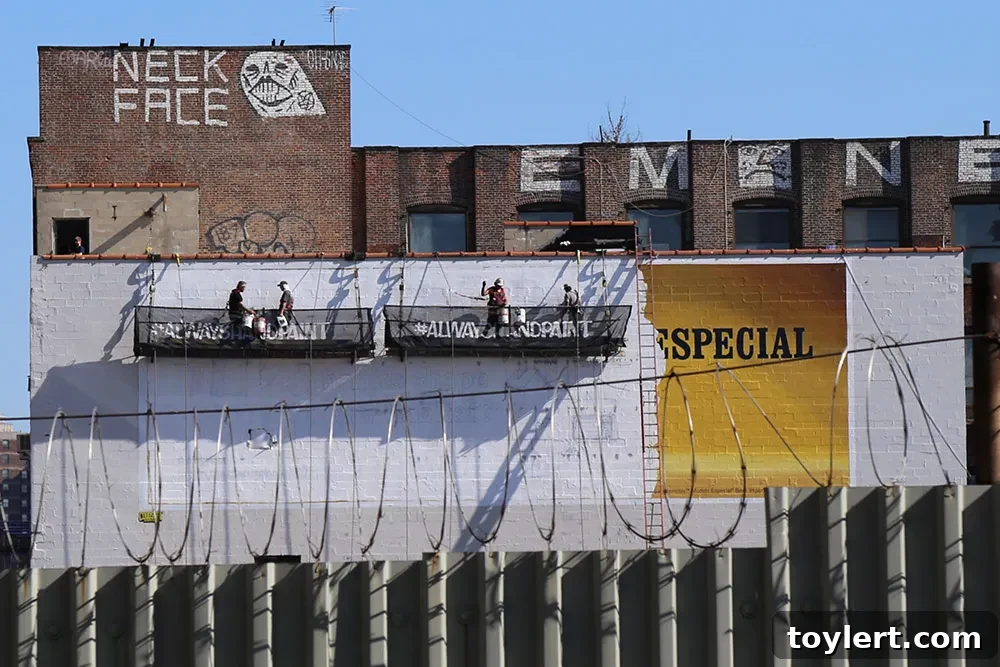
Brooklyn, a borough of unparalleled character and relentless evolution, continues to captivate residents and developers alike with its unique blend of historic charm and contemporary innovation. From the cobblestone streets of Dumbo, showcased by the iconic York Street pictured above, to the rapidly transforming industrial zones and the tightly-knit residential enclaves, Brooklyn is a microcosm of urban dynamism. This article delves into the recent developments, community challenges, and significant real estate movements that shape the borough, offering a comprehensive look at the forces driving its continuous metamorphosis.
The urban fabric of Brooklyn is constantly being rewoven, with new construction, adaptive reuse projects, and community-led initiatives defining its future. This includes everything from the intricate dance of city politics impacting social services to the grassroots efforts shaping neighborhood identities. Understanding these interwoven narratives is key to appreciating the complex tapestry that is modern Brooklyn.
Real Estate & Development: Shaping Brooklyn’s Skyline
Brooklyn’s real estate market remains a hotbed of activity, reflecting both the borough’s desirability and the ongoing demand for diverse housing options. Development projects span a wide spectrum, from luxury residential buildings transforming former industrial areas to more modest single-family homes pushing the boundaries of traditional design. These developments not only alter the physical landscape but also influence the social and economic dynamics of the neighborhoods they inhabit.
Gowanus: A Hub for Modern Rentals
The Gowanus neighborhood, with its industrial past and burgeoning creative scene, continues its journey towards becoming a vibrant residential hub. Developers like Adam America have been at the forefront of this transformation, releasing interior renderings for modern rentals at 577 Baltic Street. These projects cater to a growing population seeking contemporary living spaces within a short commute to Manhattan, while still offering the distinct character and community feel unique to Brooklyn. The influx of new residents and businesses is gradually reshaping the canal-side district, bringing new amenities and services while also sparking discussions about environmental impact and preservation of its industrial heritage.
Williamsburg & Bushwick: The Unrelenting Pace of Change
Williamsburg and Bushwick, long established as epicenters of artistic expression and cultural trends, continue to experience significant development activity. The consistent filing of permits underscores the ongoing demand for both residential and commercial spaces. For instance, permits filed for 286 Wythe Avenue in Williamsburg signify the continued vertical growth and densification of this highly sought-after area. Similarly, a theater conversion at 383 Troutman Street in Bushwick highlights a common trend: the adaptive reuse of existing structures. This approach not only preserves a piece of the neighborhood’s history but also allows for innovative architectural solutions to meet modern needs. These conversions often blend the old with the new, creating unique living or working environments that appeal to a diverse demographic, from artists to tech professionals.
Kensington: A Unique Residential Vision
Even in more traditionally residential neighborhoods, innovative approaches to housing are emerging. The plan for a seven-story, single-family residence at 200 Parkville Avenue in Kensington stands out as a particularly intriguing development. Such an ambitious scale for a private home challenges conventional notions of urban living and underscores the luxury segment’s willingness to invest in unique, custom-designed properties. This project, while perhaps an outlier in its height, reflects a broader trend of maximizing space and creating bespoke living experiences within the dense urban environment of Brooklyn, appealing to those seeking unparalleled privacy and scale.
Industry City: Adapting to Unforeseen Circumstances in Sunset Park
Industry City in Sunset Park represents a colossal undertaking to transform former industrial complex into a vibrant economic and cultural hub. However, such large-scale projects are rarely without their hurdles. Reports indicate that Industry City executives are continuously adapting to unforeseen circumstances. This could range from navigating complex zoning changes and community input to addressing infrastructure demands and shifting economic landscapes. Industry City’s success hinges on its ability to attract a diverse array of businesses, from manufacturing and tech startups to retail and creative industries, while also engaging constructively with the surrounding Sunset Park community. Its evolution serves as a significant case study in urban regeneration, highlighting the delicate balance between economic development and community preservation.
Community Voices & Urban Challenges
Beyond the gleaming new developments, Brooklyn’s communities are actively engaged in shaping their own destinies, addressing local issues, and advocating for their collective well-being. These grassroots efforts and everyday challenges are fundamental to the borough’s character.
Cobble Hill Association: Leadership Changes and Community Governance
Community associations play a vital role in preserving neighborhood character and advocating for local interests. The vote for a new board at the Cobble Hill Association following a leadership “bruhaha” underscores the passion and sometimes intense disagreements that can arise within these organizations. Such changes often reflect differing visions for the neighborhood’s future, particularly concerning development, preservation, and the provision of local services. The outcome of these internal dynamics can have a profound impact on policy decisions and the overall direction of a historic district like Cobble Hill, emphasizing the importance of active civic participation.
Myrtle Avenue Businesses: Coping with Infrastructure Issues
Even basic urban infrastructure can present significant challenges for local businesses and residents. Reports of erratic water shutoffs leaving Myrtle Avenue businesses in Clinton Hill high and dry highlight the frustrations caused by unreliable city services. For small businesses, unexpected interruptions to essential utilities can lead to significant financial losses and operational disruptions. These incidents often spark broader conversations about the need for robust urban infrastructure, timely maintenance, and effective communication between city agencies and the communities they serve, ensuring that daily life and commerce can proceed unimpeded.
City-Wide Governance: Impacting Brooklyn Residents
Larger city-wide political and administrative decisions inevitably reverberate through Brooklyn’s diverse neighborhoods, influencing everything from social welfare to public services.
NYC Comptroller Clashes with Mayor de Blasio Over Shelter Contracts
The fiscal oversight of city services is a critical component of responsible governance. A notable instance of this was the New York Comptroller’s clash with Mayor de Blasio over shelter contracts. Such disagreements often center on transparency, efficiency, and the cost-effectiveness of services provided to vulnerable populations, particularly those experiencing homelessness. The Comptroller’s office is tasked with ensuring that public funds are spent wisely and ethically, and any concerns over contract management can lead to significant political tensions and calls for greater accountability. This type of oversight directly impacts the quality of life for many Brooklyn residents, especially those relying on city services, and highlights the constant tension between executive priorities and independent financial scrutiny.
Conclusion: Brooklyn’s Enduring Appeal
Brooklyn continues its remarkable journey as a dynamic and diverse urban center, a place where historic architecture meets groundbreaking new development, and where community engagement is deeply woven into the fabric of daily life. From the picturesque waterfront of Dumbo to the industrial rebirth of Gowanus and the residential transformations across its many neighborhoods, Brooklyn’s story is one of constant reinvention. The challenges of urban infrastructure, community governance, and city-wide policies are met with resilience and an unwavering commitment to progress.
As the borough evolves, it remains a beacon of cultural innovation, economic opportunity, and community spirit. The interplay between large-scale development, intricate local issues, and city-level governance ensures that Brooklyn will continue to be a fascinating and essential part of the greater New York City narrative, promising an ever-changing landscape for its vibrant population.