Brooklyn’s Ever-Evolving Landscape: A Deep Dive into Development, Community, and Urban Life
Brooklyn, a borough renowned for its vibrant culture, diverse neighborhoods, and relentless pace of change, continues to capture the imagination of residents and visitors alike. From innovative architectural designs shaping its iconic skyline to grassroots community initiatives strengthening its social fabric, Brooklyn is a microcosm of urban evolution. This comprehensive overview delves into recent developments, local news, and ongoing trends that define this dynamic New York City borough, offering insights into its growth, challenges, and enduring appeal.
The narratives emerging from Brooklyn are as varied as its districts, reflecting a constant interplay between preservation and progress. Whether it’s the transformation of industrial zones into residential havens, the steadfast efforts of community organizers, or the everyday stories of local businesses, each piece contributes to the rich tapestry of Brooklyn life. Join us as we explore the pulse of the borough, uncovering the stories that are shaping its present and charting its future.
Downtown Brooklyn’s Architectural Shift: A New High-Rise Embraces Non-Glass Design
Downtown Brooklyn, a nexus of commercial activity and residential growth, is once again at the forefront of architectural innovation. Recent renderings have revealed that a significant new high-rise project will diverge from the prevalent trend of all-glass facades, opting instead for a design incorporating more traditional and varied materials. This shift marks a notable departure from the glassy towers that have increasingly defined modern urban skylines, suggesting a potential evolution in contemporary architectural preferences within New York City.
The decision to move away from a predominantly glass exterior often stems from a combination of aesthetic, functional, and sustainability considerations. While glass structures offer abundant natural light and sleek appearances, they can also pose challenges related to energy efficiency, maintenance, and visual integration into diverse urban environments. Architects and developers may be exploring materials that offer better thermal performance, greater design flexibility, and a more contextual relationship with Brooklyn’s existing architectural heritage. This new development could signal a broader trend towards more nuanced and environmentally conscious building designs, aiming for structures that are not only visually striking but also more sustainable and harmonious within their urban settings. Such projects contribute to a more varied and resilient built environment, reflecting a maturing understanding of urban aesthetics and ecological responsibility in one of the city’s most rapidly developing areas.
Greenpoint’s Shifting Scenery: The Rise of a Taxi Graveyard
Greenpoint, a neighborhood celebrated for its artistic flair and rapidly evolving waterfront, is witnessing an unexpected transformation in parts of its landscape: the emergence of what locals have dubbed a “taxi graveyard.” This phenomenon involves large tracts of land becoming storage sites for a multitude of idle yellow cabs, presenting a stark visual contrast to the neighborhood’s ongoing gentrification and scenic views. The proliferation of these parked vehicles is a telling indicator of the profound shifts within New York City’s transportation sector.
The decline of traditional yellow cab operations, significantly accelerated by the rise of ride-sharing services and the economic impact of recent global events, has left many taxi medallion owners struggling. With fewer fares and increased competition, a considerable number of taxis have been taken off the road, leading to a demand for long-term storage solutions. Greenpoint, with its remaining industrial zones and ample lot spaces, has become an unintentional hub for these dormant vehicles. Beyond the immediate economic implications for the taxi industry, the “taxi graveyard” raises questions about urban land use, environmental impact (from prolonged outdoor storage), and the visual identity of a neighborhood undergoing rapid change. Community members and urban planners are now contemplating how best to address these areas, ensuring they align with Greenpoint’s vision for a vibrant, sustainable, and aesthetically pleasing urban environment, even as the legacy of a vital industry finds a temporary resting place.
Crown Heights’ Transformative Development: Luxury Apartments on a Historic Site
Crown Heights, a Brooklyn neighborhood steeped in history and vibrant community life, is currently undergoing a significant transformation with the development of luxury apartments on the site of a former prison. This project epitomizes the ongoing real estate boom in Brooklyn, where historical sites are frequently reimagined to meet the burgeoning demand for modern housing. The conversion of a former correctional facility into upscale residences offers a compelling narrative about urban redevelopment, gentrification, and the ever-evolving character of Brooklyn neighborhoods.
The juxtaposition of a former prison — a symbol of confinement and urban challenge — with luxury housing highlights the dramatic shifts in Crown Heights’ socio-economic landscape. Developers are capitalizing on the neighborhood’s attractive brownstones, tree-lined streets, and convenient access to Manhattan, drawing in a new wave of residents. While such projects introduce modern amenities and contribute to the local tax base, they also spark important conversations about housing affordability, displacement of long-term residents, and the preservation of neighborhood identity. The transformation of a site with such a distinct past into a symbol of future prosperity underscores the complex dynamics of urban renewal, challenging communities to balance growth with equitable development. As construction progresses, the project remains a focal point for discussions on how Brooklyn can embrace new development while honoring its past and supporting its diverse communities.
Brooklyn Heights Embraces Technology: Drones for Architectural Renderings
In the historic and picturesque neighborhood of Brooklyn Heights, modern technology is being deployed to capture its unique charm and inform future developments. Drones have been spotted on “renderings missions,” a clear indication of how cutting-edge aerial technology is now integral to urban planning and real estate marketing. These unmanned aerial vehicles are revolutionizing the way developers and architects visualize projects, especially in areas with distinct architectural character and protected views like Brooklyn Heights.
The use of drones allows for the capture of highly detailed, panoramic aerial imagery and video, offering unprecedented perspectives on potential development sites. For architectural renderings, this means architects can accurately assess sightlines, shadow impacts, and how a new structure will integrate with the existing urban fabric, ensuring that designs are both aesthetically pleasing and contextually appropriate. In a neighborhood like Brooklyn Heights, known for its iconic brownstones and protected views of the Manhattan skyline, drones are invaluable for meticulously documenting existing conditions and demonstrating proposed changes with precision. This application of technology helps stakeholders visualize projects more realistically, enhancing transparency and facilitating more informed decision-making. While raising occasional questions about privacy and airspace regulation, the deployment of drones for such sophisticated tasks underscores the increasing reliance on advanced tools to navigate the complexities of urban development in historically significant areas.
Bensonhurst’s Grocery Store Transition: Waldbaums to Key Food
Bensonhurst, a vibrant and densely populated neighborhood in Brooklyn, is experiencing a significant change in its retail landscape with the likely transition of a long-standing Waldbaums supermarket into a Key Food store. This move reflects broader trends in the grocery industry, where consolidation and rebranding are common, but it carries particular weight in tight-knit communities where local supermarkets are often more than just places to shop—they are community anchors. The shift from one familiar brand to another can have various implications for local residents.
For decades, Waldbaums has served as a staple for many Bensonhurst families, providing essential groceries and often employing local staff. The rebranding to Key Food, while maintaining a grocery presence, might introduce new product selections, pricing strategies, and store layouts, requiring residents to adjust. This transition can spark discussions about loyalty to specific brands, the continuity of local employment, and the overall impact on consumer choices within the neighborhood. In an era where online grocery shopping and discount retailers are challenging traditional supermarket models, the physical grocery store remains crucial for many, especially those who prefer in-person shopping or have limited access to transportation. The transformation of this space under a new banner will be closely watched by Bensonhurst residents, as it marks another chapter in the evolution of their local economy and daily conveniences.
Greenpoint’s Community Spirit: Free Lunch for Cleanup Volunteers
Greenpoint continues to exemplify strong community engagement through initiatives that blend civic duty with neighborly camaraderie. A recent campaign offered a compelling incentive: a free lunch for those who volunteer their time to help clean up the neighborhood. Such programs are invaluable for fostering a sense of collective responsibility and directly improving local environments. They highlight the proactive spirit of Greenpoint residents and organizations committed to maintaining the area’s charm and cleanliness.
Community cleanups are vital for urban areas, addressing issues ranging from litter accumulation to maintaining public green spaces. By offering a free lunch, organizers not only provide immediate gratitude but also make volunteering more accessible and enjoyable, attracting a wider range of participants. These events go beyond mere tidiness; they build stronger community bonds, encourage residents to take pride in their surroundings, and create opportunities for neighbors to connect. In a rapidly developing neighborhood like Greenpoint, where industrial past meets residential future, these cleanups are crucial for ensuring public spaces remain welcoming and well-preserved. They serve as a reminder that a clean and vibrant community is a shared responsibility, best achieved through collective action and the thoughtful incentives that bring people together for a common good.
Bay Ridge’s Hidden Gem: The Harbor Defense Museum
Bay Ridge, a Brooklyn neighborhood known for its stunning waterfront views and historic charm, is also home to a significant but perhaps lesser-known historical treasure: the Harbor Defense Museum. Located within Fort Hamilton, the only active military installation in New York City, this museum offers a fascinating glimpse into the city’s strategic role in national defense, particularly its coastal and harbor defenses. It serves as a vital educational resource and a point of pride for the local community.
The Harbor Defense Museum chronicles the history of Fort Hamilton and the broader story of New York Harbor’s protection from colonial times through the Cold War. Visitors can explore exhibits featuring artifacts, photographs, and documents related to artillery, military life, and coastal fortifications. The museum provides context on how these defenses were crucial during conflicts like the American Revolution and both World Wars, safeguarding one of the world’s most vital ports. Its presence within an active military base adds a unique layer of authenticity and historical continuity. For residents and tourists alike, the museum offers a compelling opportunity to connect with military history, understand the strategic importance of New York City, and appreciate the enduring legacy of Fort Hamilton in protecting the nation’s shores. It stands as a testament to Bay Ridge’s rich past and its contributions to national security.
Urgent Infrastructure Concerns: Calls for Repairs on Ocean Parkway
Ocean Parkway, a historic and heavily trafficked thoroughfare stretching through several Brooklyn neighborhoods, is currently the subject of urgent calls for repairs. Residents and commuters are voicing concerns over the deteriorating condition of the parkway, highlighting issues such as potholes, uneven surfaces, and general wear and tear that compromise both vehicle safety and overall ride quality. These calls underscore the critical importance of maintaining urban infrastructure and addressing community needs promptly.
As one of the oldest scenic parkways in the United States, Ocean Parkway is not just a commuter route but also a beloved local amenity, featuring wide pedestrian and bike paths. Its degradation impacts a broad spectrum of users, from daily drivers to cyclists and pedestrians enjoying its tree-lined promenades. Infrastructure deficiencies can lead to increased vehicle maintenance costs, potential accidents, and a diminished quality of life for those who rely on the parkway. Community advocacy groups and local elected officials are often instrumental in bringing these issues to the attention of city agencies, pressing for the necessary funding and action to undertake comprehensive repairs. Timely maintenance not only ensures public safety but also preserves the historical integrity and functional utility of vital urban arteries like Ocean Parkway, ensuring they continue to serve Brooklyn’s growing population effectively.
Dumbo’s Educational Shift: School Rezoning on the Horizon
Dumbo, a once industrial area now synonymous with luxury living and artistic innovation, is facing a critical challenge that accompanies rapid growth: school rezoning. With an influx of families drawn to the neighborhood’s amenities and proximity to Manhattan, the existing public school infrastructure is under increasing pressure. School rezoning, the process of redefining school attendance zones, aims to balance student enrollment across various schools, optimize resource allocation, and address overcrowding.
This process in Dumbo is particularly complex due to the neighborhood’s unique demographic shifts and high demand for quality education. While essential for managing growth, rezoning can evoke strong reactions from parents, who often have concerns about school quality, commute times, and the potential disruption to established community ties. The goal is to create equitable access to educational opportunities for all students while adapting to the changing population dynamics. Public hearings and community meetings become crucial platforms for discussion, allowing residents to voice their perspectives and collaborate with educational authorities. As Dumbo continues its transformation, careful planning and transparent communication around school rezoning will be vital to ensure that its public education system can effectively serve the needs of its expanding and evolving family population, safeguarding the neighborhood’s long-term appeal for future generations.
Brooklyn Heights Responds: Fire Breaks Out on a Historic Corner
Brooklyn Heights, renowned for its architectural preservation and close-knit community, recently experienced a fire on one of its historic corners. Incidents like these, while thankfully not common, highlight the ever-present need for vigilance in urban environments and underscore the crucial role of emergency services. In a neighborhood characterized by meticulously preserved brownstones and tight street grids, a fire can pose unique challenges and evoke strong community responses.
When a fire breaks out in a historic district, the concerns extend beyond immediate safety to the preservation of invaluable heritage. The rapid response of the Fire Department of New York (FDNY) is paramount, not only to contain the blaze but also to minimize structural damage to surrounding buildings, many of which date back to the 19th century. Such events often bring neighbors together, fostering a sense of solidarity and mutual support. Beyond the immediate aftermath, fires serve as a reminder of the importance of fire safety measures, regular property maintenance, and the collective responsibility to protect the integrity of historic neighborhoods. The resilience of Brooklyn Heights, its residents, and its dedicated emergency personnel ensures that even in the face of such incidents, the community remains strong and committed to its enduring legacy.
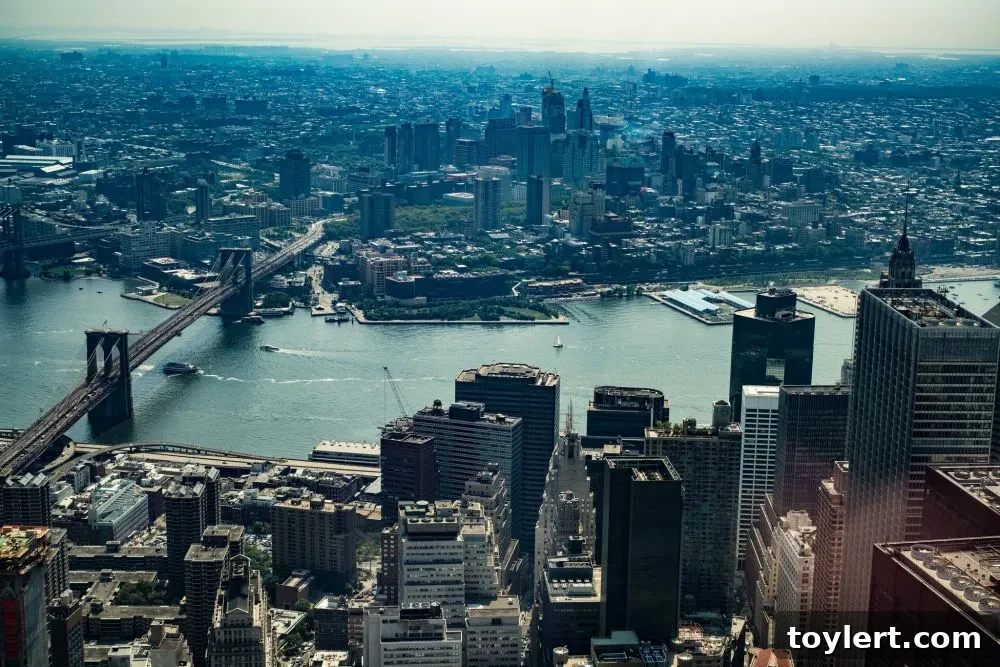
Photo by Lyle Vincent via Flickr