Brooklyn’s Dynamic Landscape: Navigating Real Estate Shifts, Cultural Vibrancy, and Community Evolution
Brooklyn, New York City’s most populous borough, stands as a testament to constant evolution. From its historic brownstones to its sprawling industrial waterfronts, Brooklyn is a tapestry woven with stories of relentless growth, profound change, and an enduring community spirit. This comprehensive article delves into various facets of Brooklyn’s multi-layered identity, exploring its relentlessly competitive real estate market, cherished cultural landmarks, significant community developments, and the persistent efforts to preserve its unique heritage. We’ll uncover how these diverse elements converge to shape a borough that is continuously redefining itself while fiercely holding onto its fundamental roots.
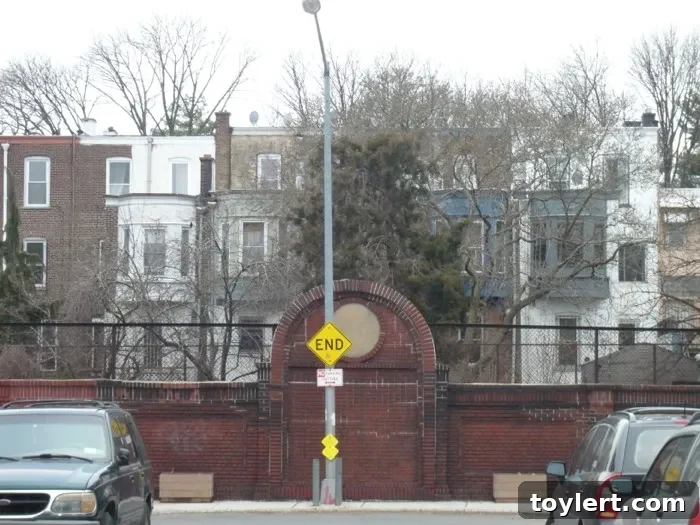
The accompanying image, depicting a scene that could be anywhere within Brooklyn’s diverse neighborhoods, serves as a visual reminder of the everyday urban landscape that forms the backdrop to these stories. It encapsulates the intrinsic blend of the historic and the contemporary, the mundane and the momentous, that singularly characterizes this extraordinary borough.
The Unstoppable Surge of Brooklyn’s Real Estate Market
The early 2010s marked a profoundly significant period of transformation for Brooklyn, particularly within its burgeoning real estate sector. During this time, the borough decisively solidified its reputation as one of the most sought-after and expensive locations in New York City, leading to unprecedented market activity and investment. A report from this era vividly highlighted that Brooklyn sales and rents reached record highs in the first quarter, underscoring a market characterized by intense competition, limited inventory, and rapidly appreciating values. This surge was not merely a fleeting trend but a clear reflection of deep-seated demand driven by a burgeoning population, increasing desirability among various demographics, and a perpetually constrained housing supply. The narrative of Brooklyn’s real estate during this period was undeniably one of exponential growth, where prospective buyers and renters often faced what was colloquially termed a “crazy tough market.”
Soaring Property Values and Strategic Investment Sales
This escalating demand translated directly into substantial property transactions and significant capital flows across the entire borough. For instance, a notable development saw the sale of the last building in a Southern Brooklyn portfolio for an impressive $31.5 million. Such high-value transactions were indicative of savvy investors and developers recognizing Brooklyn’s immense long-term potential, leading them to commit substantial capital to acquire assets in what was fast becoming one of the nation’s most dynamic and lucrative urban markets. These sales were not just about individual buildings; they represented a broader repositioning of Brooklyn as a prime investment destination, successfully drawing interest from both formidable local players and significant international entities alike.
Even properties with a more local character and community significance experienced the powerful ripple effects of this booming market. In the vibrant neighborhood of Red Hook, the building housing the popular Red Hook Bar Bait and Tackle was prominently listed for sale at $1.2 million. This specific example perfectly illustrates how the escalating property values extended even to established local businesses, presenting both unprecedented opportunities for owners looking to capitalize on their long-held assets and significant challenges for tenants facing potential displacement or steep rent increases. The sale of such community staples often sparks intense debates about the ongoing process of gentrification, the changing character of beloved neighborhoods, and the delicate balance between rapid urban development and the imperative of preserving local identity.
Cherishing Greenpoint’s Unique Housing Stock Amidst Rapid Change
Amidst the widespread real estate boom that swept through Brooklyn, certain neighborhoods managed to retain a distinct charm and drew particular attention for their unique appeal. Greenpoint, with its compelling blend of historic architecture and burgeoning modern developments, was often highlighted for its housing stock to cherish. This sentiment reflects a broader and deeply felt appreciation for Brooklyn’s architectural diversity, ranging from elegant pre-war walk-ups to meticulously preserved row houses and innovative new constructions. Greenpoint’s enduring appeal lay not just in its strategic proximity to Manhattan and its breathtaking waterfront views, but also in its strong community feel and the inherent character embedded within its buildings. However, even these cherished enclaves faced the relentless pressures of development, making diligent preservation efforts and thoughtful urban planning absolutely crucial to maintain their unique identity and historical integrity.
The ‘Next Brooklyn’ Phenomenon and Its Societal Implications
The intense growth and escalating prices in Brooklyn inevitably led to a widely discussed phenomenon often dubbed the “Brooklyn Backlash.” As the borough became increasingly unaffordable for many long-time residents, artists, and working families, the poignant question arose: Where is the next Brooklyn? This inquiry reflects a broader socio-economic trend where successful urban revitalization and gentrification often inadvertently push out the very communities and creative individuals who initially contributed to its vibrant appeal. The ongoing search for the “next Brooklyn” points to the continuous decentralization of creativity and affordability, as residents and businesses actively seek out new frontiers with lower costs and untapped potential, often in other boroughs or even entirely different cities. This ongoing and critical discussion highlights the complex interplay between rapid urban development, the forces of gentrification, and the perennial quest for authentic and affordable community spaces.
Celebrating Brooklyn’s Enduring Cultural and Community Spirit
Beyond the relentless pace of its real estate market, Brooklyn has always been, and continues to be, a vibrant hub of culture, proactive community action, and profound historical awareness. The borough’s diverse residents are deeply invested in preserving its unique character while simultaneously embracing and shaping its ongoing evolution.
Illuminating an Icon: The Kentile Floors Sign
A striking and poignant example of Brooklyn’s commitment to honoring its industrial past and celebrating its unique cultural identity is the beloved Kentile Floors sign in Gowanus. For many years, this iconic sign stood as a prominent beacon over the neighborhood, a powerful remnant of a bygone industrial era. The decision for the iconic Kentile Floors sign to illuminate for one night was far more than just a momentary spectacle; it was a powerful act of collective memory, community engagement, and celebration. It successfully brought together residents, dedicated preservationists, and talented artists to honor a landmark that profoundly symbolized Gowanus’s rich industrial heritage and its ongoing transformation into a dynamic mixed-use neighborhood. Such events powerfully underscore the deep emotional connection many Brooklynites have to their historical landscape, even as rapid development dramatically reshapes their surroundings.
A Farewell to a Community Pillar: Long Island College Hospital
The closure of significant institutions often leaves an indelible and profound impact on a community. The tearful goodbyes and a tribute to Long Island College Hospital staff marked the emotional end of an era for a vital healthcare provider that had steadfastly served the Brooklyn community for over 150 years. This somber event was not just about the tangible loss of a hospital; it was about the profound personal and collective impact on countless patients, dedicated healthcare workers, and the wider community who relied heavily on its essential services. The closure sparked widespread protests and highlighted critical issues surrounding healthcare access, urban development politics, and the ultimate fate of essential public services in a rapidly changing city. It powerfully demonstrated the strong community ties and the unwavering willingness of Brooklyn residents to actively fight for what they believe is vital for their collective well-being and future.
Celebrating Brooklyn’s Rich Literary Legacy
Brooklyn has long been a fertile ground for cultivating extraordinary literary talent, boasting a rich and storied history of acclaimed writers proudly calling its diverse neighborhoods home. To honor this esteemed tradition, initiatives like the Brooklyn Literary Pub Crawl gracefully emerged, aiming to raise a collective glass to local writers and enthusiastically celebrate the borough’s profound and lasting contributions to world literature. These engaging events not only provide an entertaining and enriching way for residents and visitors alike to explore Brooklyn’s unique literary heritage but also effectively foster a vital sense of community among avid readers and aspiring writers. They serve as a crucial reminder that Brooklyn’s celebrated cultural vibrancy extends far beyond its trendy cafes and acclaimed art galleries, being deeply rooted in the intellectual and creative pursuits that have significantly shaped its distinctive identity for generations.
Infrastructure, Development, and the Quest for Historical Preservation
Brooklyn’s ongoing growth is frequently a delicate and complex balance between ambitious new developments and the crucial preservation of its invaluable historical fabric. The decisions made regarding critical infrastructure and impactful land use have long-lasting and far-reaching effects on the borough’s future trajectory and character.
Redrawing Lines for the Atlantic Yards Development
The Atlantic Yards project, now widely known as Pacific Park, has been one of Brooklyn’s most ambitious, extensive, and, at times, controversial developments. Its sheer scale and profound impact on surrounding neighborhoods spurred intense and sustained community engagement and debate. A significant moment in its complex development saw Community Board 2 vote for district lines to be revised to encompass all of Atlantic Yards. This pivotal decision highlighted the intricate process of urban planning and the crucial, often underestimated, role of local community boards in shaping the trajectory of such large-scale projects. It reflects the ongoing struggle to ensure that new developments integrate effectively and harmoniously into existing urban landscapes, diligently addressing widespread concerns about infrastructure strain, public services adequacy, and the preservation of neighborhood character.
Unearthing History: The Atlantic Avenue Tunnel
Brooklyn’s rich past quite literally lies beneath its bustling streets, and passionate groups are often dedicated to unearthing, exploring, and meticulously preserving it. The spirited call for the Atlantic Avenue Tunnel to be reopened by a prominent Brooklyn historical group exemplifies this profound dedication. This tunnel, recognized as one of the oldest subway tunnels in the entire world, holds immense historical and engineering significance. Advocates passionately argue that its reopening would not only celebrate a unique piece of Brooklyn’s engineering and transportation history but also offer exciting new educational and tourism opportunities. It powerfully underscores the ongoing dialogue between relentless development and vital preservation, where historical assets are seen not merely as static relics, but as valuable, living resources that can profoundly enrich the present and shape the future of the borough.
Conclusion: Brooklyn’s Ever-Evolving Narrative
Brooklyn continues to be a borough defined by its vibrant contrasts and profound dynamism, where rapid real estate development coexists with deeply rooted community activism and an exceptionally rich cultural scene. From the soaring prices of its competitive housing market and the ongoing search for the “next Brooklyn” to the spirited efforts to preserve its iconic landmarks and historical sites, Brooklyn’s narrative is one of continuous change, resilient adaptation, and an unwavering, distinctive identity. The diverse stories encompassed in these reports — from record-breaking property sales and community battles over essential services to the heartfelt farewells at a beloved hospital and the enthusiastic celebration of literary heritage — paint a comprehensive and compelling picture of a borough in perpetual motion. It is this unique blend of relentless progress and diligent preservation, urbanity and local charm, that ensures Brooklyn remains one of the most fascinating, influential, and continually evolving urban centers in the world, perpetually inspiring, challenging, and captivating its residents and admirers alike.