From Fragmented Past to Grand Revival: Unveiling a Brooklyn Heights Row House Transformation
The Insider, Brownstoner’s highly acclaimed weekly feature, delves into the captivating world of renovation and interior design across the vibrant borough of Brooklyn. Expertly produced and meticulously written by Cara Greenberg, it offers readers unparalleled insights and inspiration, arriving every Thursday morning at 11:30.
The story of many Brooklyn row houses mirrors a common architectural tragedy of the 20th century. For decades, these stately 19th-century marvels, once symbols of luxurious single-family living, fell victim to economic pressures and changing urban demands. Our spotlight today falls on a magnificent brick row house nestled on State Street in Brooklyn Heights, a property that suffered what could only be described as an “ignominious treatment.” From its initial grandeur, this impressive 22’x40′ edifice was carved into four disparate floor-through apartments, a conversion that stripped away its very soul. Its elegant stoop, a hallmark of its original charm, was ruthlessly torn off; its gracefully proportioned parlor windows were unceremoniously shortened; and virtually every vestige of its exquisite interior detail was erased. This transformation left a shadow of its former self, a silent testament to a lost era of architectural craftsmanship and domestic elegance.
Rediscovering Brooklyn’s Architectural Heritage: The State Street Saga
Brooklyn Heights, with its tree-lined streets and panoramic views of the Manhattan skyline, is renowned for its exceptional collection of 19th-century row houses. These architectural gems, predominantly built in the Federal, Greek Revival, Italianate, and Neo-Grec styles, represent a golden age of urban dwelling. Characterized by their intricate cornices, elaborate stoops, soaring parlor-floor ceilings, and meticulously crafted interior millwork, they offered unparalleled luxury and spaciousness for the prosperous families who first inhabited them. However, the economic shifts of the early to mid-20th century brought significant challenges. As demand for more affordable urban housing soared, many of these grand single-family residences were subdivided into multiple apartments, a practice that, while practical at the time, often came at a severe cost to their architectural integrity. The row house on State Street was a prime example of this trend, its conversion leaving it severely compromised, a mere shadow of its stately past.
The process of splitting such a large, cohesive home into separate units was rarely sympathetic to its original design. Walls were erected with little regard for structural flow or natural light, original staircases were sometimes boxed in or removed, and vital architectural elements like fireplace mantels, plaster moldings, and ornate ceiling medallions were either covered over, crudely altered, or simply torn out. The exterior, too, often suffered, as seen with the State Street property’s missing stoop and shortened parlor windows – modifications that dramatically altered its facade and diminished its street presence. These changes, while functional for their time, created a fragmented interior experience and an exterior that no longer spoke of its inherent elegance. The challenge for any subsequent owner would be immense: to reverse decades of unsympathetic alterations and painstakingly restore the house to its rightful place as a cohesive and luxurious single-family dwelling.
The Vision: Restoring Grandeur to a Neglected Brownstone
When new homeowners acquired the State Street row house, they weren’t merely buying a property; they were embarking on a mission of historical reclamation. Their vision was clear: to undo the indignities of the past century and transform the fragmented four-unit structure back into a magnificent single-family residence, while simultaneously integrating the comforts and conveniences of modern living. This was no small feat. The journey from a chopped-up apartment building to a unified, elegant home required not only significant financial investment but also an unwavering commitment to historical accuracy, meticulous planning, and exceptional craftsmanship. The task involved a complex dance between demolition and reconstruction, a process of peeling back layers of ill-conceived alterations to reveal the underlying historical fabric.
The architectural team, specializing in historic Brooklyn brownstone renovation, faced a daunting list of challenges. Structurally, the house needed a complete overhaul. Walls that had once divided the apartments needed to be carefully removed, often requiring the insertion of new structural supports to ensure the building’s integrity. Mechanical systems—plumbing, electrical, and HVAC—were outdated and inadequate for a modern single-family home and had to be entirely replaced. Perhaps the most significant aesthetic challenge was the reinstatement of the lost architectural details. This involved extensive research into period-appropriate designs, sourcing salvaged materials, and commissioning custom millwork to recreate the moldings, wainscoting, and fireplace surrounds that once graced its rooms. The goal was to create a seamless blend of historical authenticity and contemporary functionality, crafting a home that honored its past while embracing the demands of 21st-century family life.
Reclaiming the Exterior: A Facade Reborn
The exterior of a Brooklyn row house is its public face, a crucial element in establishing its character and contributing to the streetscape. For the State Street house, the exterior restoration began with the most glaring missing piece: the stoop. Historically, the stoop served as more than just an entrance; it was a social space, a transitional element between the public street and the private home. Rebuilding it required careful research into historical precedents for the neighborhood, ensuring its design, scale, and materials—typically brownstone or bluestone—were perfectly aligned with the house’s 19th-century origins. This meticulous reconstruction brought back not only a functional entrance but also a vital architectural component that instantly elevated the home’s presence and historical credibility.
Equally critical was the restoration of the parlor windows. Shortened during the apartment conversion, they had diminished the elegance of the primary living space and disrupted the facade’s symmetry. The restoration involved expanding the window openings back to their original, grand proportions. This allowed for the installation of new, historically appropriate windows, often featuring tall, slender panes that flood the parlor floor with natural light, just as they would have in the 19th century. Beyond these major elements, the facade received extensive care, including expert brick cleaning to remove layers of grime and paint, repointing the mortar joints, and repairing any damaged brickwork. The cornices and other decorative elements were meticulously restored, returning the exterior to its original splendor and making it a proud contributor to Brooklyn Heights’ architectural tapestry.
Interior Transformation: From Fragmentation to Flow
Reconfiguring the Floor Plan for Modern Living
The greatest interior challenge was undoubtedly the complete re-imagining of the floor plan. The original structure, designed for a single family, had been contorted into four distinct apartments, each with its own kitchen and bathroom, and often cramped living areas. The renovation stripped away these divisions, allowing the architects to restore the generous proportions and logical flow that characterize a grand row house. The parlor floor, traditionally the most formal space, was reinstated as an expansive area for entertaining, often encompassing a grand living room at the front and a formal dining room at the rear, connected by a wide, welcoming hall. The garden level, once a basement or utility space, was transformed into a vibrant heart of the home, featuring a spacious eat-in kitchen, a comfortable family room, and direct access to a private garden. Upper floors were thoughtfully designed to accommodate multiple bedrooms, luxurious bathrooms, and private studies, creating serene retreats for family members. This thoughtful reorganization breathed new life into the house, ensuring every square foot served a purpose while enhancing the sense of openness and connectivity.
Reinstating Lost Period Details: A Nod to History
The soul of a 19th-century row house lies in its intricate period details. After decades of being stripped away, covered, or simply forgotten, the reinstatement of these elements was paramount. Craftsmen meticulously recreated or restored plaster moldings, ceiling medallions, and ornate fireplace mantels, often referencing old photographs or surviving examples in neighboring homes. Door casings and window surrounds were carefully matched to the original styles, and new wide-plank hardwood floors, laid in period-appropriate patterns, replaced the worn-out flooring of the apartments. This dedication to detail extended to every corner, from the substantial baseboards to the elegant newel posts of the central staircase, which often served as the home’s architectural centerpiece. The sourcing of salvaged architectural elements played a crucial role, allowing genuine historical pieces to find a new home and contribute to the authenticity of the renovation. The commitment to historical fidelity ensured that the revived interiors possessed the rich character and timeless beauty that define Brooklyn’s most cherished homes.
Integrating Modern Amenities with Seamless Style
While the goal was to restore historical grandeur, the renovation also aimed to create a home that was eminently comfortable and functional for contemporary life. This meant seamlessly integrating state-of-the-art amenities without detracting from the historic aesthetic. Modern kitchens were designed as culinary havens, equipped with high-end appliances, custom cabinetry, and durable, elegant countertops, all while harmonizing with the surrounding period details. Bathrooms were transformed into luxurious sanctuaries, featuring contemporary fixtures, stylish tiling, and thoughtful layouts that maximized comfort and efficiency. Crucially, all new mechanical systems—including high-efficiency heating and air conditioning, modern electrical wiring, and updated plumbing—were subtly incorporated, often hidden behind walls or within custom millwork, ensuring optimal performance without compromising the visual integrity of the historic spaces. The result is a home that offers the best of both worlds: the enduring charm of the 19th century coupled with the effortless convenience and comfort of the 21st.
Design Philosophy: A Harmonious Blend of Eras
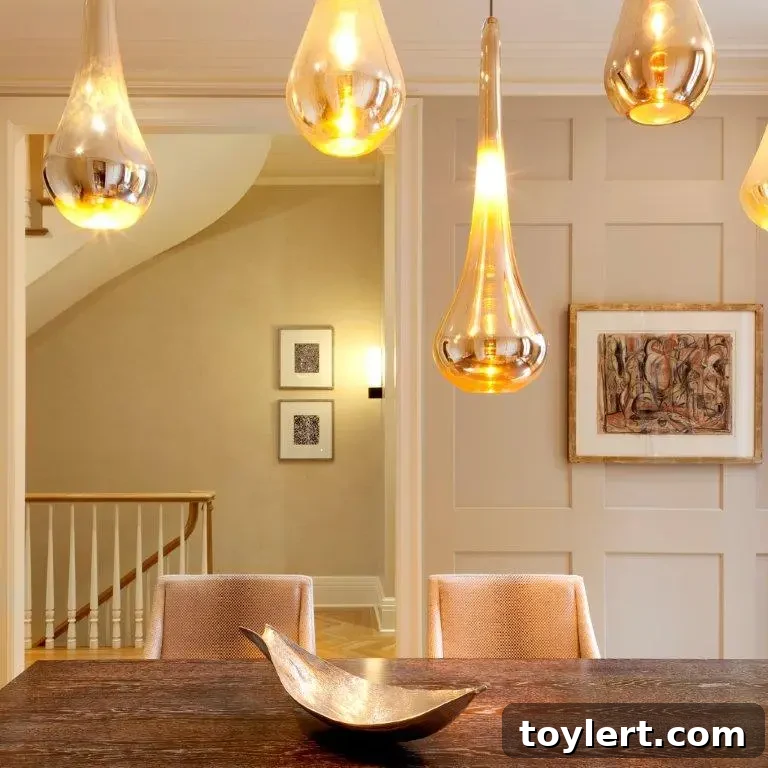
The interior design strategy for the State Street row house was a masterclass in blending eras. Rather than a rigid adherence to a single historical period, the approach embraced a sophisticated dialogue between the past and the present. This meant carefully selecting furnishings that could converse across centuries: antique pieces with rich histories found their place alongside custom-designed contemporary furniture, creating a layered and deeply personal aesthetic. Color palettes were chosen to enhance the natural light and architectural details, often favoring nuanced tones that offer both warmth and sophistication. Textures, from plush velvets to raw linens and polished woods, were layered to add depth and tactile interest. The elegant dining room, visible in our featured image, perfectly encapsulates this philosophy, showcasing a formal setting that feels both historically rooted and utterly relevant today.
Lighting played a pivotal role in creating ambiance and highlighting the restored architectural features. Period-appropriate chandeliers and sconces were thoughtfully integrated with discreet recessed lighting and modern task lighting, ensuring every space was beautifully illuminated for various functions. Art and decor were curated to reflect the homeowners’ tastes, adding individual character without overwhelming the home’s inherent elegance. The overall effect is a residence that feels both grand and intimate, formal yet inviting. It’s a testament to a design philosophy that respects the integrity of a historic structure while allowing it to evolve into a vibrant, modern home perfectly suited for a discerning Brooklyn family.
The Transformed Residence: A New Chapter on State Street
Today, the brick row house on State Street stands as a triumphant example of what passion, vision, and expert craftsmanship can achieve. It has emerged from its fragmented past, fully restored to its rightful place as a magnificent single-family home. The transformation is profound: where there were once four disconnected apartments, there is now a cohesive, expansive residence that flows seamlessly from one grand space to the next. The stoop once again greets visitors with stately elegance, the parlor windows flood the interiors with light, and the restored architectural details whisper stories of a bygone era. This house is more than just a renovation; it is an act of architectural preservation, breathing new life into a piece of Brooklyn’s rich history.
For the homeowners, this revitalized residence offers an unparalleled living experience, combining the spaciousness and historical charm of a 19th-century brownstone with all the modern amenities required for a comfortable, contemporary lifestyle. It stands as a beacon of meticulous restoration, inspiring others to reclaim and celebrate the enduring beauty of historic Brooklyn properties. The journey of transforming “four into one” on State Street is a powerful reminder that with thoughtful design and dedicated effort, even the most neglected architectural treasures can be brought back to their glorious prime. And it is precisely these stories of renovation and interior design that The Insider, penned by Cara Greenberg for Brownstoner, is dedicated to bringing to its eager readership every Thursday, celebrating the ingenuity and artistry that continue to shape Brooklyn’s unique urban landscape.