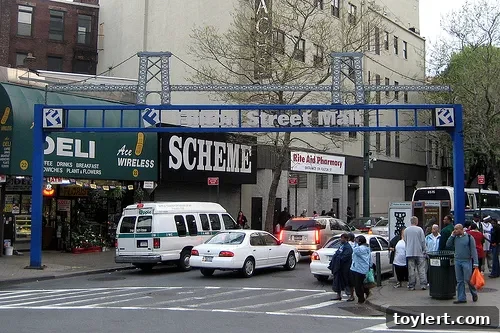
The Transformative Evolution of Fulton Mall: A New Chapter for Downtown Brooklyn Retail
Downtown Brooklyn’s Fulton Mall, a bustling artery of commerce and culture, is undergoing a profound transformation. What was once predominantly a corridor for independent “mom ‘n’ pop” shops and local jewelers is rapidly evolving into a magnet for prominent national retailers. This shift signifies more than just new storefronts; it represents a reimagining of the district’s identity, sparking conversations about economic development, community impact, and the very essence of urban revitalization.
A New Era for Fulton Street: The Influx of National Brands
The landscape of Fulton Mall is being redefined by the arrival of major national players. Retail giants like H&M, known for its fast fashion, and discount department stores such as Century 21 and T.J. Maxx, have established a significant presence. These additions promise a wider array of consumer choices and a potentially more competitive retail environment. The latest significant entry into this revitalized district is the renowned furniture chain Raymour & Flanigan, which is slated to open an expansive 28,000-square-foot showroom at 490 Fulton Street. This substantial investment by such a prominent retailer underscores a growing confidence in Downtown Brooklyn’s commercial viability and its potential as a prime shopping destination.
The shift from localized businesses to large-scale national chains marks a pivotal moment for Fulton Mall. For decades, the area thrived on the unique offerings of independent sellers, from sneaker boutiques to specialty jewelry stores, serving a diverse local clientele. While these local establishments contributed significantly to the area’s distinctive character, the arrival of national brands is seen by many as a necessary step towards modernizing the shopping experience and attracting a broader consumer base, including those from higher income brackets and surrounding neighborhoods. This transformation aims to elevate Fulton Mall’s status as a regional shopping hub, drawing visitors and spending from across Brooklyn and beyond.
A Glimpse into the Past: Reclaiming Fulton Street’s Legacy
For proponents of these changes, the transformation of Fulton Mall isn’t merely a commercial upgrade; it’s viewed as a return to the area’s foundational character. Brooklyn borough president Marty Markowitz articulated this perspective, suggesting that the current evolution mirrors a historical blueprint. “In the late 1950s and early 1960s, Fulton Street was a retail environment for people of low income, people of middle income and people of high income,” Markowitz was quoted as saying. This historical context suggests a period where Fulton Street genuinely reflected Brooklyn’s socio-economic diversity, offering something for everyone.
His commentary highlights a perceived deviation from this ideal in the intervening years: “Then, over the last many years, Fulton Street no longer offered a shopping environment that represented Brooklyn’s diversity.” This indicates a period where the retail offerings may have narrowed, potentially catering more exclusively to specific segments of the population. The current wave of national retailers, therefore, is interpreted as a “going back to the future,” an endeavor to restore a more inclusive and varied shopping experience that once defined the street. This narrative frames the changes not as an erasure of history, but as a reclaiming of a more vibrant and comprehensive commercial heritage, ensuring that the shopping district once again serves the full spectrum of Brooklyn’s residents and visitors.
The Debate: Revitalization vs. Displacement
While the influx of national retailers and the rhetoric of returning to a diverse past are largely positive, these changes are not without their complexities and criticisms. The debate surrounding Fulton Mall’s evolution often centers on the tension between urban revitalization and the potential for displacement. This dynamic interplay of progress and preservation is a common theme in rapidly developing urban areas, and Fulton Mall provides a compelling example of these competing forces at play.
Economic Benefits and Opportunities
The arrival of large retail chains brings several tangible economic advantages that can significantly uplift the entire Downtown Brooklyn area. These include:
- Increased Investment: National brands typically entail significant financial investment in state-of-the-art store build-outs, infrastructure improvements, and long-term leases, injecting substantial capital directly into the local economy. This investment can spur further development and modernize the commercial infrastructure.
- Job Creation: New stores generate a wide range of employment opportunities, from sales associates and customer service roles to management positions and logistical support. These jobs can benefit local residents, contribute to reduced unemployment rates, and provide pathways for career growth within the retail sector.
- Enhanced Consumer Experience: A broader selection of goods and services, often at competitive prices due to economies of scale, can attract more shoppers to the area. This increased foot traffic not only benefits the new national stores but can also provide a halo effect for remaining local businesses and adjacent establishments.
- Tax Revenue Growth: Increased sales volume from popular national retailers, coupled with rising property values driven by new investments, contribute to higher tax revenues for the city. These funds can then be reinvested into essential public services, improved infrastructure, and community development projects.
- Neighborhood Attractiveness: A robust, modern, and diverse retail landscape can make Downtown Brooklyn significantly more appealing to new residents, businesses looking to relocate, and tourists. This increased attractiveness fosters broader economic growth and enhances the area’s reputation as a dynamic urban center.
Community Concerns and the Question of Displacement
Conversely, the rapid transformation of Fulton Mall raises legitimate concerns, particularly regarding the welfare of existing communities and long-standing small businesses. These concerns highlight the social costs that can accompany large-scale urban development:
- Displacement of Small Businesses: The higher rents, increased competition, and stringent operational demands brought by large chains often make it difficult for long-standing independent shops to survive. Many are forced to close or relocate, leading to a significant loss of the unique local character and entrepreneurial spirit they contributed.
- Affordability for Lower-Income Shoppers: While some national discount stores offer affordable options, the overall trend towards higher-end retail can lead to an increase in prices for certain goods and services across the district. This shift can potentially alienate lower-income shoppers who relied on the previous, more specialized and budget-friendly local economy.
- Loss of Local Identity: As more national brands move in, the distinct cultural and economic identity built by local entrepreneurs over decades can diminish. This often results in a more homogenized urban environment, where unique storefronts and locally sourced products are replaced by chain stores found in any major city.
- Gentrification Concerns: The retail transformation is frequently a precursor or a consequence of broader gentrification processes, where rising property values and increased costs of living push out long-term residents and businesses. This can fundamentally alter the demographic and socio-economic fabric of the community.
- Accessibility Issues: The focus on attracting a broader, often more affluent, consumer base through national chains might inadvertently neglect the specific needs and preferences of the immediate local community. This could lead to a lack of access to niche products or specialized services that were previously provided by local businesses.
Navigating the Future: Balancing Progress and Preservation
The dynamic changes at Fulton Mall represent a microcosm of broader urban development trends across major cities worldwide. The challenge lies in finding a delicate balance between fostering robust economic growth and preserving the unique cultural and social fabric of a community. Developers, city planners, and community leaders are tasked with creating a retail environment that is both economically vibrant and socially inclusive. For Fulton Mall, this means striving to maintain its accessibility and appeal to all income levels, just as it reportedly did decades ago, while embracing the opportunities presented by new investments and modern consumer demands.
The ongoing evolution of Fulton Mall serves as a crucial case study in urban planning and retail adaptation. It highlights the constant negotiation between past legacies and future aspirations, local needs and global market forces. As new stores open and the street continues to evolve, the conversation about what constitutes “diversity,” “progress,” and “community benefit” in a thriving urban center will undoubtedly continue to shape its future. Ultimately, the success of Fulton Mall’s transformation will be measured not just by its economic output, but by its ability to remain a welcoming and accessible destination for all of Brooklyn’s diverse population.
Frequently Asked Questions About Fulton Mall’s Transformation
- What is Fulton Mall, and where is it located?
- Fulton Mall is a major pedestrian and shopping thoroughfare located in Downtown Brooklyn, New York City. It stretches along Fulton Street and is a central hub for retail, transportation, and commerce in the borough, known for its historical significance as a commercial district.
- What kind of changes are happening at Fulton Mall?
- The primary change involves a significant influx of national retail chains, such as H&M, Century 21, T.J. Maxx, and Raymour & Flanigan, increasingly replacing many of the independent local businesses that historically dominated the area. This represents a shift towards a more corporate retail landscape.
- Why are these changes considered a “return to original character”?
- According to local politicians and developers, Fulton Street historically catered to a diverse range of income levels in the mid-20th century, offering a comprehensive shopping experience. The arrival of national retailers is seen as an effort to restore this broader appeal and diversity, making it a shopping destination for everyone in Brooklyn, much like its golden age.
- What are the potential benefits of this retail transformation?
- Benefits include increased economic investment, the creation of new job opportunities for residents, a wider selection of goods and competitive pricing for consumers, growth in tax revenues for the city, and enhanced overall attractiveness for Downtown Brooklyn as a vibrant urban center.
- What are the main concerns associated with these changes?
- Concerns primarily revolve around the displacement of long-standing local businesses that cannot compete with larger chains, potential loss of the area’s unique cultural identity, affordability challenges for lower-income shoppers, and broader issues related to gentrification that may alter the community’s demographic and economic fabric.
References:
National Retailers Discover a Brooklyn Mall [NY Times]
Photo by wallyg