Revitalizing Downtown Brooklyn: The Major Transformation of 10 MetroTech Center
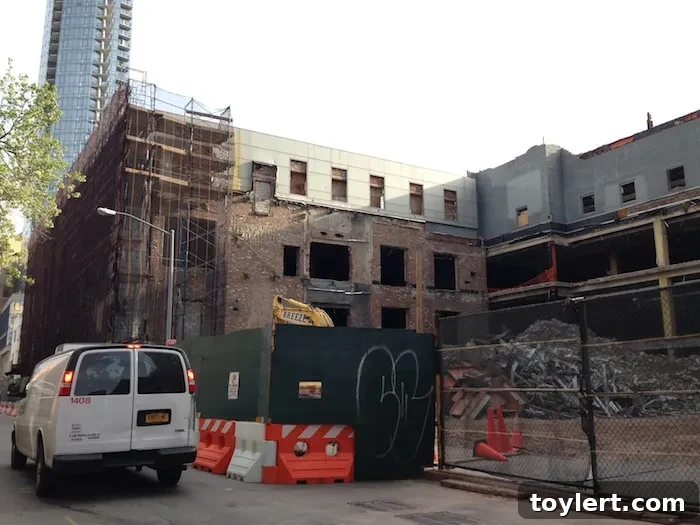
A significant transformation is currently unfolding in the heart of Downtown Brooklyn, as demolition efforts are well underway at the iconic 10 MetroTech Center. This pivotal site, once a cornerstone of the borough’s commercial landscape, is now being systematically deconstructed, signaling a monumental shift towards a new residential future. The sight of the Dekalb side of the building reduced to rubble is a powerful visual testament to the dynamic evolution of one of New York City’s most vibrant urban centers.
From Commercial Hub to Residential Oasis: The Vision for 10 MetroTech Center
The extensive 359,000-square-foot building at 10 MetroTech Center, which has served various commercial purposes for decades, is slated for a complete overhaul. The ambitious plan involves replacing the existing structure with modern apartments, addressing the ever-growing demand for housing in this highly sought-after area. While specific new building permits are yet to be publicly filed, the clear intention to transition from office space to residential living underscores a broader trend reshaping urban environments across the country, particularly in prime locations like Downtown Brooklyn.
This conversion represents more than just a change in building function; it’s a strategic response to the evolving needs of the city. Downtown Brooklyn has experienced an unprecedented residential boom over the past two decades, attracting a diverse population drawn to its vibrant cultural scene, excellent transportation links, and increasing array of amenities. The proposed residential development at 10 MetroTech Center will contribute significantly to the housing stock, offering new opportunities for individuals and families seeking to embrace the dynamic lifestyle of this thriving borough.
A Legacy of Development: Forest City Ratner’s Impact on Brooklyn
The property at 625 Fulton Street, encompassing the site of 10 MetroTech Center, boasts a rich history intertwined with the formidable legacy of Forest City Ratner. This prominent developer, now largely operating under Brookfield Properties, acquired the 1960s-era property way back in 1989. For decades, Forest City Ratner played an instrumental role in shaping the modern face of Brooklyn, spearheading numerous large-scale projects that redefined its skyline and economic vitality. Their vision was critical in establishing MetroTech Center itself as a major office and academic complex, attracting corporations and educational institutions to what was once a declining commercial district.
The decision to transform 10 MetroTech into residential units reflects an adaptive strategy, evolving with the market demands and urban planning philosophies that prioritize mixed-use developments. This adaptability is a hallmark of Forest City Ratner’s (and now Brookfield Properties’) approach, consistently anticipating future trends and executing projects that align with the long-term growth of the communities they serve. Their enduring presence and influence in Brooklyn underscore the long-term strategic planning that goes into such monumental urban renewal projects.
The Historical Layers of 625 Fulton Street: From Sweets to Skyscrapers
Before its tenure as a modern office building within the MetroTech complex, the site at 625 Fulton Street held a different kind of charm. Originally, it was home to a 1960s-era candy factory, a sweet testament to Brooklyn’s industrial past. This historical layer adds another dimension to the ongoing redevelopment. The transformation from a confectionery production facility to a corporate office space, and now to future residential units, illustrates the relentless cycle of urban change and adaptive reuse that characterizes New York City’s built environment. Each iteration of the building reflects the economic and social shifts of its era, from manufacturing prowess to a burgeoning corporate presence, and now to a dense, amenity-rich residential hub.
Understanding this historical context provides valuable insight into the profound impact of urban planning initiatives like MetroTech Center. The conversion of industrial spaces into commercial or residential properties is a common narrative in many revitalized urban areas, and 625 Fulton Street stands as a prime example of this continuous metamorphosis, echoing Brooklyn’s journey from an industrial powerhouse to a diverse, contemporary urban center.
MetroTech Center: A Beacon of Downtown Brooklyn’s Revival
The broader MetroTech Center itself is a fascinating case study in urban revitalization. Conceived in the late 1980s and developed throughout the 1990s, it was designed as a bold initiative to breathe new life into Downtown Brooklyn. The vision was to create a modern, high-tech office park that would attract major corporations and institutions, thereby diversifying Brooklyn’s economy and stemming the tide of businesses leaving for Manhattan or other locales. Key tenants over the years have included JPMorgan Chase, New York University Tandon School of Engineering, and the New York City Fire Department headquarters, among others.
The creation of MetroTech brought thousands of jobs and significant economic investment to Downtown Brooklyn. It transformed a historically underdeveloped and sometimes overlooked area into a vibrant professional and academic hub. However, as urban dynamics evolve, so too must the built environment. The current demolition at 10 MetroTech Center is indicative of the latest phase of this evolution: a move towards greater residential integration within what was once a predominantly commercial district, creating a truly mixed-use urban fabric that functions beyond conventional 9-to-5 working hours.
Downtown Brooklyn’s Unstoppable Urban Transformation
The redevelopment of 10 MetroTech Center is not an isolated event but rather a significant chapter in Downtown Brooklyn’s larger narrative of unstoppable urban transformation. Over the past two decades, this district has undergone a dramatic metamorphosis, shedding its image as merely a place for government offices and courthouses. It has emerged as a dynamic, live-work-play neighborhood, attracting a diverse demographic of residents, businesses, and cultural institutions.
This revitalization has been fueled by massive investments in infrastructure, the development of luxury high-rise residential towers, and the influx of new retail, dining, and entertainment options. Areas like Fulton Street, once primarily a commercial artery, are now bustling with activity around the clock. The presence of cultural institutions such as the Brooklyn Academy of Music (BAM), extensive public transit connections, and a strong sense of community have solidified Downtown Brooklyn’s status as one of New York City’s premier destinations. The addition of more residential capacity at 10 MetroTech will further intensify this vibrancy, contributing to a denser, more integrated urban environment.
Addressing Housing Demands and Shifting Market Trends
The decision to convert 10 MetroTech Center into apartments directly addresses Brooklyn’s intense housing demand. The borough has consistently ranked among the most competitive real estate markets in the nation, driven by a growing population, an influx of tech and creative industries, and a persistent appeal to those seeking a unique urban experience outside of Manhattan. High-quality, well-located apartments are particularly coveted, and developments like the one planned for 10 MetroTech offer crucial supply to a market in constant need.
Market trends clearly indicate a preference for amenity-rich urban living, with residents desiring convenience, accessibility, and a vibrant community atmosphere. New residential developments often incorporate state-of-the-art facilities, green spaces, and retail components that enhance the overall quality of life for their inhabitants. The planned apartments at 10 MetroTech are expected to meet these modern expectations, further solidifying Downtown Brooklyn’s reputation as a prime residential destination.
The Future Landscape of Fulton Street: A More Dynamic Thoroughfare
The redevelopment will undoubtedly have a profound impact on the landscape and character of Fulton Street. This bustling thoroughfare, a commercial spine for generations, is evolving rapidly. The introduction of more residential buildings will bring an increased number of residents directly onto the street, fostering a more continuous pedestrian presence and potentially encouraging a greater diversity of local businesses. This shift can transform Fulton Street into an even more dynamic and engaging environment, blending commercial activity with residential life in a harmonious way.
Expect to see changes in retail offerings, public spaces, and the overall street-level experience. As more people live in the immediate vicinity, local services, restaurants, and entertainment venues are likely to flourish, creating a self-sustaining urban ecosystem. This transformation will reinforce Fulton Street’s role not just as a shopping destination, but as a genuine neighborhood artery that serves the daily needs and leisure pursuits of its residents.
Sustainable Development and Community Impact Considerations
Large-scale urban redevelopment projects like 10 MetroTech Center inevitably raise questions about sustainable development and community impact. Modern construction practices increasingly emphasize eco-friendly designs, energy efficiency, and the integration of green spaces. While specific details for this project are still emerging, future apartment buildings in Downtown Brooklyn are typically designed with sustainability in mind, aiming to reduce their environmental footprint.
Furthermore, the increased residential density will necessitate careful consideration of community infrastructure, including schools, parks, and public services. Thoughtful urban planning ensures that growth is managed effectively, maintaining a high quality of life for both new and existing residents. The continuous dialogue between developers, city planners, and community stakeholders is crucial in balancing progress with preservation and ensuring that the benefits of redevelopment are shared broadly across the neighborhood.
A Symbol of Brooklyn’s Enduring Evolution
The ongoing demolition and subsequent redevelopment of 10 MetroTech Center stand as a powerful symbol of Brooklyn’s enduring capacity for evolution and growth. It represents a forward-looking vision for Downtown Brooklyn, one that embraces its rich history while vigorously building towards a future defined by vibrant mixed-use communities. As the dust settles and new structures rise, this iconic site will once again contribute to the ever-changing narrative of one of the world’s most dynamic urban landscapes, proving that Brooklyn continues to redefine itself with each passing era.
For more insights into this significant urban transformation, readers can refer to earlier reports on the project’s initial stages:
MetroTech Office Space to Make Way for Apartments [Brownstoner]