Brooklyn’s Ever-Evolving Landscape: A Deep Dive into Recent News and Developments
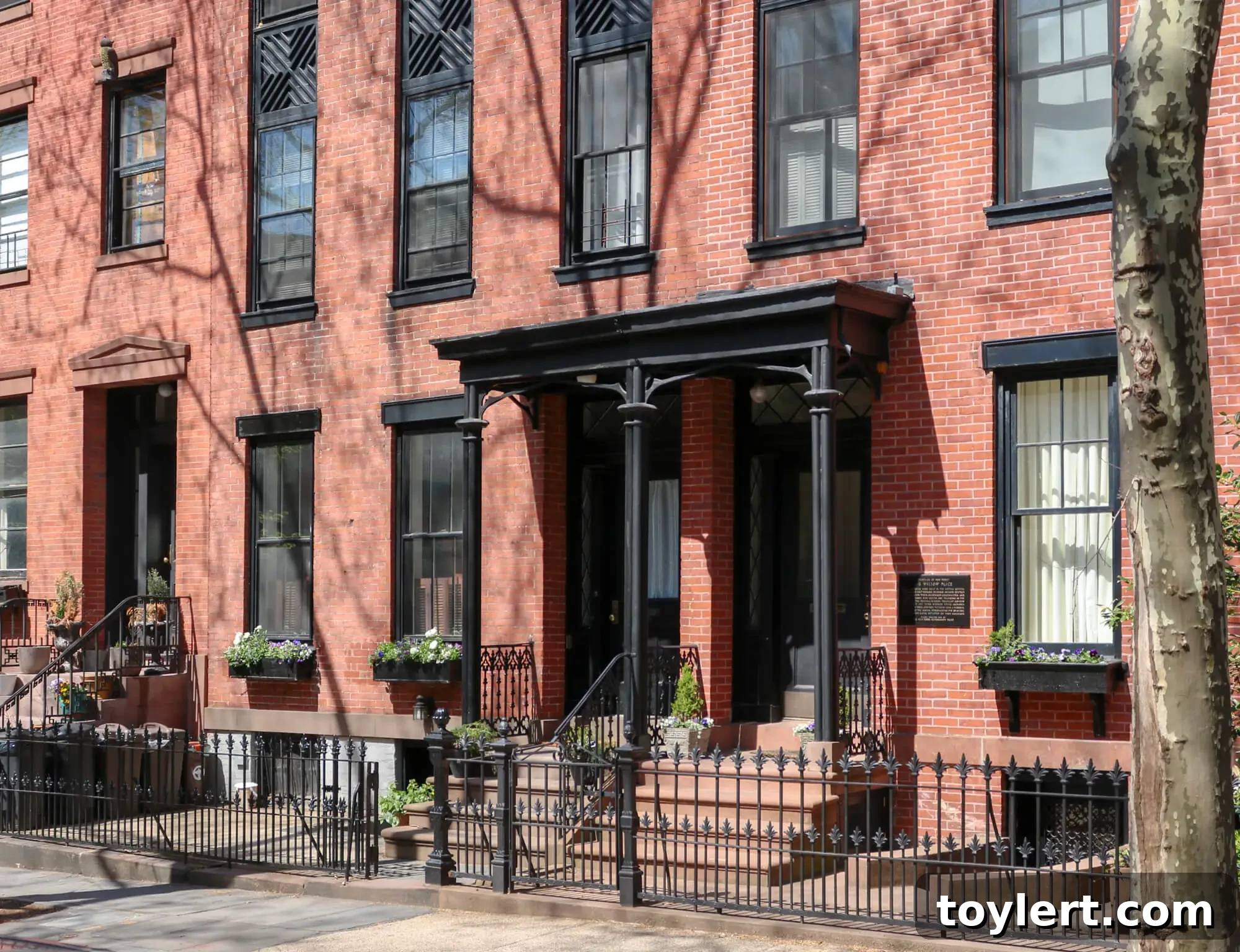
Brooklyn stands as a vibrant mosaic of communities, cultures, and constant evolution, a borough perpetually reinventing itself while honoring its rich heritage. From the bustling waterfront parks to the tree-lined streets of its historic neighborhoods, and from innovative business ventures to critical discussions on identity and urban planning, Brooklyn is always at the forefront of urban transformation. Staying abreast of the latest developments offers invaluable insight into the forces shaping this iconic New York City borough. This overview compiles significant news and offers a broader perspective on the trends driving Brooklyn’s dynamic growth and ongoing conversations.
Brooklyn in Focus: Unpacking the Latest News and Developments
The past few weeks have illuminated various facets of Brooklyn’s intricate development, highlighting key projects, business expansions, community concerns, and cultural narratives. These stories collectively paint a picture of a borough grappling with growth, preserving identity, and forging new futures.
-
Unlocking the Potential: The Future of Brooklyn Bridge Park
The conversation around the last undeveloped piece of Brooklyn Bridge Park, as highlighted by the Brooklyn Eagle, sparks significant discussion about urban planning, public space, and community needs. This final parcel represents not just real estate, but a pivotal opportunity to enhance one of New York City’s most cherished waterfront parks. The “endless possibilities” evoke debates over how best to balance recreational areas with potential commercial or residential uses, ensuring that any development aligns with the park’s ethos of accessibility and public enjoyment. The decisions made regarding this site will have lasting implications for the park’s functionality, aesthetic, and its role as a vital urban oasis, potentially shaping how similar public spaces are envisioned and managed in the future across other major metropolitan areas. Community engagement and transparent planning will be crucial to defining its next chapter, ensuring it continues to serve the diverse populations that call Brooklyn home and those who visit its shores.
-
Sahadi’s Legacy Grows Beyond Brooklyn Heights
A beloved Brooklyn institution, Sahadi’s, recently debuted a new logo, signaling its expansion beyond its traditional Brooklyn Heights roots. This move, reported by the Brooklyn Paper, reflects a broader trend of legacy businesses adapting and growing in a changing urban landscape. Sahadi’s, known for its incredible array of Middle Eastern goods, spices, and prepared foods, has been a cornerstone of its community for generations. Its expansion not only brings its unique offerings to new neighborhoods but also signifies the resilience and adaptability of local businesses in a competitive market. The rebranding effort, alongside physical expansion, demonstrates a strategic approach to maintaining relevance and attracting new customers while honoring the rich history and authentic flavors that have defined it for decades. This story is a testament to how local enterprises can flourish and evolve, becoming even more integral to Brooklyn’s diverse culinary and commercial fabric.
-
Dumbo’s Retail Renaissance: J.Crew Joins Empire Stores
The opening of a J.Crew shop at Empire Stores in Dumbo, as reported by Commercial Observer, underscores Dumbo’s transformation into a premier retail and commercial destination. Empire Stores, a meticulously redeveloped complex of historic warehouses along the waterfront, has become a symbol of Brooklyn’s ability to blend industrial heritage with contemporary luxury. The arrival of a well-known national brand like J.Crew further solidifies Dumbo’s appeal to both high-end shoppers and tourists. This development is indicative of a wider trend where revitalized industrial zones are attracting significant investment, drawing in a mix of creative industries, upscale dining, and retail establishments. It reflects Dumbo’s growing prominence as a cultural and commercial hub, contributing to job creation and enhancing the overall visitor experience in one of Brooklyn’s most picturesque neighborhoods. The ongoing success of such adaptive reuse projects highlights sustainable development practices in urban centers.
-
The Ever-Debated Question: Who Gets to Be “Brooklyn Born”?
The thought-provoking piece from The Paris Review, “Who Gets to Be “Brooklyn Born”?”, delves into the complex and often sensitive topic of identity, belonging, and gentrification in Brooklyn. This question resonates deeply within a borough that has experienced profound demographic and economic shifts over the past few decades. It explores the tension between long-time residents and newer arrivals, questioning what it truly means to belong to a place that is constantly reinventing itself. The article touches on themes of cultural authenticity, the impact of rising housing costs, and the changing face of neighborhoods. It’s a critical discussion that reflects broader anxieties about urban development, displacement, and the preservation of community character. Such cultural commentary is vital for understanding the human element of Brooklyn’s transformation and fosters a necessary dialogue about inclusivity and the future direction of its diverse communities. It encourages residents to reflect on their own connections to the borough and the evolving narrative of what makes one a “true” Brooklynite.
-
Envisioning Cross-Borough Connectivity: The Newtown Creek Bridge Proposal
The proposal for a floating Newtown Creek Bridge, connecting Brooklyn and Queens, as reported by Patch, signifies an ambitious vision for enhancing inter-borough transportation and pedestrian access. Newtown Creek, an industrial waterway, has historically been a barrier between these two rapidly developing boroughs. A new bridge, particularly one designed to be floating, suggests innovative approaches to infrastructure challenges and a commitment to improving connectivity for commuters, cyclists, and pedestrians. Beyond its functional benefits, such a project could stimulate economic activity in adjacent areas and foster greater social and cultural exchange between Brooklyn and Queens. It also brings into focus environmental considerations and the revitalization efforts along Newtown Creek, a waterway with a complex industrial past. The discussion around this bridge highlights the continuous need for modern infrastructure solutions that support sustainable urban living and facilitate seamless movement across New York City’s expansive landscape.
-
WeWork’s Architectural Statement at Brooklyn Navy Yard
The unveiling of WeWork’s Brooklyn Navy Yard home, featuring its glassy, terraced facade, marks a significant milestone in the revitalization of the historic Navy Yard. As reported by Curbed, the Dock 72 building is not just a co-working space but a symbol of modern design meeting industrial heritage. This project underscores the growing trend of transforming former industrial sites into dynamic hubs for technology, innovation, and creative industries. WeWork’s substantial presence in the Navy Yard is expected to attract numerous businesses and professionals, further boosting the local economy and establishing the area as a thriving center for entrepreneurial activity. The architectural design itself, with its striking glass and terraced structure, speaks to contemporary urban aesthetics and the integration of indoor and outdoor spaces, reflecting a new paradigm for workplace environments. It’s a testament to Brooklyn’s appeal as a locus for cutting-edge development and its ability to blend history with forward-thinking design.
-
Williamsburg’s French-Inflected Townhouse Renovation: A Design Story
A fascinating glimpse into Brooklyn’s residential aesthetics is offered by Remodelista, showcasing a French-inflected townhouse renovation in Williamsburg. This before-and-after feature highlights the meticulous craft and vision involved in transforming historic Brooklyn homes for contemporary living. Such renovations are not merely about updating spaces; they are about preserving architectural integrity while injecting modern functionality and personal style. The “French-inflected” design suggests a sophisticated blend of European elegance with Brooklyn’s unique charm, a common approach in the borough’s high-end residential market. These projects contribute significantly to neighborhood character and property values, attracting design enthusiasts and homeowners seeking bespoke living environments. The story reflects the enduring appeal of Brooklyn’s brownstones and townhouses as canvases for architectural and interior design innovation, demonstrating how thoughtful restoration can breathe new life into classic structures and contribute to the borough’s diverse housing stock.
-
Culinary Delights: Neighborhood Newcomer Otis Charms in East Williamsburg
The emergence of Otis, a charming new restaurant in East Williamsburg, as celebrated by Bushwick Daily, speaks to Brooklyn’s ever-evolving and vibrant food scene. East Williamsburg, like many Brooklyn neighborhoods, is a hotbed of culinary innovation, constantly welcoming new establishments that enrich its gastronomic landscape. Otis’s ability to “charm” suggests a successful blend of inviting ambiance, quality cuisine, and community integration, factors crucial for a new eatery’s success. Such openings contribute to the local economy, create job opportunities, and offer residents and visitors alike new dining experiences. The presence of unique, independently owned restaurants like Otis helps define the character of a neighborhood, fostering a sense of place and drawing attention to the distinct flavors and experiences that make Brooklyn a global culinary destination. It represents the ongoing dynamism of Brooklyn’s restaurant industry, which continually adapts to new trends and tastes.
-
Coney Island Businesses Face Headwinds from Construction
A concerning report from CBS Local highlights the challenges faced by Coney Island businesses, which claim ongoing construction projects are deterring customers. This issue underscores the delicate balance between urban development and the immediate impact on local commerce, particularly in a seasonal tourist destination like Coney Island. While construction is often a precursor to long-term improvements and growth, its short-term effects, such as reduced foot traffic, noise, and accessibility issues, can significantly hurt small businesses. This situation calls for careful planning and communication between developers, city officials, and local merchants to mitigate negative impacts and support the economic vitality of iconic areas. Coney Island’s unique character relies heavily on its vibrant boardwalk businesses and attractions, making it crucial to ensure that development enhances rather than detracts from its appeal. The story serves as a reminder of the human cost of urban renewal and the importance of community-centric development strategies.
Deeper Dives: Insights from Brownstoner’s Featured Stories
Beyond the daily headlines, Brownstoner continues to provide unparalleled depth and analysis on Brooklyn’s real estate market, architectural heritage, and development trends. Our featured stories offer a comprehensive look into both the general market dynamics and specific properties that capture the essence of Brooklyn living.
-
Exploring Brooklyn’s Diverse Real Estate Market: Top Listings and Neighborhood Gems
Our recent compilation, “Top 10 Brooklyn Real Estate Listings: A Tiny House in Carroll Gardens, a Spacious Condo in Park Slope,” offers a snapshot of the borough’s incredibly varied housing market. From the charmingly compact residences in highly sought-after neighborhoods like Carroll Gardens to expansive, luxurious condominiums in family-friendly Park Slope, Brooklyn’s real estate landscape caters to a wide spectrum of preferences and budgets. This feature provides valuable insights for prospective buyers and real estate enthusiasts, showcasing the unique architectural styles, neighborhood amenities, and investment opportunities available. It emphasizes the importance of location, property type, and bespoke features in determining value, reflecting the dynamic interplay of demand and distinctive character that defines Brooklyn’s residential appeal. Each listing tells a story, contributing to the broader narrative of homeownership and community life in one of the most competitive markets in the nation.
-
A Glimpse into Grandeur: Edwardian Standalone in Prospect Park South
Highlighting the opulent end of Brooklyn’s residential market, our story on the Edwardian Standalone With Tile Roof, Inglenook, Sunroom, Parking Asking $3.195 Million in Prospect Park South showcases a remarkable piece of architectural history. This article delves into the intricate details of a meticulously preserved or renovated historic home, featuring distinctive elements such as a tile roof, an inviting inglenook, a light-filled sunroom, and highly coveted private parking. Such properties are not just residences; they are testaments to a bygone era of craftsmanship and design, offering a unique blend of historical charm and modern luxury. The significant asking price reflects the property’s grandeur, its prime location near Prospect Park, and the enduring value of well-maintained architectural treasures in Brooklyn. It appeals to discerning buyers seeking both elegance and space, embodying the aspirational dream of owning a piece of Brooklyn’s rich heritage.
-
Revitalization in Brownsville: Hello Living Transforms a Settlement House
Our coverage of Hello Living’s arrival in Brownsville with the revamp of a former settlement house on Sutter Avenue sheds light on significant development and revitalization efforts in one of Brooklyn’s historically underserved neighborhoods. This project by Hello Living, a developer known for its distinctive residential buildings, represents a commitment to bringing new housing and investment into areas undergoing transformation. The adaptive reuse of a former settlement house is particularly noteworthy, as it respects the historical fabric of the community while introducing modern living spaces. Such developments are crucial for addressing housing needs, stimulating local economies, and improving the quality of life for residents. It also sparks conversations about equitable development, the balance between new construction and community preservation, and the future trajectory of neighborhoods like Brownsville as Brooklyn continues its evolution. This story exemplifies the ongoing efforts to build and renew across all parts of the borough.
Brooklyn remains a borough of endless stories, where tradition meets innovation, and community discussions shape the future. From major urban developments to the intimate details of local businesses and homes, every piece of news contributes to the vibrant tapestry that is Brooklyn. We encourage you to delve deeper into these stories and observe how they collectively narrate the ongoing evolution of this extraordinary place.
For further comments, questions, or tips on what’s happening in your neighborhood, please feel free to email us at [email protected]. Stay connected with Brownstoner for more insights and updates by following us on Twitter and Instagram, and by liking our page on Facebook. Your engagement helps us keep the pulse of Brooklyn.