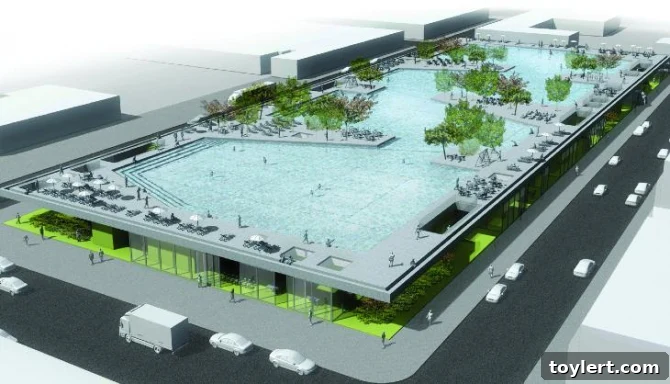
Gowanus by Design Unveils Visionary Solutions for a Toxic Waterway
The urban landscape is constantly evolving, presenting both immense challenges and unparalleled opportunities for innovation. At the heart of one of Brooklyn’s most intriguing transformations lies the Gowanus Canal, a waterway with a complex history marked by industrial activity and environmental contamination. Addressing such an intricate urban dilemma requires forward-thinking approaches, collaborative efforts, and a profound commitment to sustainable development. This month, the renowned urban design advocacy group, Gowanus by Design, is taking a significant step forward by showcasing the groundbreaking results of its highly anticipated Water Works Competition. This exhibition promises to illuminate the future of community development within the unique and challenging context of a toxic waterway, offering a glimpse into how design can act as a catalyst for environmental remediation and social revitalization.
The Water Works Competition: A Deep Dive into Urban Resilience
The Water Works Competition was more than just a design contest; it was a global call to action, an intellectual crucible designed to spark innovative solutions for one of New York City’s most pressing environmental and urban planning issues. Organized by Gowanus by Design, an organization dedicated to fostering thoughtful dialogue and progressive design for the Gowanus neighborhood, the competition focused squarely on the Gowanus Canal. This infamous waterway, a designated Superfund site, represents a microcosm of industrial legacy and the formidable task of urban regeneration. Participants were tasked with envisioning designs that not only acknowledged the canal’s toxic past but actively proposed strategies for its ecological restoration and its seamless integration into a vibrant, thriving community.
The sheer scale and global reach of the competition underscored the universal relevance of its theme. With more than 250 entries submitted from over 20 countries, the Water Works Competition successfully tapped into an international pool of architectural, urban planning, and environmental design talent. This diverse array of submissions brought forth a multitude of perspectives, ranging from highly conceptual interventions to practical, implementable strategies. The international participation highlighted that the challenges faced by the Gowanus Canal resonate with similar issues in waterfront cities worldwide, making the solutions presented potentially transferable and globally significant.
A Rigorous Selection Process: Balancing Design, Community, and Ecology
Selecting the winning entries from such a vast and varied pool was a monumental task that required a discerning eye and a multidisciplinary approach. The esteemed jury for the Water Works Competition was composed of experts across various fields, ensuring a comprehensive evaluation of each submission. Their rigorous assessment focused on three core pillars: architectural design, community programming, and urban ecology. Each criterion was vital for ensuring that the proposed solutions were not only aesthetically pleasing but also socially responsible and environmentally sound.
Architectural Design: Form Meets Function in a Regenerative Context
In the context of the Gowanus Canal, architectural design extended far beyond mere aesthetics. The jury meticulously evaluated how designs integrated with the existing urban fabric while proposing innovative structures and spaces. Key considerations included the functionality of the proposed architecture, its resilience to potential environmental shifts like rising sea levels, and its ability to contribute positively to the visual identity of the neighborhood. Designs that demonstrated creativity in material use, structural innovation, and a sensitive approach to the canal’s unique industrial heritage were highly regarded. The aim was to find designs that could serve as iconic landmarks while also being deeply rooted in the practical needs of the community and the environment.
Community Programming: Fostering Vibrant, Inclusive Public Life
True urban regeneration is incomplete without a strong emphasis on community. The Water Works Competition recognized this by placing significant weight on community programming. The jury sought proposals that went beyond physical structures to envision spaces that would actively encourage social interaction, cultural engagement, and economic vitality. This included designs for public parks, recreational facilities, market spaces, educational centers, and cultural hubs that would draw residents and visitors alike. Solutions that demonstrated a clear understanding of the Gowanus neighborhood’s diverse population and offered inclusive opportunities for all age groups and socioeconomic backgrounds were particularly compelling. The goal was to transform the canal area from an industrial barrier into a social connector, enhancing the quality of life for all who live and work nearby.
Urban Ecology: Reimagining the Canal as a Living System
Perhaps the most critical aspect of the competition was its focus on urban ecology. Given the Gowanus Canal’s history as a polluted waterway, solutions that addressed environmental remediation and fostered ecological health were paramount. The jury looked for designs that incorporated green infrastructure, such as wetlands, bioswales, and permeable surfaces, to naturally filter stormwater and improve water quality. Proposals that introduced or enhanced biodiversity, created habitats for local wildlife, and explored innovative methods for managing waste and energy were highly favored. The vision was to transform the canal from a toxic liability into a thriving ecosystem, where human development coexists harmoniously with natural processes. This ecological imperative was central to the competition’s ethos, striving for a future where urban development actively contributes to environmental repair rather than degradation.
After careful deliberation and rigorous review against these comprehensive criteria, the jury ultimately selected nine winners. These winning projects, along with a curated selection of other outstanding entries, represent the pinnacle of innovative thought and practical design for confronting the complexities of urban waterfronts. They collectively offer a spectrum of approaches, from grand visions for landscape transformation to detailed architectural interventions, all unified by a commitment to sustainability and community well-being.
The Exhibition: A Public Forum for Future Urbanism
The culmination of this ambitious competition is an eagerly awaited exhibition at The Old American Can Factory Gallery. This historic venue, itself a testament to Brooklyn’s industrial past and its creative future, provides a fitting backdrop for showcasing these visionary projects. The gallery, located within the vibrant Gowanus neighborhood, offers an accessible and inspiring space for the public to engage with the innovative ideas that could shape their community for generations to come. The exhibition is not merely a display of finished designs; it is an invitation to participate in a dialogue about the future of urban living, environmental stewardship, and community resilience.
Visitors to the exhibition will have the unique opportunity to explore detailed renderings, architectural models, and comprehensive plans that illustrate how the Gowanus Canal can be transformed from a polluted relic into a vibrant, sustainable urban asset. The displayed entries will reveal a rich tapestry of solutions, each offering a distinct perspective on how to integrate infrastructure, public spaces, and ecological systems to create a more livable and equitable urban environment. From proposals for floating parks and ecological remediation strategies to innovative housing solutions and cultural programming initiatives, the exhibition promises to be a source of inspiration and informed discussion.
The opening reception for this significant event is scheduled for Wednesday, May 22, from 6:30 to 9 pm. This evening promises to be a dynamic gathering of designers, urban planners, environmentalists, community leaders, and engaged citizens. It offers a prime opportunity to meet some of the brilliant minds behind these transformative ideas, engage in meaningful conversations about the future of Gowanus, and celebrate the power of design to address real-world challenges. Such receptions are vital for fostering connections and building momentum for the implementation of sustainable urban projects. For those passionate about urban planning, environmental sustainability, and community development, attending this opening is an invaluable opportunity to be at the forefront of urban innovation.
All interested individuals are encouraged to check out the full details regarding the exhibition, including ongoing programming and visitor information, on the Gowanus by Design website. This exhibition is more than just a showcase of talent; it is a critical step in envisioning and advocating for a brighter, healthier, and more equitable future for the Gowanus Canal and its surrounding communities. It serves as a powerful reminder that with thoughtful design and collaborative action, even the most challenging urban environments can be transformed into thriving examples of sustainable urbanism.