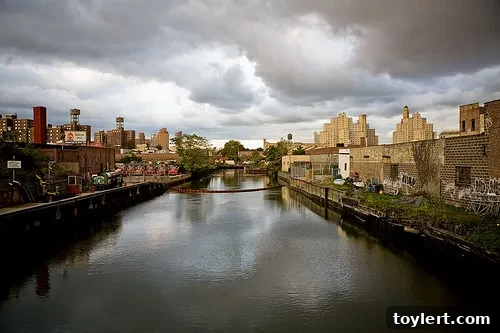
Preserving Gowanus: A Historic Opportunity for Brooklyn’s Industrial Heart
The Gowanus Canal Corridor, a vibrant and historically rich section of Brooklyn, stands at a pivotal moment. With its unique blend of industrial heritage, evolving community, and ongoing revitalization, the future of this iconic area is being shaped by passionate advocacy. Leading this crucial effort is the dedicated organization, Friends of Greater Gowanus (FROGG), which is diligently working to nominate the entire Gowanus Canal Corridor to the prestigious National Register of Historic Places. This ambitious initiative aims to formally recognize and safeguard the distinct character of Gowanus, ensuring its historical significance is celebrated and protected for generations to come.
The Vision: An Urban Industrial District for Adaptive Reuse
FROGG’s core objective extends beyond mere recognition; it seeks to designate significant sections of the neighborhood as an “Urban Industrial District.” This designation is far more comprehensive than preserving individual landmarks. It envisions the conservation of entire streetscapes, the relationships between historic factory buildings, warehouses, and the very structures that define the area’s rich industrial past. The ultimate goal is to foster “adaptive reuse” – a sustainable approach to development that gives new life to old buildings while honoring their original architectural integrity and historical purpose.
Imagine former factories transformed into vibrant art studios, community spaces, or innovative businesses, all while retaining their distinctive facades and industrial charm. This approach prevents demolition, reduces waste, and allows the community to literally build upon its heritage. By preserving these structures and the open spaces around them, Gowanus can evolve dynamically without losing the authentic character that makes it so unique. It’s a blueprint for growth that respects the past while embracing the future, ensuring that the industrial spirit of Gowanus continues to inspire and contribute to Brooklyn’s urban fabric.
The National Register of Historic Places: A Cornerstone of Preservation
Placement on the National Register of Historic Places is a profound acknowledgment of a site’s historical, architectural, archaeological, engineering, or cultural significance. It is not merely an honorary title; it confers a level of protection and prestige that can be instrumental in the long-term preservation of an area. While it doesn’t prevent private property owners from making changes to their buildings, it provides significant advantages, including eligibility for federal tax credits for rehabilitation projects, consideration in the planning of federally funded projects that might impact the site, and often, an increased sense of community pride and identity.
For the Gowanus Canal Corridor, inclusion on this esteemed list would solidify its place as a nationally recognized heritage asset. It would validate the efforts of countless individuals and organizations who have fought to protect its legacy, from its pivotal role in 19th and 20th-century American industry to its contemporary resurgence as a hub for creativity and innovation. This designation would serve as a powerful tool to guide future development, ensuring that new projects are undertaken with a deep respect for the existing historical context.
Friends of Greater Gowanus (FROGG): Catalyzing Change
At the heart of this transformative effort is FROGG, a dedicated group of residents and advocates committed to the sustainable future of the Gowanus area. Their mission statement reflects a deep understanding of the neighborhood’s complexities – its industrial past, its ecological challenges, and its vibrant community spirit. FROGG acts as a crucial bridge between local residents, historical experts, and governmental bodies, orchestrating the intricate process required for such a significant designation. Their work involves meticulous research, community engagement, and navigating the detailed requirements of state and federal preservation agencies. Without their tireless advocacy and organizational leadership, this opportunity to enshrine Gowanus’s history might not be within reach.
Expanding the Historic District: A Collaborative Endeavor
The journey towards National Register designation is a rigorous one, requiring thorough documentation and expert evaluation. Fortunately, FROGG’s efforts have garnered significant support from key governmental partners. The New York State Office of Parks, Recreation and Historic Preservation (OPRHP) has shown remarkable generosity and foresight regarding the Gowanus project. Recognizing the expansive and multifaceted nature of Gowanus’s industrial heritage, OPRHP has decided to significantly expand the proposed historic district. This expansion includes an additional 50 sites, a testament to the rich tapestry of historical assets found within the corridor.
This enlargement, while hugely beneficial for comprehensive preservation, also introduces additional work. Each of these 50 new properties must undergo a detailed survey by a certified architectural historian. This isn’t a superficial glance; it involves in-depth research into property records, architectural analysis, photographic documentation, and an evaluation of each site’s historical integrity and significance. The findings from these surveys must then be meticulously integrated with FROGG’s previously submitted report, becoming a cohesive part of Section 7 of the nomination – the critical document outlining the historical and architectural description of all properties within the proposed district. This meticulous process ensures that every piece of the Gowanus puzzle is properly accounted for and justified in its inclusion on the National Register.
The Road Ahead: Funding the Future of Gowanus
While the expansion of the historic district is a victory for preservation, it also comes with a tangible cost. The extensive additional research, fieldwork, and professional expertise required to survey and document these 50 new sites are estimated to cost approximately $5,780. This sum covers the specialized work of architectural historians, whose expertise is indispensable for preparing the robust documentation needed for the National Register nomination. This isn’t an arbitrary expense; it’s a direct investment in the professional integrity and success of the entire preservation effort.
FROGG is now actively engaged in fundraising to secure these vital funds. Every dollar contributed directly supports the meticulous work necessary to ensure the comprehensive designation of the Gowanus Canal Corridor. The success of this fundraising campaign is paramount; without these funds, the expanded district, with its broadened scope of protection, may not be fully realized. This is where the wider community, individuals who cherish Brooklyn’s heritage, and those who believe in sustainable urban development, can make a direct and meaningful impact.
The Legacy of Gowanus: More Than Just a Canal
The Gowanus Canal Corridor is more than just a waterway; it’s a living narrative of America’s industrial might, a testament to urban evolution, and a symbol of community resilience. From its beginnings as a critical transportation artery for Brooklyn’s factories and warehouses to its current status as a Superfund site undergoing extensive environmental remediation, Gowanus has always been a place of intense activity and transformation. Preserving its historic fabric through the National Register designation is not just about old buildings; it’s about safeguarding the stories they tell, the communities they housed, and the lessons they offer for future urban planning.
This initiative recognizes that the physical environment is deeply intertwined with cultural identity. By protecting the industrial landscape of Gowanus, FROGG helps to maintain a tangible connection to the area’s working-class roots, its immigrant histories, and the innovative spirit that has defined Brooklyn for centuries. This comprehensive approach to preservation complements the ongoing environmental clean-up efforts, creating a holistic vision for a revitalized Gowanus that is both ecologically healthy and historically vibrant.
Call to Action: Be a Part of Gowanus’s Future
The opportunity to permanently protect and celebrate the unique urban industrial heritage of the Gowanus Canal Corridor is now within reach, but it requires collective action. The additional funds needed for the expanded historic district survey are a small investment for such a significant, long-lasting benefit. Your contribution, no matter the size, directly fuels the work of certified architectural historians who are meticulously documenting Gowanus’s past to secure its future.
If you are passionate about historic preservation, sustainable urban development, or simply care about the distinctive character of Brooklyn, we urge you to consider supporting FROGG’s vital fundraising campaign. Your involvement ensures that the rich history of the Gowanus Canal Corridor will not only be preserved but will also continue to inspire and enrich the lives of generations to come.
- Learn More: Visit the Friends of Greater Gowanus website to understand their mission in depth.
- Contribute: Every dollar helps reach the $5,780 goal. To make a donation or express your interest in supporting this crucial study, you can get in touch with FROGG through their Facebook page.
- Spread the Word: Share this important initiative with friends, family, and social networks to amplify the call for support.
Together, we can ensure that the Gowanus Canal Corridor receives the historical recognition and protection it so richly deserves, allowing its industrial legacy to thrive in a new era of adaptive reuse and community engagement.
Photo by Jose Gaytan