Gowanus Wild: Unearthing Nature’s Resilient Spirit in an Urban Wilderness
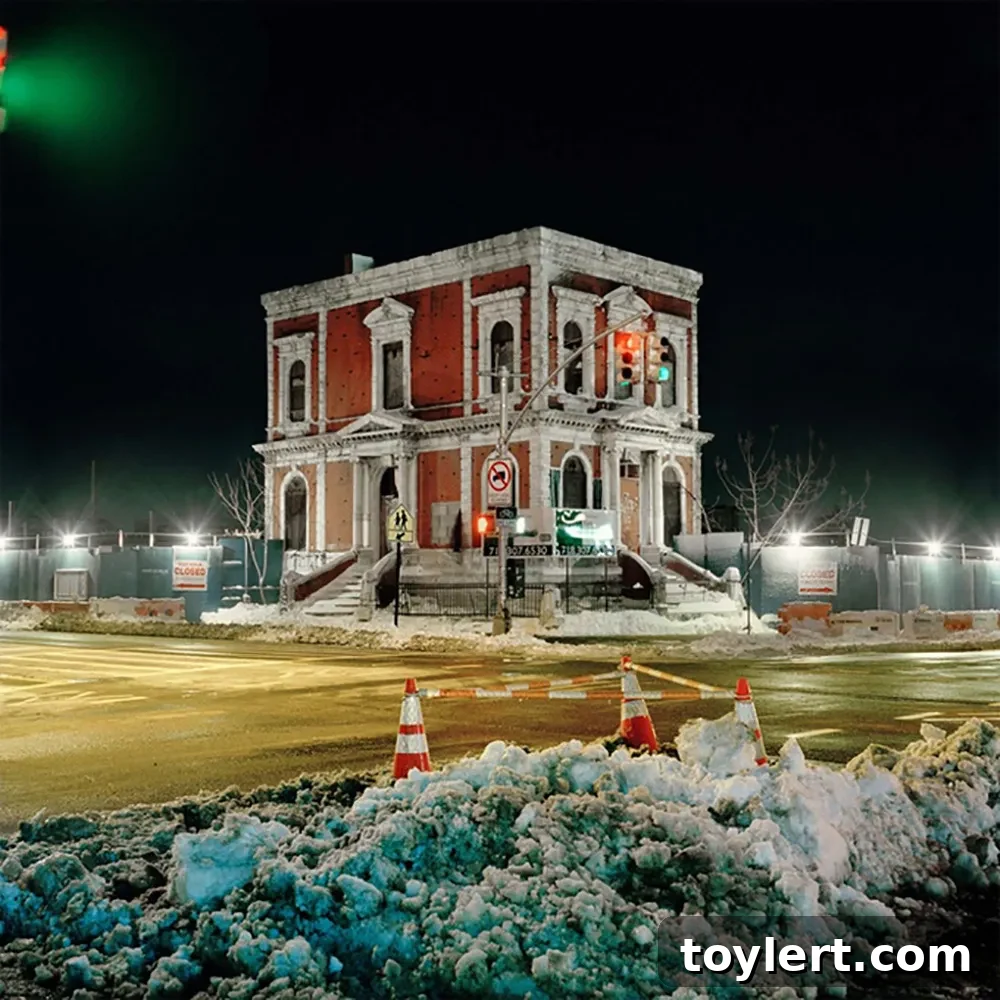
The historic Coignet Building, an architectural gem, before the modern development of Whole Foods next door, symbolizing Gowanus’s evolving landscape.
In the heart of Brooklyn lies Gowanus, a neighborhood that defies conventional understanding of urban landscapes. It is a place where the vestiges of an industrial past meet the relentless march of nature and modern development. Here, perhaps nowhere else in a bustling metropolis, is nature’s raw resilience so profoundly impressive. Despite centuries of human intervention, neglect, and heavy pollution, life in Gowanus stubbornly finds a way, pushing through concrete, thriving in contaminated waters, and reclaiming forgotten spaces. This remarkable paradox forms the core narrative of “Gowanus Wild,” a powerful photographic project that seeks to capture and celebrate this extraordinary urban ecosystem.
The Paradox of Gowanus: A Legacy of Industry and Natural Endurance
The Gowanus Canal, once a vital transportation artery for Brooklyn’s burgeoning industries, quickly became a symbol of environmental degradation. Lined with factories, gas plants, and chemical manufacturers throughout the 19th and 20th centuries, the canal absorbed an unthinkable cocktail of toxins, transforming into one of America’s most polluted waterways. Its dark, oily waters and noxious odors earned it the infamous moniker “Lavender Lake,” a sardonic nod to its often-vibrant, yet repulsive, sheen. Declared a Superfund site by the EPA in 2010, the canal is currently undergoing a massive, multi-decade cleanup effort, a testament to the severity of its contamination.
Yet, amidst this stark legacy of pollution, life persists. What fascinates observers and environmentalists alike is the tenacious spirit of the natural world in Gowanus. Ruderal plants, often dismissed as weeds, colonize abandoned lots, crumbling facades, and even the edges of the canal itself. These hardy species, adapted to disturbed environments, create pockets of green where one least expects them, transforming derelict spaces into unexpected havens. Phragmites australis, with its tall, reedy stalks, dominates stretches of the canal banks, filtering pollutants and providing habitat. Sumac trees burst forth from cracks in sidewalks, and vibrant wildflowers bloom in vacant lots, their roots delving deep into compromised soil, extracting sustenance against all odds.
Wildlife in the Urban Jungle: Unexpected Inhabitants of Gowanus
Beyond the tenacious flora, a surprising array of wildlife has made Gowanus its home. Despite the canal’s toxic reputation, anecdotal evidence and dedicated observation reveal a rich, if sometimes gritty, biodiversity. Various bird species, including herons, cormorants, and even majestic ospreys, are regular visitors, drawn by the canal’s murky waters and the small fish and invertebrates that manage to survive there. Migratory birds use the canal and its surrounding green spaces as crucial stopping points on their long journeys.
Mammals, too, navigate this complex environment. Raccoons, ever-resourceful urban dwellers, scavenge along the canal banks, while various rodent species find refuge in the nooks and crannies of abandoned structures. Insects thrive in the diverse plant life, forming the base of a resilient food web. Even aquatic life, against all scientific probability, has been documented. Researchers have found species of fish, crabs, and oysters adapted to the canal’s unique conditions, demonstrating an extraordinary capacity for biological adaptation and survival in extreme environments. These creatures are not just existing; they are finding ways to flourish, providing invaluable insights into ecological resilience in the face of human impact.
The Coignet Building and the March of Gentrification
The image of the Coignet Building, a magnificent French Renaissance Revival structure dating back to 1873, stands as a poignant symbol of Gowanus’s layered history and ongoing transformation. Once a grand office for the New York and Long Island Coignet Stone Company, it later fell into disrepair, becoming a ghostly sentinel amidst the industrial decay. Its subsequent restoration and the dramatic arrival of a gleaming Whole Foods Market directly next door perfectly encapsulate the forces of gentrification reshaping Gowanus. This juxtaposition – an architectural marvel from a bygone era standing beside a beacon of modern, upscale consumerism – highlights the neighborhood’s rapid evolution from an industrial wasteland to a coveted residential and commercial hub.
This development brings both opportunity and tension. While new businesses and residents inject vitality and investment, they also raise concerns about displacement, affordability, and the potential erasure of Gowanus’s unique character. The challenge lies in balancing progress with preservation, ensuring that the authentic spirit of the neighborhood – its artistic community, its industrial heritage, and its surprising natural beauty – is not lost in the pursuit of modernization. The Coignet Building, now gleaming after its restoration, serves as a powerful reminder that history and renewal can coexist, but also that such coexistence often comes with a complex narrative of change.
“Gowanus Wild”: A Photographic Ode to Urban Resilience
It is against this backdrop of historical pollution, ecological tenacity, and relentless development that projects like “Gowanus Wild” emerge as crucial cultural interventions. “Gowanus Wild” is more than just a collection of photographs; it is a visual exploration, a documentary, and an argument for the inherent beauty and importance of urban nature. Through the lens, the project aims to reveal the often-overlooked flora and fauna that thrive in Gowanus, transforming dilapidated industrial zones and contaminated waterways into landscapes of unexpected wonder. It challenges preconceptions about what constitutes “wildness,” demonstrating that it can be found not just in pristine national parks, but also in the cracks of city sidewalks and the polluted waters of an urban canal.
The Kickstarter campaign associated with “Gowanus Wild” serves as a vital platform for bringing this vision to a wider audience, funding the publication of a photo book, and potentially supporting related exhibitions or educational initiatives. By documenting this unique ecological phenomenon, the project not only celebrates the resilience of nature but also fosters a deeper appreciation for biodiversity in urban settings. It encourages residents and visitors alike to look closer, to see the beauty in the overlooked, and to understand the delicate balance between human impact and natural recovery. Such initiatives are critical for raising awareness, promoting environmental stewardship, and inspiring communities to protect and nurture the pockets of wildness that enrich our cities.
Beyond the Canal: Gowanus as a Microcosm of Urban Ecology
Gowanus, with its complex narrative of environmental degradation, ecological resilience, and socioeconomic transformation, serves as a powerful microcosm for urban ecology worldwide. It offers invaluable lessons about nature’s adaptability and the enduring power of life even in the most challenging anthropogenic environments. The cleanup of the Gowanus Canal, though slow and arduous, represents a monumental effort in environmental remediation, setting precedents for other polluted urban waterways globally.
Moreover, the ongoing dialogue about development versus preservation in Gowanus highlights critical questions facing rapidly gentrifying cities. How can we integrate new infrastructure and housing while protecting historical landmarks and fostering existing communities? How can we clean up polluted sites in a way that benefits both human residents and the non-human species that have adapted to these spaces? “Gowanus Wild” not only documents the existing natural beauty but also implicitly advocates for a future where urban planning consciously incorporates and values these unique ecological niches. It calls for a vision where cities are not just concrete jungles but dynamic ecosystems where humans and nature can coexist in a more harmonious and sustainable manner.
A Future Forged by Resilience and Community
The future of Gowanus is a story still being written, characterized by ongoing environmental restoration, thoughtful urban development, and the unwavering spirit of its community. The “Gowanus Wild” project, by shining a light on the extraordinary natural resilience found here, contributes significantly to this narrative. It reminds us that beauty and life can emerge from the most unlikely places, offering a message of hope and inspiration.
As the Gowanus Canal continues its long journey towards recovery, and as the neighborhood evolves, the wild spaces and the hardy species that inhabit them will remain a testament to nature’s incredible power. Projects like “Gowanus Wild” are essential for ensuring that this powerful story is told, understood, and celebrated, inspiring us all to seek out and protect the invaluable patches of wilderness that define our urban environments and connect us to the larger natural world.