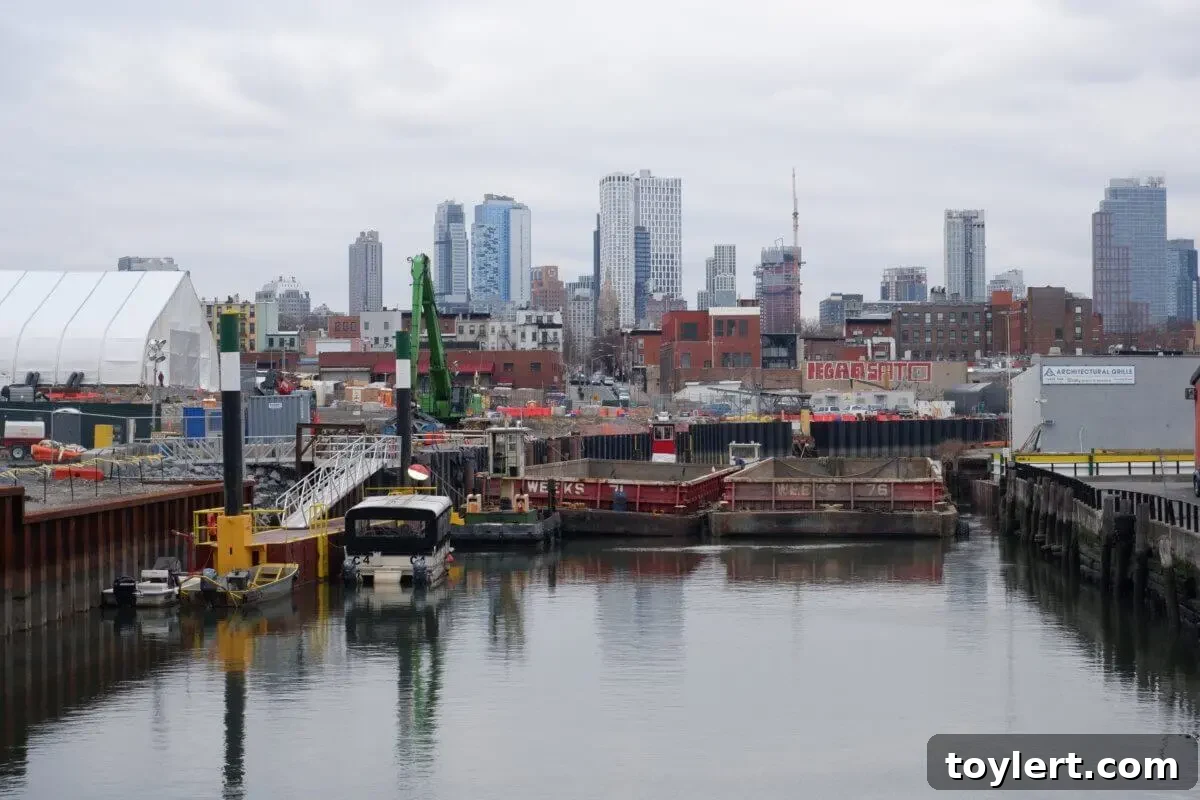
The Gowanus Canal, a notorious waterway in Brooklyn, New York, has long been a symbol of urban environmental neglect. Decades of industrial pollution and untreated sewage overflows have rendered it one of the nation’s most contaminated sites, earning it a crucial designation under the federal Superfund program. This designation mandates a comprehensive cleanup, a multi-faceted endeavor aimed at restoring the canal to ecological health and safeguarding surrounding communities. However, recent revelations indicate a significant impediment to this vital cleanup: the City of New York has demonstrably stalled on a critical component of the remediation plan, a massive sewage and stormwater retention tank. This inaction, despite a federal directive issued seven years ago, now places the city at risk of incurring substantial daily fines, potentially amounting to $60,000 per day, a financial burden that will ultimately fall upon taxpayers and further delay environmental justice for the Gowanus community.
The Critical Role of Retention Tanks in Gowanus Canal Cleanup
At the heart of the Gowanus Canal’s contamination problem lies its susceptibility to Combined Sewer Overflows (CSOs). During periods of heavy rainfall, the city’s antiquated sewer system, which combines stormwater and raw sewage, becomes overwhelmed. Instead of flowing to treatment plants, this toxic mixture is discharged directly into the canal, re-polluting the waterway and undermining any cleanup efforts. To combat this persistent issue, the Superfund plan mandates the construction of two substantial underground retention tanks. These vital pieces of infrastructure are designed to temporarily store millions of gallons of sewage and stormwater during peak events, preventing them from entering the canal and allowing for controlled release to treatment facilities once capacity becomes available.
The tank currently at the center of this controversy is the smaller of the two, boasting a capacity of four million gallons. While it may be designated as “smaller,” its role is no less critical. Together with its larger counterpart, these tanks represent a foundational pillar of the cleanup strategy, working in tandem with the ongoing dredging of the canal bed. The dredging operations meticulously remove contaminated sediments, often referred to as “black mayonnaise,” from the canal floor. However, without the retention tanks to prevent future overflows, the canal would inevitably become re-contaminated, rendering the laborious and expensive dredging work largely ineffective. The success of the Superfund cleanup, therefore, hinges directly on the timely and effective implementation of both these components.
Seven Years of Inaction: EPA’s Frustration and the City’s Delay
The Environmental Protection Agency (EPA), the federal body overseeing the Superfund program, has expressed profound frustration over the City of New York’s lack of progress. According to EPA lawyer Brian Carr, speaking at an April 27th meeting with the Gowanus Canal Community Advisory Group (CAG), a crucial watchdog organization for the project, the city’s inaction is glaring. “The Environmental Protection Agency issued an order in 2014 to begin designing the second tank, and it’s 2021, and they’ve essentially done almost no design work, and still don’t even have a new design contract in place,” Carr stated, highlighting a seven-year period of significant delay.
This prolonged procrastination is not merely a bureaucratic oversight; it represents a direct failure to comply with a federal mandate designed to protect public health and the environment. The 2014 order was not a suggestion but a clear directive, outlining specific responsibilities and timelines for the city to commence the essential design phase for the retention tank. The absence of a design contract seven years later indicates a fundamental breakdown in the city’s planning and execution processes for this critical infrastructure project. Such delays cast a shadow of doubt over the city’s commitment to the Superfund cleanup and its capacity to manage large-scale environmental remediation efforts effectively.
The Escalating Costs of Delay: Financial and Environmental Penalties
The financial repercussions of the city’s inaction are severe and escalating. The EPA’s potential imposition of a $60,000 per day fine serves as a powerful deterrent, designed to compel compliance. If these fines are levied, they will quickly accumulate into millions of dollars, diverting much-needed public funds from other essential city services or potentially leading to increased tax burdens for New Yorkers. This punitive measure underscores the gravity of the city’s failure and the federal government’s commitment to enforcing environmental regulations.
Beyond the monetary penalties, the environmental and public health costs are immeasurable. Each day the retention tanks are delayed means another day the Gowanus Canal remains vulnerable to untreated sewage and stormwater. This continued pollution perpetuates the hazardous conditions within the canal, posing ongoing risks to aquatic life and hampering the development of a healthy ecosystem. For the residents living in proximity to the canal, the delays mean a prolonged exposure to the odors and potential health hazards associated with a heavily polluted waterway. The Superfund cleanup is not just about cleaning a canal; it is about revitalizing a community and ensuring environmental equity for its inhabitants. Prolonged delays erode public trust and prolong the environmental suffering endured by the neighborhood for generations.
Challenges and Accountability: Why the Stall?
Understanding the reasons behind such a protracted delay is crucial. Large-scale urban infrastructure projects are inherently complex, often fraught with challenges ranging from land acquisition and extensive permitting processes to securing adequate funding and managing intricate engineering requirements. Bureaucratic hurdles, inter-agency coordination issues, and shifting political priorities can all contribute to project slowdowns. However, a seven-year gap with “almost no design work” suggests more than typical project complexities; it points to a significant lapse in strategic planning, resource allocation, or political will on the part of New York City.
Accountability is paramount. The EPA’s role is not only to identify contaminated sites but also to ensure that responsible parties, in this case, the City of New York, fulfill their obligations under the law. The Gowanus Canal Community Advisory Group (CAG) plays an indispensable role in this ecosystem of accountability. By actively monitoring the cleanup’s progress and advocating for community interests, the CAG serves as a vital check and balance, bringing critical issues like this delay to public attention and pressuring authorities to act. Their vigilance is a testament to the power of community engagement in environmental justice.
Charting a Path Forward: Urgency and Resolution
The situation at the Gowanus Canal demands immediate and decisive action from New York City. The time for deliberation has long passed; the imperative now is for tangible progress. The city must swiftly secure a design contract for the second retention tank, accelerate the design phase, and establish a clear, aggressive timeline for its construction. Transparent communication with the EPA and the community advisory group is essential to rebuild trust and demonstrate a renewed commitment to the Superfund cleanup.
The vision for a revitalized Gowanus Canal—a cleaner, safer waterway that can once again serve as an asset to its community—remains within reach. However, realizing this vision requires unwavering dedication and prompt execution of all components of the Superfund plan, particularly the critical infrastructure projects designed to prevent future pollution. The environmental integrity of Brooklyn’s Gowanus neighborhood, and indeed the city’s reputation as a steward of its natural resources, hangs in the balance. Only through proactive and responsible governance can New York City avoid further environmental degradation, escalating fines, and ultimately, deliver on its promise of a healthier future for the Gowanus Canal and its surrounding communities.