Embracing Winter Wellness: A Therapeutic Journey at the Brooklyn Botanic Garden
As the brisk breath of winter finally settles over the metropolis, gradually replacing any fleeting unseasonal warmth with the crisp reality of colder days and the impending promise of snow, many individuals begin to feel the familiar, subtle tug of seasonal sadness. The shortening days, diminished sunlight, and the chill in the air can often dampen spirits, making the prospect of months spent primarily indoors less than inviting. However, amidst the urban landscape, a remarkable sanctuary in Brooklyn offers a unique and powerful antidote to these pervasive winter blues: the Brooklyn Botanic Garden. Far more than just an exquisite collection of flora, it transforms into a vital haven for mental well-being, especially when explored under the compassionate guidance of an expert who profoundly understands the intricate connection between nature and our inner emotional states.
Understanding the Winter Blues and Seasonal Affective Disorder (SAD)
The transition between seasons, particularly from the vibrant energy of autumn to the quiet introspection of winter, often brings with it not only a shift in temperature but a noticeable change in mood for a significant portion of the population. Commonly referred to as “winter blues,” these feelings can manifest across a spectrum, from a general lack of energy and diminished motivation to more pronounced and debilitating symptoms characteristic of Seasonal Affective Disorder (SAD). SAD is a clinically recognized form of depression that exhibits a recurring seasonal pattern, typically commencing in the late fall or early winter and naturally abating during the brighter, longer days of spring and summer.
Symptoms of SAD can include persistent low mood, anhedonia (loss of interest or pleasure in activities once enjoyed), overwhelming fatigue, difficulty concentrating, noticeable changes in appetite (often an increased craving for carbohydrates), and disturbances in sleep patterns. The primary factors believed to contribute to SAD are reduced exposure to natural sunlight, which can significantly disrupt our body’s circadian rhythms and negatively impact the production of key neurochemicals such as serotonin (a critical mood-regulating neurotransmitter) and melatonin (a hormone vital for sleep regulation). For those living in bustling urban environments, the challenge is often exacerbated by limited access to expansive green spaces and consistent natural light, making the city, while dynamic, feel particularly isolating when the weather forces prolonged indoor confinement. Recognizing this widespread seasonal challenge, innovative institutions like the Brooklyn Botanic Garden are actively developing structured, therapeutic experiences designed to counteract these seasonal downturns, offering essential respite and fostering remarkable resilience during the colder, darker months.
Nature’s Profound Prescription: The Healing Power of Green Spaces
The concept of “nature therapy” is by no means a modern invention; ancient cultures across the globe have long intuited and embraced the profound restorative power of the natural world. Today, modern scientific research provides compelling and robust evidence to firmly support these age-old wisdoms. Numerous studies have consistently demonstrated that engaging with nature, even through passive observation of green spaces, can significantly reduce physiological markers of stress, such as lower levels of the stress hormone cortisol, decrease blood pressure, elevate mood, and substantially improve cognitive function. The revered Japanese practice of Shinrin-yoku, or “forest bathing,” perfectly encapsulates this philosophy, encouraging individuals to consciously immerse all their senses in the soothing atmosphere of the forest, leading to profound states of relaxation, heightened mental clarity, and an overall sense of well-being.
This deep-seated, innate human connection to the natural world is often articulated through the biophilia hypothesis, which posits that humans possess an intrinsic, biological desire to connect with other forms of life and the intricate systems of nature. In an increasingly urbanized and technologically driven world, fulfilling this fundamental biophilic need becomes not just beneficial, but absolutely crucial for maintaining our holistic mental and physical health. The Brooklyn Botanic Garden, even when gracefully cloaked in winter’s serene embrace, offers an indispensable conduit to this essential natural world. Its meticulously curated landscapes, designed to showcase beauty across all seasons, provide a rich tapestry of diverse textures, subtle, muted colors, and the enduring resilience of various plant life. This environment offers a powerful and visually soothing antidote to the often starkness and sensory deprivation that can be associated with winter life in a dense city.
A Unique Therapeutic Approach: Guidance from Lynne Spevack, LCSW
Understanding and harnessing the immense therapeutic potential inherent in nature, the Brooklyn Botanic Garden has forged a valuable collaboration with Lynne Spevack, LCSW, a highly experienced licensed psychotherapist and a deeply knowledgeable, longtime guide at the garden. Spevack masterfully brings a unique and powerful blend of clinical expertise and profound horticultural insight to her acclaimed narrated walks. Her unique approach is meticulously crafted and specifically designed to directly address and alleviate the often-overwhelming feelings of seasonal sadness, offering participants not merely a casual tour, but a profoundly guided, transformative journey toward enhanced inner peace and improved overall psychological well-being.
Lynne Spevack’s therapeutic walks transcend the conventional explanation of botanical specimens; they are thoughtfully structured to be an interactive, deeply mindful experience. She skillfully leverages her extensive psychotherapeutic background to gently, yet effectively, encourage participants to engage all their senses – prompting them to observe the intricate, delicate patterns of bare branches etched against the sky, to consciously feel the crisp, cool air on their skin, to attentively listen to the subtle, hushed sounds of the winter landscape, and to forge a tangible connection with the enduring life force that remains vibrantly present even in dormant plants. This intentional, multi-sensory engagement plays a crucial role in grounding individuals firmly in the present moment, skillfully shifting their focus away from anxious thoughts or depressive rumination, which is a core and fundamental principle of many mindfulness-based therapeutic interventions.
By synergistically combining the inherently tranquil and aesthetically pleasing setting of the garden with her profound expertise in mental health, Spevack successfully bridges the gap between proactive self-care and meaningful environmental engagement. Participants on her walks learn invaluable techniques on how to actively draw profound comfort, inspiration, and resilience from their immediate natural surroundings, thereby transforming what might otherwise be a simple walk into a potent and deeply restorative therapeutic session. Her expert guidance empowers individuals to cultivate a deeper, more appreciative understanding of nature’s remarkable resilience and timeless beauty, even during the “off-season,” fostering a critical sense of hope and vital connection that can be particularly invaluable when confronting and battling seasonal lows and feelings of isolation.
The Brooklyn Botanic Garden in Winter: An Urban Oasis of Serenity
While many gardens across the globe may shed their vibrant, colorful hues and appear somewhat diminished in winter, the Brooklyn Botanic Garden steadfastly retains a profound, understated beauty that is often overlooked but deeply captivating. In the colder months, it undergoes a stunning transformation into a landscape of quiet elegance, where the underlying architectural structure and exquisite design of the garden take center stage. Bare trees reveal their intricate, sculptural forms dramatically silhouetted against the winter sky, while meticulously placed evergreens provide striking pops of deep, rejuvenating color. The subtle textures of dormant plants create a rich, complex tapestry of various shades of browns, grays, and deep greens, offering a unique visual feast. Furthermore, specific areas within the garden, such as the expansive Steinhardt Conservatory, offer lush, tropical escapes, providing welcome warmth and vibrant greenery even on the chilliest days, effectively simulating the light and life that winter often seems to lack in temperate climates.
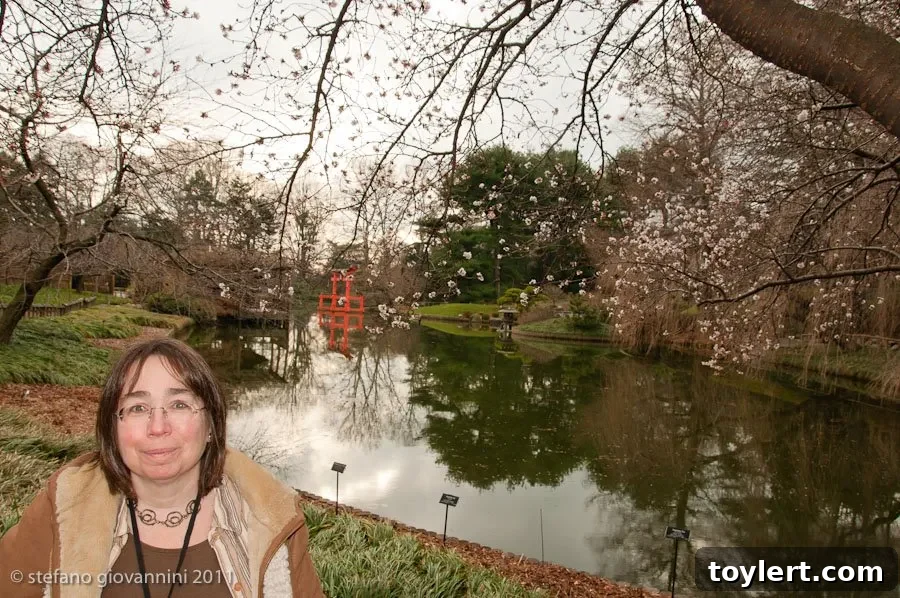
The serene and thoughtfully designed Japanese Hill-and-Pond Garden, with its stark, minimalist sculptural elements and calming, reflective waters, offers an inherently contemplative and peaceful space regardless of the season. Its gracefully winding pathways invite quiet reflection and introspection, and one might even discover unexpected, hardy winter blooms, such as certain resilient camellias or fragrant witch hazels, defying the cold. This unique and captivating winter charm provides an ideal, tranquil backdrop for Spevack’s therapeutic walks, allowing participants to find profound beauty, solace, and a sense of enduring peace within the subdued, yet incredibly rich, palette of the season.
For Brooklynites and visitors alike, the garden stands as an exceptionally accessible and much-needed escape from the relentless pace and often overwhelming hustle of urban life. It is a place where one can consciously breathe deeper, perceptibly slow down, and genuinely reconnect with the natural world without the necessity of leaving the comforting confines of the city. This vital accessibility is absolutely key to its indispensable role as a potent mental health resource, facilitating regular and consistent engagement with nature – a profoundly crucial factor in maintaining and enhancing seasonal well-being and overall mental fortitude.
Beyond the Walk: Sustaining Well-being Throughout Winter
While participating in a guided therapeutic walk at the Brooklyn Botanic Garden, especially one led by an expert like Lynne Spevack, offers an invaluable and deeply enriching experience, integrating its core lessons and principles into daily life can provide profound and lasting benefits that extend far beyond the garden’s gates. Here are some additional, practical strategies and self-care practices to help effectively combat the winter blues and actively promote overall mental health throughout the often challenging colder months:
-
Maximize Natural Light Exposure:
Actively open blinds and curtains, sit near windows whenever possible, and make a conscious effort to spend time outdoors during daylight hours, even on cloudy days. For those significantly affected by SAD, consider investing in a high-quality light therapy lamp specifically designed to mimic natural outdoor light.
-
Prioritize Physical Activity:
Regular physical activity, whether it’s an indoor workout routine, a dance class, or a brisk walk in a local park, is a scientifically proven and powerful mood booster. Exercise can significantly alleviate many symptoms associated with depression and anxiety.
-
Cultivate and Maintain Social Connections:
Actively combat feelings of isolation by scheduling regular time with trusted friends and family. Engaging in social interaction and building strong support networks are absolutely vital for robust mental health and emotional resilience.
-
Embrace a Balanced and Nutritious Diet:
Focus on consuming nutrient-rich foods, including an abundance of fresh fruits, colorful vegetables, lean proteins, and whole grains. Foods rich in Omega-3 fatty acids, found in fatty fish, can also play a supportive role in brain health and mood regulation.
-
Practice Mindfulness and Meditation Consistently:
The techniques learned during nature walks, such as mindful observation and sensory engagement, can be effectively practiced anywhere and at any time to reduce stress, improve focus, and cultivate inner calm.
-
Plan Engaging and Stimulating Activities:
Fill your winter schedule with new hobbies, creative pursuits, learning new skills, or exploring local attractions and cultural events. Keeping your mind stimulated and engaged can prevent boredom and lift your spirits.
-
Do Not Hesitate to Seek Professional Help:
If symptoms of seasonal depression are severe, persistent, or significantly impacting your daily life, please do not hesitate to consult a qualified mental health professional. Therapists, such as Lynne Spevack, offer tailored guidance, effective strategies, and compassionate support for individual needs.
The profound wisdom gleaned from consciously connecting with nature, as so beautifully demonstrated by Spevack’s insightful walks, fundamentally emphasizes the critical importance of acknowledging and embracing the natural cycles of life. It teaches us to find inherent beauty, purpose, and renewal in every season, mirroring the remarkable resilience and adaptability of the very plants that not only endure but can even thrive in winter’s crisp chill.
Embrace the Winter Garden for a Brighter Season
As winter casts its inevitable long shadow and the days grow shorter, it is entirely natural to feel somewhat overwhelmed by the discernible change in pace, light, and ambient temperature. However, it is crucial to remember that opportunities for profound renewal, emotional upliftment, and spirited engagement truly abound, particularly in extraordinary places like the Brooklyn Botanic Garden. Through the unique and compassionate insights of licensed psychotherapist Lynne Spevack, the garden transcends its role as merely a beautiful horticultural destination; it transforms into an exceptionally powerful, living tool for enhancing mental health, guiding individuals to navigate the inherent challenges of seasonal shifts with remarkable grace, profound resilience, and unwavering inner strength. Therefore, do not allow the impending snow or the biting cold to deter your spirits; instead, consider embarking on a genuinely therapeutic escape to this remarkable urban oasis. Discover for yourself how the subtle, enduring beauty of a winter garden, harmoniously combined with expert, empathetic guidance, can effectively chase away the cold and bring a renewed sense of warmth, hope, and vibrant life back to your soul, proving unequivocally that even in the quietest, most seemingly dormant season, life, growth, and profound healing invariably flourish.