Victorian Vibrance: William Niblo’s Mausoleum and Green-Wood’s Enduring Legacy of Entertainment
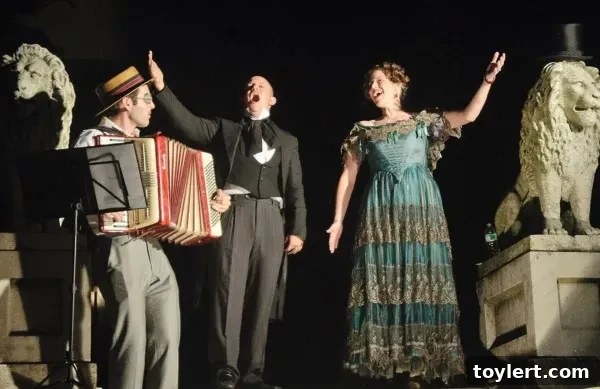
In the bustling heart of 19th-century New York, an era renowned for its dramatic flair and burgeoning cultural scene, one figure stood out for his innovative approach to entertainment: William Niblo. A musical-theater impresario whose name became synonymous with grand spectacles and lavish gatherings, Niblo possessed a unique vision that extended even to his final resting place. His mausoleum at Brooklyn’s iconic Green-Wood Cemetery was not merely a structure of solemn remembrance; it was, remarkably, a stage for life, laughter, and social connection long before his demise. This extraordinary practice — hosting friends for picnics and spirited entertainment within his own tomb – offers a captivating glimpse into Victorian attitudes towards mortality, celebration, and the enduring human desire for community.
This captivating blend of history, art, and community spirit resonates profoundly with the mission of our column, now aptly renamed Happenings. Formerly known as Closing Bell, Happenings will continue to spotlight the vibrant array of events and art that breathe life into our cities and historical spaces, much like Niblo once did. Join us as we delve deeper into the intriguing world of William Niblo and the timeless allure of Green-Wood Cemetery, where the past continually inspires the present.
Who Was William Niblo? A Maestro of Merriment
Born in Ireland in 1794, William Niblo immigrated to America at a young age, quickly establishing himself as a formidable force in New York’s entertainment landscape. His entrepreneurial spirit led him to manage various hotels and coffee houses before he struck gold with Niblo’s Garden. Opening in 1828, Niblo’s Garden wasn’t just a theater; it was a sprawling entertainment complex encompassing a magnificent outdoor garden, an elegant saloon, and a grand theater that became a cornerstone of New York City’s social and cultural life.
Under Niblo’s astute management, Niblo’s Garden hosted an astonishing array of performances. From Shakespearean dramas and grand operas to vaudeville acts, magic shows, and minstrel performances, it was a melting pot of theatrical innovation. He introduced American audiences to European ballet stars like Fanny Elssler and championed homegrown talent. Niblo was a pioneer in showmanship, understanding the desires of his audience and consistently delivering spectacle and novelty. His shrewd business acumen and commitment to quality made Niblo’s Garden a must-visit destination for New Yorkers seeking high-class entertainment and a vibrant social scene. His influence stretched far beyond the footlights, shaping the very fabric of the city’s burgeoning entertainment industry.
Green-Wood Cemetery: A Victorian Masterpiece
To truly appreciate William Niblo’s unique relationship with his mausoleum, one must understand the context of Green-Wood Cemetery itself. Established in 1838, Green-Wood was at the forefront of the “rural cemetery” movement in America. Far from the cramped, often unsanitary churchyards of old, rural cemeteries were designed as picturesque landscapes, integrating rolling hills, serene lakes, and diverse flora with elaborate monuments. These were not just burial grounds; they were envisioned as public parks, places for contemplation, recreation, and aesthetic enjoyment.
Green-Wood quickly became a beloved destination, second only to Niagara Falls as a tourist attraction in New York during the mid-19th century. Families would spend entire afternoons picnicking amidst the ornate tombstones, enjoying the meticulously landscaped grounds, and escaping the urban bustle. Its winding paths, stunning vistas, and the final resting places of celebrated figures like Leonard Bernstein, Horace Greeley, and Jean-Michel Basquiat, solidified its status as a National Historic Landmark. For Victorians, Green-Wood was a place where life and death intertwined, where mourning was softened by beauty, and where remembrance was an active, rather than solely solemn, pursuit. It was this atmosphere that provided the perfect backdrop for Niblo’s unconventional gatherings.
The Mausoleum: A Stage for Life, Not Just for Death
William Niblo’s mausoleum stands as a remarkable testament to his eccentric charm and the distinct sensibilities of the Victorian era. While the idea of picnicking in a tomb might strike modern sensibilities as macabre, for Niblo and his contemporaries, it was perhaps less shocking. Victorian society had a complex relationship with death. Mourning rituals were elaborate, and cemeteries, as noted, were often social spaces. It wasn’t uncommon for families to visit graves, spending time in remembrance, though Niblo’s approach certainly pushed the boundaries of conventional practice.
Niblo commissioned his mausoleum years before his passing, designing it as a grand, classical structure befitting his stature. It became a personal retreat, a place where he could entertain friends and associates, perhaps reflecting on his life’s achievements amidst the tranquility of Green-Wood. These gatherings were likely a continuation of his vibrant social life, seamlessly blending the celebratory with the contemplative. The mausoleum, in essence, became an extension of his own personality – a space that defied strict categorization, much like his diverse theatrical empire. It symbolizes a period when the veil between life and death felt thinner, and where the act of remembrance could encompass both solemnity and joy.
Echoes of Victorian Merriment: Niblo’s Entertainments
What kind of entertainment transpired within the hallowed grounds of Niblo’s mausoleum? While specific details are scarce, one can surmise that these were not morbid affairs but rather sophisticated social gatherings reflecting Niblo’s theatrical background and the tastes of his era. Guests likely enjoyed lively conversation, fine food, and perhaps even impromptu musical performances or storytelling. Given his profession, it’s not a stretch to imagine Niblo himself orchestrating a delightful atmosphere, ensuring his friends were well-fed and thoroughly entertained.
These mausoleum picnics would have served as intimate, exclusive versions of the grander spectacles Niblo staged at his famous Garden. They were an opportunity for personal connection, a chance to socialize with one of New York’s most influential figures in a truly unique setting. This practice underscores the Victorian emphasis on social interaction and the importance of shared experiences, even in the most unexpected of venues. It painted Niblo not just as a successful businessman, but as a host with an unforgettable flair, someone who truly knew how to bring people together.
Green-Wood Today: Continuing the Legacy of “Happenings”
William Niblo’s spirit of transforming spaces into vibrant cultural hubs lives on at Green-Wood Cemetery today. Far from being a static historical site, Green-Wood is a dynamic institution that actively embraces its role as a cultural and recreational anchor for Brooklyn and beyond. Just as Niblo once used his mausoleum for unique “happenings,” the cemetery now hosts a diverse calendar of events that honor its history while engaging contemporary audiences.
Visitors can experience a rich tapestry of offerings: historical tours exploring its famous residents and stunning architecture, bird-watching excursions through its lush arboretum, engaging educational workshops, and open-air concerts that bring classical and contemporary music to its verdant landscapes. Art installations frequently dot the grounds, offering new perspectives on the cemetery’s beauty and significance. Special events, often inspired by Victorian traditions or the lives of its inhabitants, invite the public to connect with history in a tangible and enjoyable way. This ongoing commitment to cultural programming makes Green-Wood Cemetery a living museum and a vital community resource, perfectly embodying the spirit of discovery and engagement that our Happenings column celebrates.
Conclusion: A Legacy That Lives On
William Niblo, the 19th-century impresario, left an indelible mark on New York City’s entertainment scene, but his most intriguing legacy might well be his mausoleum at Green-Wood Cemetery. His audacious practice of hosting picnics and entertainments within its walls speaks volumes about his larger-than-life personality and a bygone era’s nuanced relationship with life, death, and celebration. It reminds us that history is not just a collection of dusty facts but a vibrant, ongoing narrative full of surprising characters and customs.
Today, Green-Wood Cemetery continues to be a place where history comes alive, where art flourishes, and where community gathers. It’s a testament to the enduring power of places that inspire contemplation, wonder, and, indeed, “happenings.” As we explore the cultural landscape, we often find that the most engaging experiences are those that connect us to the past in unexpected and delightful ways. William Niblo’s story serves as a charming reminder that even in the most solemn settings, there is always room for a little bit of life, a touch of art, and the joy of shared experience. We invite you to explore the myriad happenings that continue to animate this remarkable corner of Brooklyn.