Greenpoint’s Environmental Renaissance: $19.5 Million Fund for Critical Restoration Projects
Greenpoint, Brooklyn, a historic neighborhood known for its vibrant community and industrial heritage, is embarking on a significant journey towards environmental recovery. The Greenpoint Environmental Fund (GCEF) recently announced a substantial allocation of $19.5 million, inviting proposals for projects aimed at tackling the area’s deeply entrenched environmental issues. This monumental sum originates from a landmark settlement with Exxon Mobil, a consequence of decades of massive oil spills that severely contaminated the Greenpoint area’s groundwater and soil. The availability of these funds, as reported by DNAinfo, signifies a critical turning point for the community.
Addressing a Legacy of Contamination: The Exxon Mobil Settlement
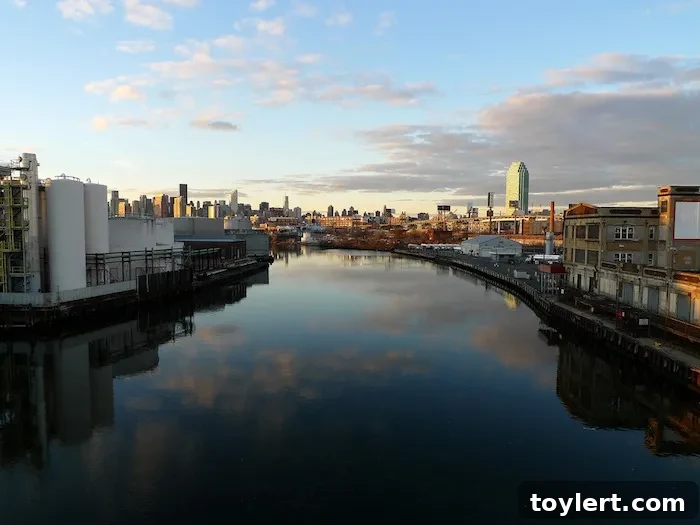
For generations, Greenpoint residents lived with the hidden burden of one of the largest and longest-lasting oil spills in U.S. history. This environmental catastrophe, which involved millions of gallons of petroleum products seeping into the earth from former industrial sites along Newtown Creek, left an indelible mark on the local ecosystem and public health. The polluted Newtown Creek, as depicted in the image above, stands as a stark visual reminder of the extensive damage.
The Exxon Mobil settlement represents a hard-won victory for environmental advocacy and community resilience. It established the Greenpoint Environmental Fund, a dedicated body tasked with overseeing the distribution of these funds to ensure they directly benefit the affected community. The GCEF’s overarching goal is to facilitate transformative environmental remediation and restoration, fostering a healthier, more sustainable Greenpoint for all its inhabitants.
Unlocking Potential: The Greenpoint Environmental Fund’s Request for Proposals
The GCEF’s Request for Proposals (RFP) outlines a clear pathway for eligible organizations to access this vital funding. Projects are encouraged to address a comprehensive range of environmental concerns, reflecting the multifaceted nature of Greenpoint’s challenges. Key areas of focus include:
- Improving Water Quality: Initiatives targeting the restoration and cleanliness of Newtown Creek and other local waterways, crucial for ecological health and recreational use.
- Groundwater Remediation: Projects designed to clean up the extensive groundwater contamination, preventing further spread and protecting subsurface resources.
- Enhancing Air Quality: Strategies to reduce airborne pollutants, which can originate from both industrial activities and urban heat island effects, directly impacting community health.
- Pollution Reduction: Broader efforts to minimize sources of pollution, promote waste reduction, and encourage sustainable practices across the neighborhood.
The RFP stipulates that individual projects can be funded anywhere from $5,000 to $2,000,000, allowing for both targeted, smaller-scale interventions and larger, more ambitious infrastructure projects. This flexible funding framework ensures a wide spectrum of impactful initiatives can be supported. As per the official RFP document, eligibility is exclusively extended to non-profit organizations and government bodies. A paramount requirement for all submissions is demonstrating significant support from the Greenpoint community, underscoring the fund’s commitment to community-driven solutions.
Empowering the Community: Suggested Project Categories
To guide prospective applicants, the GCEF’s RFP provided several illustrative examples of projects that could bring tangible benefits to Greenpoint:
- Waterfront Restoration and Access: Reclaiming and revitalizing Greenpoint’s waterfront areas along Newtown Creek. This could involve restoring natural habitats, creating new public parks and green spaces, improving pedestrian access, and implementing ecological engineering solutions to stabilize shorelines.
- Installation of Rain Gardens and Green Infrastructure: Deploying innovative stormwater management solutions such as rain gardens, permeable pavements, and bioswales. These projects help to absorb rainwater, reduce runoff pollution into waterways, replenish groundwater, and beautify urban landscapes.
- Extensive Tree Planting Initiatives: Launching large-scale programs to plant native trees throughout the neighborhood. This not only enhances Greenpoint’s aesthetic appeal but also significantly improves air quality, reduces urban heat, provides vital habitat for wildlife, and contributes to overall community well-being.
- Greening Public Buildings: Retrofitting public facilities with sustainable technologies. Examples include installing solar panels, implementing energy-efficient HVAC systems, constructing green roofs, and utilizing sustainable building materials to reduce energy consumption and environmental footprint.
- Environmental Education and Stewardship Programs: Developing and implementing educational initiatives that raise awareness about Greenpoint’s environmental challenges and solutions. These programs could involve workshops, community science projects, and school-based curricula designed to foster a new generation of environmental stewards and promote sustainable lifestyles.
- Hazardous Waste Site Cleanups: Targeting smaller, localized areas of historical contamination beyond the major oil spill, ensuring a safer living environment for residents.
- Habitat Creation and Biodiversity Enhancement: Projects focused on creating and restoring natural habitats within the urban fabric, such as pollinator gardens, bird sanctuaries, and native plant preserves, to boost local biodiversity and ecosystem health.
The emphasis on robust community support is central to the GCEF’s philosophy. It recognizes that sustainable environmental change is best achieved when solutions are developed in close collaboration with the people who live and work in Greenpoint. By empowering local residents, community groups, and businesses to actively participate in the planning and implementation phases, the fund aims to ensure projects are not only effective but also deeply rooted in the community’s needs and aspirations, fostering a shared sense of ownership and long-term commitment.
Beyond the Cleanup: A Vision for Greenpoint’s Sustainable Future
The availability of $19.5 million signifies more than just a financial transaction; it represents a profound investment in Greenpoint’s future. This funding offers an unparalleled opportunity to transform environmental liabilities into enduring community assets. Imagine a Greenpoint where the waters of Newtown Creek run cleaner, where lush waterfront parks invite public enjoyment, where the air is healthier to breathe, and where green spaces thrive, enhancing both ecological vitality and resident quality of life.
The projects ultimately selected by the Greenpoint Environmental Fund will serve as powerful examples of how targeted investments, combined with dedicated community action, can lead to monumental positive change. The impact will resonate far beyond immediate cleanup efforts, cultivating a stronger sense of local pride, deepening environmental awareness, and establishing Greenpoint as a model for urban ecological restoration. This initiative is a testament to the community’s enduring spirit and its unwavering commitment to building a greener, more resilient future.
This call for proposals is a clear invitation to non-profit organizations and governmental bodies within Greenpoint to bring forward their most innovative and impactful environmental visions. By channeling these funds strategically, Greenpoint is not merely addressing the environmental burdens of its past; it is actively shaping a more vibrant, healthy, and sustainable tomorrow for generations to come.
$19.5 Million Now Up for Grabs for Greenpoint Environmental Projects [DNAinfo]
Continue Reading View Full Article