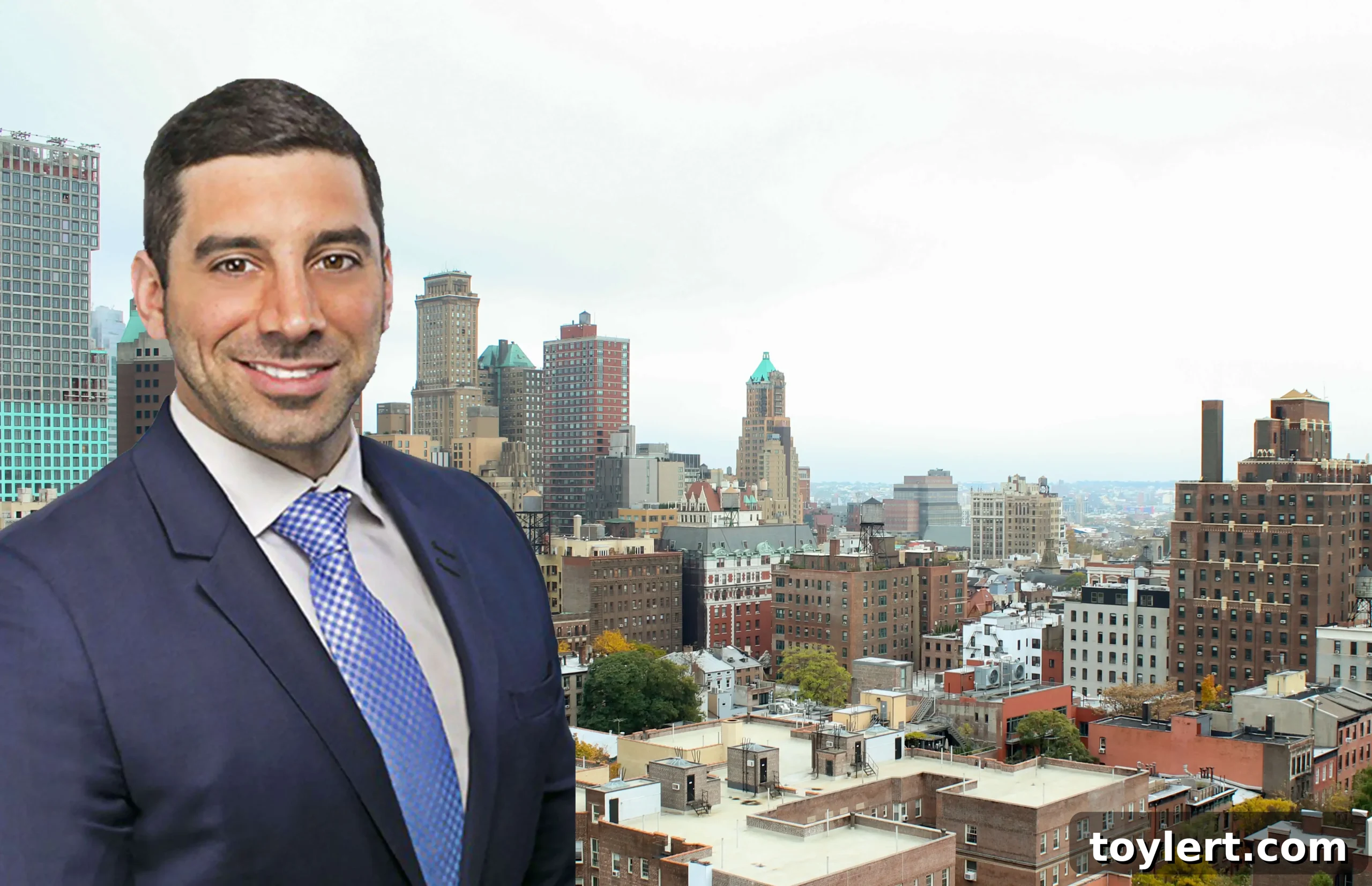
Navigating New York City’s Evolving Retail Landscape: Insights from Meridian Retail Leasing’s Greg Goldberg
New York City, a global epicenter of commerce, culture, and innovation, faced unprecedented challenges in the wake of the COVID-19 pandemic. Its vibrant streets, once bustling with shoppers, diners, and revelers, transformed almost overnight, leaving many to wonder about the future of its iconic retail, dining, and nightlife sectors. In a compelling discussion on The Brownstoner Podcast, Greg Goldberg, a distinguished director at Meridian Retail Leasing’s midtown office, offered invaluable perspectives on the pandemic’s profound impact and the city’s tenacious path to recovery and reinvention.
Goldberg, whose professional journey uniquely spans both the restaurant industry and design before his pivotal role in retail leasing, brings a holistic understanding to the complexities of commercial real estate. His diverse background provides him with an acute awareness of the operational intricacies and aesthetic considerations that are critical for businesses to thrive in a demanding market like New York. This comprehensive insight makes his analysis particularly pertinent as the city grapples with redefining its commercial identity.
The Shifting Tides: From Closures to a Tenant’s Market
“Stores are going out of business, which is sad,” Goldberg acknowledged, reflecting on the palpable sense of loss felt across the city. The pandemic accelerated trends that were already challenging traditional brick-and-mortar retail, pushing many beloved establishments to their breaking point. High overheads, sudden drops in foot traffic, and rapidly changing consumer habits proved insurmountable for numerous businesses, leading to a noticeable increase in vacant storefronts across all five boroughs.
However, Goldberg quickly pivoted to a perspective rooted in opportunity, characteristic of New York City’s relentless spirit. “But when one closes, another opens. It’s a tenant’s market,” he affirmed. This observation highlights a significant power shift within the commercial leasing landscape. With a surplus of available properties, landlords are often more willing to negotiate favorable terms, offering lower rents, more flexible lease agreements, and robust incentive packages to attract new businesses. This dynamic environment empowers prospective tenants with unprecedented leverage, enabling them to secure prime locations that might have been unattainable in a pre-pandemic market.
The visual evidence of this shift is undeniable. “You can’t walk down an avenue without seeing a for rent sign,” Goldberg noted. These ubiquitous signs, while initially symbols of economic distress, also signal a period of immense potential. They represent blank canvases for entrepreneurs, innovative concepts, and resilient brands looking to make their mark on the city’s revitalized commercial fabric. This surge in vacancies is not merely a sign of decline but also a precursor to a wave of entrepreneurial resurgence, fostering a landscape ripe for fresh ideas and adaptive business models.
Resilience in Data: Lease Activity and Emerging Trends
Despite the prevailing sentiment of economic slowdown, Goldberg revealed a crucial insight: while the number of leases undeniably dropped in 2020, deals were, and continue to be, made. This underscores the underlying resilience of New York City’s commercial real estate market and the enduring appeal of establishing a presence here. The nature of these deals, however, has evolved significantly. Tenants are scrutinizing locations more carefully, prioritizing spaces that offer adaptability, strong digital integration capabilities, and proximity to loyal local communities over reliance on commuter or tourist traffic alone.
The types of businesses entering the market are also changing. While some traditional retail and dining concepts have struggled, others, particularly those focused on essential services, experiential offerings, or efficient delivery models, have found new avenues for growth. The pandemic accelerated the adoption of omnichannel strategies, where brick-and-mortar stores complement robust online presences, blurring the lines between physical and digital commerce. Additionally, smaller, more agile businesses, often driven by local entrepreneurs, are seizing the opportunity presented by more affordable rents to establish community-focused shops, cafes, and service providers.
A Glimmer of Hope: Vaccines, Spring, and the Return of NYC’s Vigor
Goldberg’s outlook is markedly optimistic, echoing a sentiment of renewed hope that swept across the city as recovery efforts gained momentum. “Vaccines are coming out, spring is coming, people are in a better mood. As soon as we get back to normal, this city is going to be back,” he predicted with confidence. This statement is more than just wishful thinking; it’s a testament to New York City’s inherent magnetism and capacity for renewal.
The rollout of vaccines marked a critical turning point, instilling a sense of safety and encouraging residents to re-engage with urban life. The arrival of spring, with its longer days and warmer weather, naturally lifted spirits and facilitated the resurgence of outdoor dining and public gatherings, reminding New Yorkers of the communal joys they had missed. This improved public mood is a vital ingredient for economic recovery, translating into increased consumer confidence and a greater willingness to patronize local businesses.
Goldberg’s prediction about the city “getting back to normal” implies a return to vibrancy, but it’s important to recognize that this “normal” may look different from the pre-pandemic era. It’s likely to be a new, evolved normal, characterized by hybrid work models, a continued emphasis on outdoor spaces, enhanced health and safety protocols, and a deeper appreciation for local, community-centric commerce. This adaptation is not a weakness but a strength, demonstrating the city’s ability to innovate and redefine itself in the face of adversity.
The Future of NYC’s Stores, Eateries, and Nightlife
Retail Reinvented
The retail sector in New York City is undergoing a profound transformation. Traditional department stores and large chains are re-evaluating their footprints, while smaller, independent boutiques are focusing on unique customer experiences, curated selections, and strong brand narratives. Experiential retail, where shopping becomes an immersive activity rather than a mere transaction, is gaining traction. Pop-up shops and temporary installations are offering brands flexible ways to test new markets or engage with consumers seasonally, taking advantage of the tenant-friendly market conditions. Furthermore, the integration of technology, such as augmented reality fitting rooms or personalized digital assistants, is becoming crucial for retailers to stay competitive.
Dining’s Delicious Evolution
New York’s legendary restaurant scene has showcased incredible resilience and adaptability. Outdoor dining, initially a necessity, has become a beloved fixture, transforming streetscapes and creating new social hubs. Ghost kitchens and virtual brands, focusing purely on delivery and takeout, have emerged as viable business models, allowing chefs to experiment with new concepts at lower overheads. Meanwhile, fine dining establishments are finding creative ways to maintain their high standards of service and culinary artistry, often through multi-course tasting menus, private dining experiences, or subscription meal kits. The emphasis on local sourcing, sustainable practices, and community engagement has also grown stronger, reflecting a more conscious consumer base.
Nightlife’s New Rhythm
The city’s iconic nightlife, from intimate jazz clubs to bustling dance floors, faced some of the steepest challenges. However, as restrictions eased, innovators within the industry began to reimagine entertainment. Hybrid models that blend live performances with streaming options, enhanced ventilation systems, and creative seating arrangements are becoming more common. Bars and clubs are also exploring earlier opening hours, curated events, and a greater focus on craft beverages and food offerings to diversify their appeal. The spirit of celebration and social connection that defines New York’s nightlife is indelible, and while its form may evolve, its essence will undoubtedly endure, contributing to the city’s unique energy.
Meridian Retail Leasing’s Role in Shaping Tomorrow
As New York City embarks on this exciting phase of recovery and reinvention, firms like Meridian Retail Leasing play a critical role. By connecting landlords with the right tenants and guiding businesses through the complexities of commercial leases, they are instrumental in shaping the city’s future commercial landscape. Greg Goldberg and his team provide invaluable market intelligence, negotiation expertise, and a deep understanding of evolving industry trends, ensuring that both property owners and aspiring businesses can navigate this dynamic environment successfully.
Goldberg’s insights underscore a fundamental truth about New York City: its perpetual state of flux is not a weakness but its greatest strength. The city is a living organism, constantly shedding old layers and regenerating anew. The challenges of the pandemic have undoubtedly left scars, but they have also ignited a powerful wave of innovation, adaptability, and community spirit. With expert guidance and an unwavering belief in its own resilience, New York City is not just recovering; it is evolving, poised to reclaim its status as a global leader in retail, dining, and nightlife, better and more vibrant than ever before. For further deep dives into these fascinating shifts and expert commentary, be sure to tune into The Brownstoner Podcast.