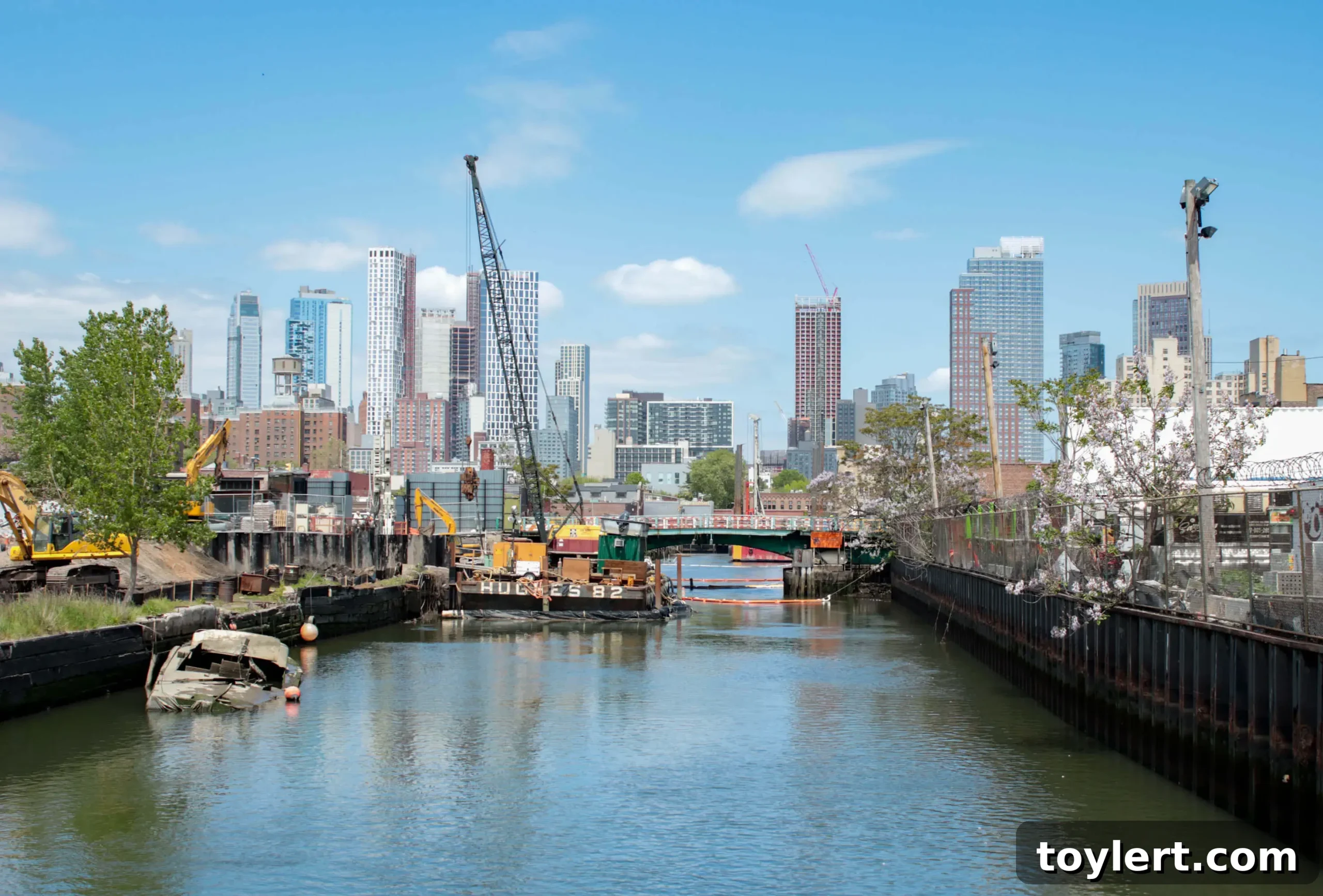
In a dynamic urban landscape like New York City, the future of its neighborhoods is constantly under discussion, and few topics spark as much debate as comprehensive rezoning initiatives. Currently, the Gowanus neighborhood in Brooklyn finds itself at the epicenter of such a conversation, with a significant push for a planned rezoning met by equally strong local opposition. A prominent pro-development advocacy group, Open New York, has recently amplified its efforts, launching a robust initiative to compel city regulators to proceed with the long-anticipated Gowanus rezoning. This strategic move comes as a direct counter to a burgeoning campaign by local residents and community organizations who have called for a moratorium on the plans, citing the profound and unprecedented disruptions caused by the ongoing COVID-19 pandemic. The conflict underscores the intricate challenges of urban development, particularly when intertwined with public health crises and socioeconomic disparities.
The proposed Gowanus rezoning is not merely a change on paper; it represents a foundational shift for a community steeped in industrial history, now poised for a new chapter of residential and commercial growth. At its core, the debate revolves around the pressing need for affordable housing in one of the world’s most expensive cities and the imperative to ensure equitable development that benefits all existing and future residents. Open New York, a vocal proponent of increased housing density and affordability across the city, has thrown its considerable weight behind the rezoning, emphasizing its potential to unlock vital opportunities for creating much-needed below-market-rate housing units. The organization’s petition, which quickly amassed over 100 signatures, articulates a clear vision: the Gowanus rezoning is a crucial mechanism for addressing New York City’s persistent housing crisis, a crisis that has only been exacerbated by the economic fallout and health uncertainties brought about by the global pandemic. This perspective highlights the urgency of creating accessible housing options as a cornerstone of urban resilience.
Advocates for the Gowanus rezoning argue that strategic land-use changes are indispensable tools for fostering a more inclusive and economically vibrant city. The specific proposal for Gowanus includes provisions for mandatory inclusionary housing, a policy framework that compels developers to set aside a certain percentage of new units as permanently affordable for low- and moderate-income households. This mechanism, proponents assert, is one of the most effective ways to generate substantial affordable housing without relying solely on public subsidies. From Open New York’s perspective, delaying such a critical initiative during a pandemic, when housing instability is at an all-time high, would be a disservice to countless New Yorkers struggling to secure safe, affordable homes. They highlight that the economic downturn has underscored the fragility of many households, making the availability of diverse housing options, particularly affordable ones, more critical than ever before. This proactive approach aims to address systemic housing inequalities through market-driven development incentives.
Furthermore, supporters envision the Gowanus rezoning as an unparalleled opportunity to transform a historically industrial zone into a dynamic mixed-use community. This transformation would not only introduce new residential options but also foster job creation, enhance public spaces, and stimulate local businesses, contributing significantly to Brooklyn’s economic vitality. The strategic location of Gowanus, with its excellent public transit access and proximity to established Brooklyn neighborhoods, makes it an ideal candidate for increased density and transit-oriented development. Open New York believes that intelligent growth, guided by thoughtful planning, can create a more sustainable and equitable city for future generations, and the Gowanus plan is a cornerstone of this broader urban development philosophy. They emphasize that while immediate concerns about the pandemic are valid, the long-term benefits of increasing housing supply, especially affordable housing, far outweigh the costs of delay, paving the way for a more resilient and diverse community.
Conversely, the coalition of local residents, community groups, and elected officials who oppose the rezoning, or at least its current timing, articulate a range of serious concerns that extend beyond the immediate health crisis. Their primary objection, amplified by the current global health crisis, centers on the fundamental unfairness and practical difficulties of proceeding with such a momentous land-use decision during a pandemic. The Uniform Land Use Review Procedure (ULURP), New York City’s formal public review process for zoning changes, relies heavily on in-person public hearings, community board meetings, and extensive outreach. With social distancing mandates, public health concerns, and the immediate financial and personal challenges facing households, locals argue that meaningful community engagement — a cornerstone of fair planning — is severely compromised. They contend that the integrity of the democratic process is at stake if significant decisions are rushed through without the full participation and input of affected communities, demanding a more transparent and accessible planning process.
Beyond the procedural challenges posed by COVID-19, the opposition also raises substantive critiques of the Gowanus rezoning plan itself. Many residents express deep anxieties about potential gentrification and displacement, fearing that new high-rise developments will inevitably price out existing businesses and long-term residents, thereby eroding the unique character and social fabric of Gowanus. Concerns about the strain on existing infrastructure are also pervasive; local schools, public transportation networks, sewage systems, and healthcare facilities are already under considerable pressure, and opponents question whether the proposed development adequately addresses these looming challenges. The environmental implications, particularly given Gowanus’s proximity to the federally designated Superfund site of the Gowanus Canal, are another critical point of contention. Locals demand comprehensive environmental impact assessments and robust mitigation strategies to ensure that development does not exacerbate pollution or flood risks in an already vulnerable area, advocating for truly sustainable development.
The Gowanus Canal itself is a critical ecological and historical feature of the neighborhood, and its ongoing, multi-million-dollar cleanup efforts add another layer of complexity to the rezoning debate. Residents and environmental advocates are wary that an influx of new residents and intensive construction could impede the delicate remediation process or introduce new environmental stressors, potentially reversing years of progress. They call for a more integrated approach that prioritizes the canal’s ecological health and public access, ensuring that any new development aligns with a sustainable vision for the waterfront and surrounding area. The historical industrial zoning, while perhaps unsightly to some, has also provided space for diverse small businesses and manufacturing, offering unique employment opportunities that might be lost in a rapid residential transformation. Preserving this economic diversity and safeguarding industrial jobs is another key demand from the local opposition, who seek a more balanced and nuanced development strategy.
City regulators and urban planners find themselves in a challenging position, tasked with balancing the urgent need for housing and economic development with legitimate community concerns and the unprecedented context of a global pandemic. The debate surrounding the Gowanus rezoning is a microcosm of broader tensions in urban planning: how to accommodate growth while preserving community identity, how to create affordability without inducing displacement, and how to conduct democratic processes in times of crisis. The initial, brief discussion of “dueling petitions” only hinted at the complex, multi-faceted conflict touching upon economic justice, environmental stewardship, democratic participation, and the very identity of a changing neighborhood. The city’s decision will have to weigh these numerous, often conflicting, priorities to forge a path forward that ideally serves the greater good while respecting local input.
Ultimately, the future of Gowanus and its ambitious rezoning plan will hinge on the ability of all stakeholders to engage in constructive dialogue, acknowledge each other’s perspectives, and perhaps find common ground through compromise and innovative solutions. While Open New York passionately advocates for immediate action to address the housing crisis, and local groups vociferously demand a halt to ensure fair process and responsible development, the city’s decision-makers face the unenviable task of navigating these complex demands. The outcome will not only shape the physical landscape of Gowanus for decades to come but also set a crucial precedent for how New York City approaches large-scale urban development in a post-pandemic world, where public health, economic stability, and community empowerment are more intertwined than ever before, demanding holistic and equitable planning.
The ongoing discourse surrounding the Gowanus rezoning highlights a critical juncture for urban policy in New York City. It’s a testament to the fact that even with the best intentions for growth and affordability, development projects can face significant hurdles when they clash with the deeply held values and practical concerns of existing communities. A truly successful rezoning plan would ideally address both the pressing need for housing across income levels and the imperative to protect and uplift the current residents and unique character of the Gowanus neighborhood. This requires an iterative process of listening, adapting, and finding innovative solutions that prioritize equity, sustainability, and genuine community collaboration, rather than simply imposing changes from above. The opportunity exists to craft a model for inclusive growth that respects history while building for the future.
As the petitions continue to gather momentum on both sides of the issue, the eyes of urban planners, housing advocates, environmental activists, and community organizers across the city remain fixed on Gowanus. The resolution of this particular planning battle could provide invaluable insights into how large metropolitan areas can navigate the complexities of urban growth in an era defined by rapid change, economic uncertainty, and an evolving understanding of what truly constitutes inclusive and resilient urban development. The final decision will undoubtedly have far-reaching implications, not just for the blocks surrounding the Gowanus Canal, but for the very soul of New York City’s approach to its future, shaping how it balances development imperatives with community well-being and environmental stewardship in the 21st century.