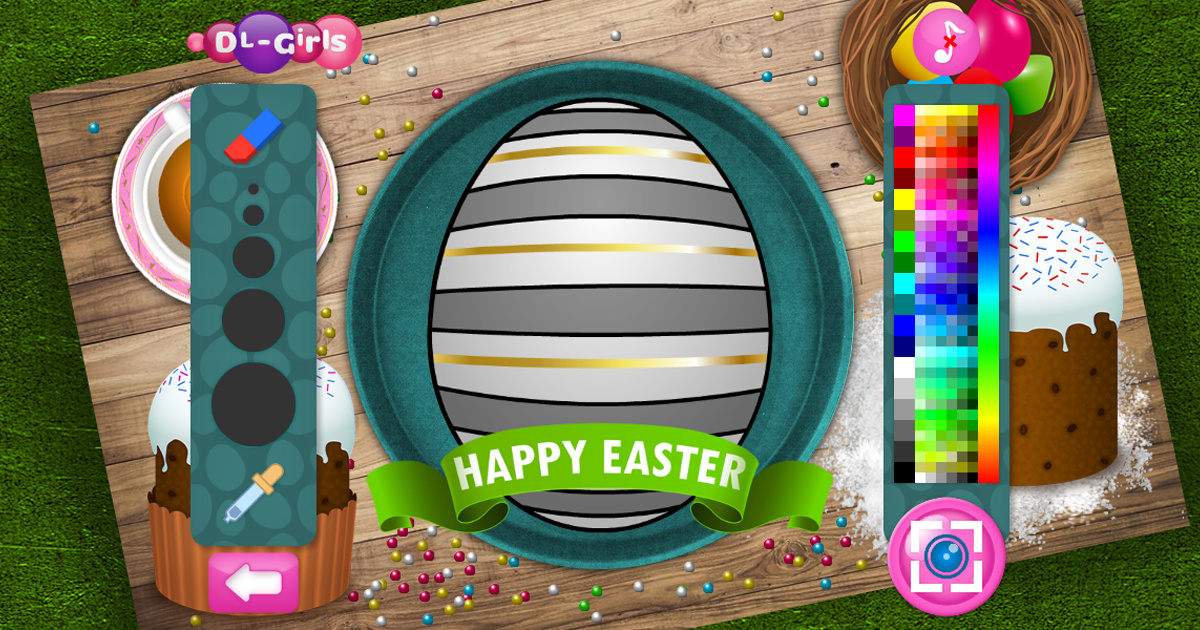

Hence, Easter has arrived! The Easter egg functions as a symbol of the spring festivity alongside the Easter cake and cottage cheese treat. The egg represents existence, rejuvenation, and the practice of adorning eggs for Easter has its roots in ancient eras. According to folklore, Mary Magdalene presented the first Easter egg to the Roman emperor Tiberius to proclaim the miraculous resurrection of Jesus Christ. In another narrative, it is said that the Virgin Mary initiated the practice of coloring eggs to entertain the young Jesus Christ.
The tint of an egg is influenced by its dye, and the color itself bears importance: red is a regal shade, symbolizing God’s love for humanity, while blue signifies the Blessed Virgin, evoking compassion, hope, and love for others. White is a celestial hue that indicates purity and spirituality, whereas yellow, akin to orange and gold, signifies prosperity and abundance. Green, a combination of blue and yellow, symbolizes growth and renewal. Multicolored and embellished eggs create a cheerful atmosphere and serve as the foundation of Easter celebrations. Everyone delights in participating in activities associated with Easter eggs, especially children. It is time for imagination. Let’s gather paints and brushes. Convert each egg into a masterpiece.
*mouse*
Handmade Easter Eggs Coloring Book Screen Shots: