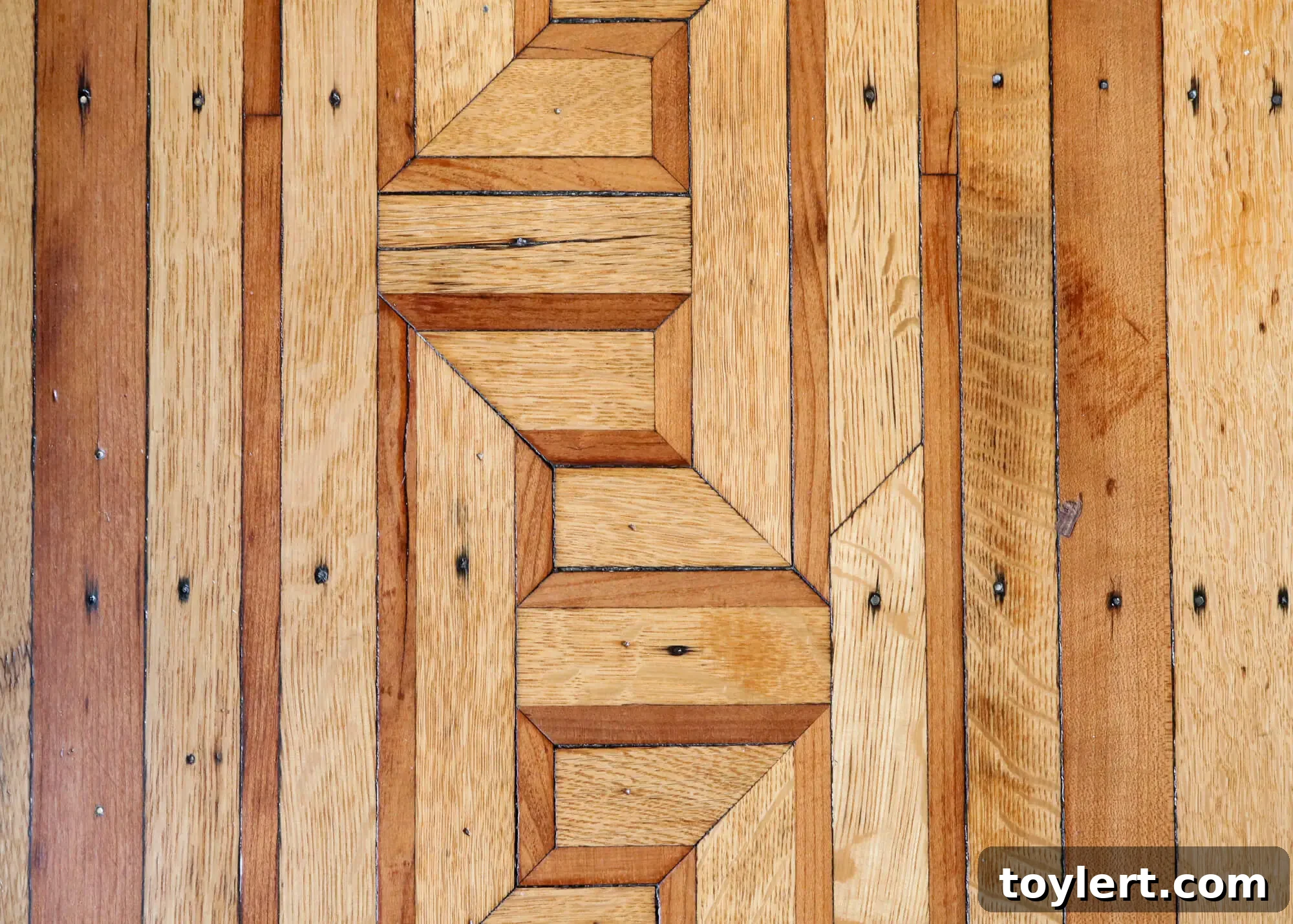
Choosing Replacement Flooring for Your Parlor: Blending Historic Charm with Modern Practicality
The parlor, often considered the heart of a historic home, is a space steeped in tradition and elegance. It’s where guests were formally received, where families gathered for special occasions, and where the finest craftsmanship of the era was often displayed. When the time comes to replace its flooring, particularly intricate parquet, homeowners face a unique challenge: how to echo the original beauty and character of the space while navigating contemporary budgets and modern durability needs.
This comprehensive guide aims to address these concerns, offering practical advice on wood types, finishes, and installation considerations to help you restore your parlor’s grandeur without breaking the bank. We understand the worry that duplicating a truly original, custom-designed parquet might be beyond financial reach, which is why we’ll explore various options that offer both authenticity and affordability.
Understanding Your Parlor and Its Historic Context
Before diving into specific materials, it’s crucial to appreciate the significance of your parlor. Parlors were designed to impress, to showcase the homeowner’s taste and status. This often translated into luxurious materials, elaborate patterns, and meticulous craftsmanship in everything from wall coverings to, critically, the flooring.
Replacing flooring in such a space isn’t just about covering the subfloor; it’s about preserving a piece of history and ensuring the new floor complements the existing architectural features. The goal is to select a floor that looks as though it could have been there from the start, contributing to the home’s narrative rather than detracting from it.
What Does “Original Look” Truly Mean?
When homeowners seek to “echo the look of the original,” they often refer to a combination of factors:
- Wood Species: Was it oak, walnut, cherry, or even a combination?
- Cut of Wood: Plain sawn, quarter sawn, or rift sawn all produce different grain patterns and stability.
- Plank Width and Length: Historic floors often featured narrower, shorter planks compared to many modern installations.
- Pattern: If the original was parquet, the specific geometric pattern is a key characteristic. Even plank floors might have had borders or intricate inlays.
- Finish and Patina: The subtle sheen, color depth, and natural aging process contribute significantly to the “original” feel.
Decoding the Original Look: Research and Replication
To accurately replicate or complement your parlor’s original flooring, a little detective work can go a long way. Look for clues in less trafficked areas, under existing rugs, or even in closets that might reveal the original wood species and finish. Historic photos of similar homes from your property’s era can also be invaluable resources.
Identifying the Original Wood Species and Cut
Common wood species for parlors in historic homes often included:
- Oak (White and Red): Highly prevalent due to its durability, availability, and attractive grain. White oak offers a slightly cooler tone, while red oak has warmer, pinkish undertones. Both take stain well.
- Maple: Hard, fine-grained, and lighter in color, maple was often chosen for its clean, sophisticated look.
- Walnut: A premium choice, prized for its rich, dark color and luxurious appearance.
- Cherry: Known for its warm, reddish-brown hues that deepen beautifully with age.
- Pine (especially Heart Pine): While softer, the tight grain and rich color of old-growth heart pine made it a popular and durable choice in many regions, particularly for homes built before the widespread availability of harder woods.
Understanding the wood’s cut (plain-sawn, quarter-sawn, or rift-sawn) is also important. Quarter-sawn and rift-sawn woods, though more expensive, offer superior stability and a distinctive grain pattern often found in higher-end historic installations.
Replicating Parquet or Choosing Period-Appropriate Planks
If your original flooring was parquet, you have a few options. True parquet, made from individual wood blocks laid in intricate geometric patterns (herringbone, chevron, basketweave, Versailles), can be costly to replicate precisely. However, modern manufacturers offer:
- Engineered Parquet: Pre-assembled panels that simplify installation and can reduce costs.
- Solid Parquet: More expensive, but offers the truest reproduction.
- Plank Flooring as an Alternative: Many parlors, even elegant ones, featured traditional plank hardwood floors. If precise parquet replication is out of budget, consider solid hardwood planks (e.g., narrow, quarter-sawn oak) with a period-appropriate finish. This can still achieve a historical aesthetic while being more budget-friendly.
Navigating Budget Constraints: Authenticity vs. Affordability
Budget is often the most significant factor in restoration projects. The good news is that you don’t always have to sacrifice authenticity for affordability. Smart choices can help you achieve a stunning, historically sensitive parlor floor within your financial parameters.
Wood Species Alternatives
If a premium wood like walnut or quarter-sawn white oak is too expensive, consider:
- Red Oak: Often more affordable than white oak, it can still be stained to achieve a similar depth of color.
- Ash: Similar in hardness and appearance to oak, but sometimes available at a lower price point.
- Maple (for lighter tones): If your desired look is lighter, maple can be a durable and slightly less expensive option than some premium oaks.
Engineered Hardwood for Stability and Cost-Efficiency
Modern engineered hardwood floors are a fantastic option for historic homes, especially in areas with fluctuating humidity. They consist of a real wood veneer (the top layer) bonded to multiple layers of plywood or high-density fiberboard. Benefits include:
- Stability: Less prone to expansion and contraction than solid wood.
- Versatility: Can be installed in more environments.
- Cost-Effective: Often more affordable than solid wood, especially for rarer species, as the expensive wood is only in the visible veneer.
- Authenticity: High-quality engineered floors are indistinguishable from solid wood once installed. Ensure the veneer layer is thick enough (at least 3-4mm) for future refinishing.
Reclaimed Wood: A Sustainable and Authentic Choice (with caveats)
Reclaimed wood, sourced from old barns, factories, or other historic buildings, offers unparalleled character and authenticity. It often comes from old-growth trees no longer available, boasting tighter grain and unique imperfections. However, reclaimed wood can be more expensive due to the sourcing and milling process, and supplies can be limited. If budget allows, it’s an excellent choice for truly replicating an aged look.
Exploring Wood Types for Your Parlor Floor
Let’s delve deeper into common wood types suitable for a parlor, considering their aesthetic, durability, and cost.
Oak (Red and White)
- Pros: Excellent durability, widely available, takes stain beautifully, moderate cost, classic appearance. White oak is slightly harder and more water-resistant, while red oak has a distinctive grain pattern.
- Cons: Common, so may not feel “unique” if you desire something rarer. Red oak can have a pinkish hue that some homeowners dislike.
- Ideal For: Homeowners seeking a timeless, robust floor that fits most historic periods and budgets.
Maple
- Pros: Very hard and durable, fine grain, resists dents well, lighter natural color for a bright space.
- Cons: Can be challenging to stain evenly due to its dense grain, and may yellow slightly over time.
- Ideal For: Parlors where a lighter, cleaner, and extremely durable floor is desired.
Walnut
- Pros: Rich, dark, luxurious appearance, moderate hardness, distinctive grain pattern. Adds a sense of warmth and sophistication.
- Cons: Higher cost, slightly softer than oak (more prone to dents), natural UV exposure can lighten it over time.
- Ideal For: Premium parlors where budget allows for a truly elegant, distinctive dark floor.
Cherry
- Pros: Warm, reddish-brown tones that deepen beautifully with age and exposure to light, fine grain, luxurious feel.
- Cons: Softer than oak or maple, higher cost, can be susceptible to dents and scratches.
- Ideal For: Parlors where a sophisticated, warm, and rich reddish hue is desired.
Pine (Heart Pine, Southern Yellow Pine)
- Pros: Historic authenticity, often more budget-friendly, beautiful warm tones, distinct knot and grain patterns for character.
- Cons: Softer than hardwoods, more prone to dents and scratches, requires careful maintenance.
- Ideal For: Homes where a rustic, character-filled, and historically accurate floor from earlier periods is preferred, and the homeowner accepts the natural wear and tear.
The Art of the Finish: Protecting and Enhancing Your Floor
The finish you choose is just as important as the wood itself. It protects the floor, enhances its natural beauty, and significantly impacts the final aesthetic and maintenance requirements. For a historic parlor, selecting the right finish is key to achieving that authentic, time-honored look.
Traditional and Modern Finish Options
- Oil-Based Polyurethane: A classic choice, known for its durability and slight ambering effect, which adds warmth to the wood. It provides a hard, protective layer and is relatively easy to maintain.
- Water-Based Polyurethane: A more modern, environmentally friendly option. It dries faster, has less odor, and maintains the natural color of the wood without the ambering effect of oil-based poly. It offers excellent durability, often preferred for a lighter, contemporary look or to preserve the true color of light woods.
- Penetrating Oil Finishes: These oils soak into the wood rather than forming a layer on top, offering a very natural, matte look that accentuates the wood grain. They are easy to spot-repair, but require more frequent reapplication and offer less surface protection against scratches and moisture than polyurethanes. Ideal for achieving an aged, subtle sheen common in older homes.
- Wax Finishes: Historically accurate for many older homes, wax creates a soft, low-sheen finish. It’s beautiful but high-maintenance, requiring regular buffing and reapplication. Not suitable for high-traffic areas or homes with pets due to its lower durability.
- Hardwax Oils: A hybrid that combines the natural look of penetrating oils with added durability. They offer good protection and are easier to maintain than traditional oils or waxes, making them a popular choice for historic restorations that prioritize natural aesthetics.
Sheen Level: Matte, Satin, Semi-Gloss, High-Gloss
The level of sheen dramatically affects how your floor looks and feels:
- Matte/Satin: Most common for historic looks as they mimic the softer sheen of traditional oil or wax finishes. They hide imperfections better and create a subtle, elegant backdrop.
- Semi-Gloss/High-Gloss: Offer a more reflective, formal appearance. While stunning in certain settings, they tend to show dust and scratches more readily and might appear less “historic” unless perfectly maintained.
For a parlor aiming to echo its original charm, a matte or satin finish is often the most appropriate choice, providing a warm, inviting, and historically accurate appearance.
Staining for Desired Color
If the natural color of your chosen wood isn’t quite right, staining can help achieve the desired hue. For historic homes, consider stains that mimic the darker, richer tones often found in period floors (e.g., darker browns, reddish-browns). Always test stains on scrap pieces of your chosen wood, as the final color can vary significantly based on the wood species and how it absorbs the stain.
Installation Considerations: The Foundation of a Lasting Floor
Proper installation is paramount for the longevity and beauty of your new parlor floor. Cutting corners here can lead to costly problems down the road.
Subfloor Preparation
Ensure your subfloor is perfectly level, clean, dry, and structurally sound. Any imperfections in the subfloor will eventually telegraph through your new hardwood, leading to squeaks, dips, or unevenness. This is especially critical in older homes where subfloors may have settled or sustained damage over time.
Acclimation
Wood is a natural material that expands and contracts with changes in humidity and temperature. It’s crucial to allow your new flooring to acclimate to your home’s environment for several days (or even weeks, depending on the wood and climate) before installation. This minimizes gapping or buckling after installation.
Installation Methods
- Nail-Down/Staple-Down: The traditional method for solid hardwood and some engineered floors, providing a very secure installation.
- Glue-Down: Often used for engineered wood, especially over concrete slabs or radiant heating systems.
- Float: Typically for engineered or laminate floors, where the planks lock together and rest on a cushion over the subfloor, without being directly attached.
Professional vs. DIY Installation
While DIY can save money, installing hardwood flooring, particularly in a historic parlor where precision and historical accuracy are key, is a job best left to experienced professionals. A skilled installer will understand the nuances of working with different wood types, subfloor conditions, and period-specific installation techniques, ensuring a flawless and long-lasting result.
Long-Term Care and Maintenance for Your Historic Parlor Floor
Once your new parlor floor is installed, proper care and maintenance will ensure its beauty endures for generations.
- Regular Cleaning: Dust mop or vacuum regularly to remove grit that can scratch the finish. Use wood-specific cleaners sparingly, following the manufacturer’s recommendations for your finish type. Avoid excessive water, harsh chemicals, or steam cleaners.
- Protect from Damage: Place felt pads under all furniture legs. Use area rugs in high-traffic zones or under heavy furniture to protect against wear and tear. Keep pet nails trimmed.
- Control Humidity: Maintain consistent indoor humidity levels (ideally between 35-55%) using humidifiers or dehumidifiers to minimize wood expansion and contraction.
- Sunlight Protection: Use curtains or blinds to protect your floor from direct, prolonged sunlight, which can cause fading or color changes.
- Refinishing Schedule: Depending on traffic and finish type, a professional refinishing may be needed every 10-20 years for polyurethane finishes, or more frequently for oil finishes.
Conclusion: Crafting a Timeless Parlor Floor
Choosing replacement flooring for your parlor is a significant undertaking, but one that offers immense rewards in preserving your home’s character and beauty. By carefully considering the original aesthetic, exploring various wood species and finishes, and making informed decisions based on your budget, you can create a floor that not only honors the past but also stands resilient for the future.
Remember, the goal is to achieve a harmonious blend of historical integrity and modern practicality. Don’t hesitate to consult with flooring professionals, historic preservation experts, or architects specializing in period homes. Their expertise can be invaluable in guiding your choices, ensuring that your new parlor floor truly echoes the timeless elegance it deserves.