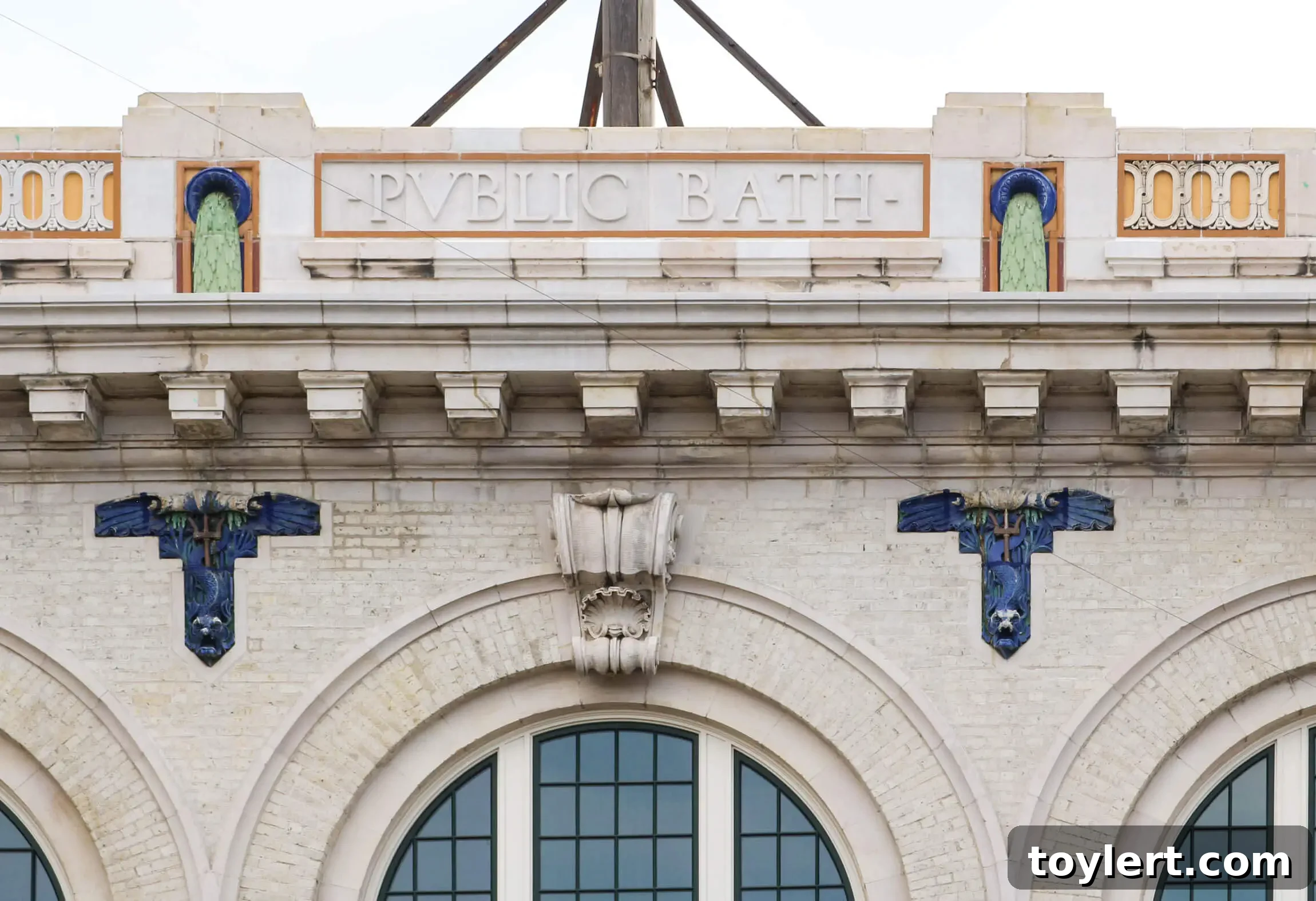
The venerable Brooklyn Lyceum, a celebrated landmark of Beaux Arts architecture and a former public bath located at 227 4th Avenue in the heart of Park Slope, has officially been placed on the market by its current owner, Greystone Development, with an asking price of $10.5 million. This significant listing marks a pivotal moment for one of Brooklyn’s most architecturally distinctive structures, inviting speculation about its future and its potential impact on the vibrant Park Slope neighborhood.
The news, first reported by Crain’s, has sent ripples through the local real estate and preservation communities. Thomas Ryan, Senior Head at Greystone, articulated the company’s position, stating, “We don’t have to sell, but we feel that market conditions are right.” This statement suggests a strategic decision by Greystone, aiming to capitalize on the robust demand for unique properties in prime Brooklyn locations, while perhaps signaling a shift in their portfolio focus. The sale of such a prominent historical building inevitably draws attention, not only for its financial implications but also for its cultural and architectural significance.
A Glimpse into the Brooklyn Lyceum’s Storied Past and Architectural Grandeur
To truly appreciate the Brooklyn Lyceum, one must delve into its rich history and exceptional architectural design. Built in 1906, the building originally served as Public Bath No. 7, a vital civic amenity during an era when many Brooklyn residents lacked indoor plumbing. These public baths were not merely places for hygiene but also served as community hubs, embodying progressive era ideals of public health and social welfare. The Lyceum’s design is a striking example of the Beaux Arts style, characterized by its classical elements, grand scale, symmetrical facades, elaborate ornamentation, and a sense of monumental dignity. Features such as colossal columns, intricate stone carving, rusticated bases, and impressive archways are hallmarks of this architectural movement, which aimed to evoke the grandeur of ancient Greek and Roman structures.
The building’s distinctive exterior, with its towering presence on 4th Avenue, stands in stark contrast to much of the surrounding urban landscape. Its landmark status, bestowed due to its architectural and historical significance, protects these essential features, ensuring that any future modifications must adhere to strict preservation guidelines. Over the decades, as the need for public baths waned, the building underwent various transformations. It transitioned from a utilitarian facility to a beloved cultural and event space, becoming known as the Brooklyn Lyceum. In this incarnation, it hosted a myriad of events, from art exhibitions and theatrical performances to community gatherings and private functions, cementing its role as an important cultural anchor in Park Slope.
Greystone’s Strategic Acquisition and Development Rights Transfer
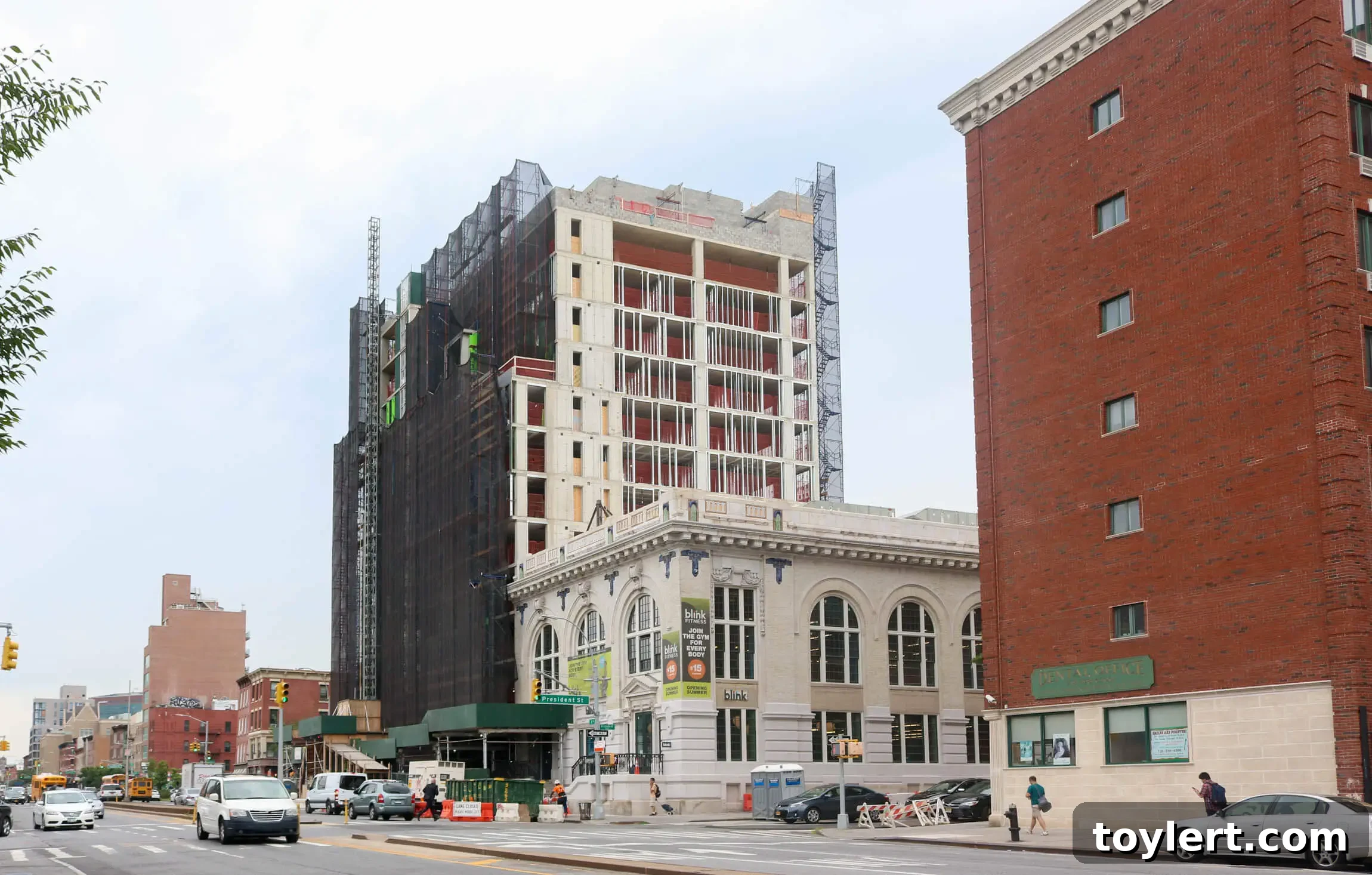
Greystone Development acquired the historic structure in 2014, recognizing its inherent value and strategic location. Their involvement, however, extended beyond simply owning the Lyceum. Greystone also possessed the adjacent property at 225 4th Avenue, a previously undeveloped or underutilized lot. This dual ownership presented a unique opportunity for Greystone to leverage a powerful urban planning tool: the transfer of development rights (TDRs).
Development rights transfers are a mechanism used in many urban areas, particularly those with a strong emphasis on historic preservation. In essence, they allow the unused development potential (often measured in square footage) from a protected or landmarked property to be sold or “transferred” to another, usually nearby, property. This process serves a dual purpose: it provides an economic incentive for owners of historic buildings to maintain and preserve their properties, as they can monetize their unused development capacity, and it allows for increased density in designated development zones without encroaching upon historic structures.
In the case of the Brooklyn Lyceum, Greystone successfully transferred approximately 20,000 square feet of development rights from the landmarked Lyceum building to the lot next door at 225 4th Avenue. This strategic move enabled them to construct a significantly larger building on the adjacent parcel than would have otherwise been permitted by zoning regulations. The result is a 12-story luxury rental building, meticulously designed by Daniel Goldner Architects, which is currently under construction. This new development, a modern residential tower, stands as a testament to the complex interplay between historic preservation and contemporary urban growth, with the Lyceum playing a crucial, albeit indirect, role in its scale and scope.
Park Slope: A Dynamic Setting for a Historic Sale
The Brooklyn Lyceum is nestled in Park Slope, one of Brooklyn’s most desirable and vibrant neighborhoods. Known for its stunning brownstones, tree-lined streets, excellent public parks (including Prospect Park), and a strong sense of community, Park Slope consistently ranks as a top residential destination. The neighborhood boasts a diverse array of independent shops, acclaimed restaurants, and a thriving cultural scene, attracting a mix of families, young professionals, and long-time residents.
While the brownstone blocks of Park Slope are largely preserved, 4th Avenue, where the Lyceum is situated, represents a dynamic corridor of change and development. Often referred to as “Brooklyn’s Gold Coast” or a burgeoning development artery, 4th Avenue has seen a dramatic transformation over the past two decades, with numerous new residential and commercial buildings rising. This avenue acts as a vital artery, connecting various Brooklyn neighborhoods and serving as a major transportation hub. The Lyceum’s location on this evolving thoroughfare places it at the intersection of historic charm and modern urban dynamism, making it an exceptionally unique offering in the current real estate landscape. Its sale is not just about a building; it’s about a piece of Park Slope’s legacy finding its next chapter within a rapidly changing urban fabric.
Market Conditions and Future Prospects for the Lyceum
Greystone’s decision to sell at this particular juncture, citing “right market conditions,” underscores the strength and resilience of the Brooklyn commercial real estate market, especially for properties with distinctive characteristics. The asking price of $10.5 million reflects not only the building’s physical attributes but also its landmark status, its prime location, and its potential for adaptive reuse. For prospective buyers, the Lyceum presents both unique opportunities and specific challenges.
The opportunities are manifold: a magnificent, historically significant Beaux Arts building in a sought-after neighborhood, offering substantial square footage and unparalleled architectural character. Potential buyers could include cultural institutions seeking a grand new home, event venue operators looking for a truly unique space, hospitality groups envisioning a boutique hotel or a high-end restaurant, or even innovative co-working space providers. Its inherent aesthetic appeal and historical gravitas could draw significant attention and patronage.
However, the landmark designation also imposes constraints. Any new owner would need to work closely with the Landmarks Preservation Commission to ensure that any proposed renovations or changes respect the building’s historic integrity. This typically involves meticulous planning, specialized architectural expertise, and often higher construction costs. Despite these challenges, the rarity of such an offering in Brooklyn suggests that there will be considerable interest from investors and developers who appreciate the intrinsic value of preserving and revitalizing historic assets.
Looking Ahead: The Lyceum’s Next Chapter
The sale of the Brooklyn Lyceum is more than just a real estate transaction; it’s a critical moment for a cherished piece of Brooklyn’s heritage. Its next owner will inherit not only a building of remarkable beauty and history but also a responsibility to shepherd its legacy into the future. The adaptive reuse of historic buildings like the Lyceum plays a crucial role in maintaining the character and narrative of a city while accommodating its evolving needs.
Whether it transforms into a vibrant new cultural center, an innovative commercial space, or a community hub, the Lyceum is poised for another exciting chapter. Its grand architecture and compelling story ensure that it will continue to be a focal point on 4th Avenue, a reminder of Park Slope’s past, and a beacon for its future. As the market awaits its next steward, the Brooklyn Lyceum stands as a testament to the enduring power of architecture and the dynamic spirit of one of New York City’s most beloved boroughs.