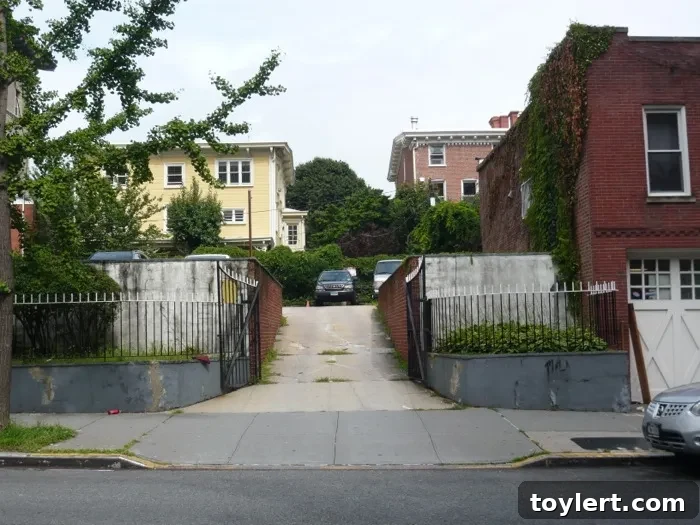
Fort Greene, a historic and vibrant Brooklyn neighborhood, stands at the cusp of a significant transformation. A prominent parcel of land, located at the addresses of 171 South Portland Avenue and 164 South Oxford Street, was sold last October for a substantial $7,500,000. This major real estate transaction paves the way for the demolition of its existing century-old structures, which will be replaced by new, modern apartment buildings. This development encapsulates the ongoing dynamic tension between preserving architectural heritage and accommodating the relentless demands of a rapidly growing urban landscape in one of New York City’s most sought-after areas.
The site currently houses three distinct buildings that collectively offer a glimpse into Brooklyn’s rich past. The centerpiece is an exquisite 1865 brick Italianate building, a style renowned for its picturesque, villa-like qualities. Characterized by a low-pitched roof, wide overhanging eaves, ornate decorative brackets, and tall, narrow windows often crowned with elaborate hoods, this mansion embodies the grandeur and intricate design prevalent in the post-Civil War era. Originally configured as a double duplex and a studio apartment, it stands as a testament to the architectural ambition and prosperity of its time, reflecting the changing residential needs of its successive owners.
Adjacent to this stately Italianate structure is a 19th-century carriage house. These utilitarian yet often charming buildings, once commonplace in urban centers, served as stables for horses and storage for carriages, frequently incorporating living quarters for coachmen or stablehands. As the era of horse-drawn transport faded, many carriage houses were ingeniously converted into unique residential spaces, valued for their distinctive historical character and rustic appeal. This particular carriage house had been thoughtfully adapted into two one-bedroom units, showcasing a successful blend of historical preservation and contemporary living. Completing this trio of buildings is a 20th-century garage, a more recent addition that signifies the site’s gradual evolution to meet modern needs and the advent of the automobile. Together, these buildings formed a unique historical ensemble, offering a tangible link to Fort Greene’s architectural and social evolution.
The pivotal moment for this historic Fort Greene site occurred last October when it changed hands for $7,500,000. This substantial sum underscores the premium value of prime real estate in Fort Greene, a testament to the neighborhood’s enduring desirability among investors and residents alike. The acquiring entity, East River Partners, is a well-respected development firm with a notable track record in New York City’s dynamic real estate market. Known for its strategic investments in both ground-up construction and the thoughtful redevelopment of existing properties, East River Partners approaches its projects with a clear vision, aiming to create significant value while deftly navigating the complexities of urban planning and community expectations. The initial report of this significant transaction was first highlighted by BuzzBuzzHome, bringing the news to the forefront of local real estate discussions.
The property’s seller was renowned Belgian artist Marc Lambrechts, whose long-term ownership likely imbued the site with a distinct artistic legacy. While the specific motivations for his divestment remain private, the sale marks a significant new chapter for the land he once called home. East River Partners’ ambitious plans for the site are now clear: to replace the existing historical buildings with two contemporary four-story apartment buildings. According to plan exams filed with the Department of Buildings (DOB) on January 30th, the development proposes one building featuring nine residential units, while the other will house five units. This proposed density suggests a deliberate focus on creating modern, high-quality homes designed to attract new residents to this highly sought-after area of Brooklyn, further fueling the demand for luxury living in Fort Greene. The initial sale of the property to East River Partners in October was also widely reported, including by Brownstoner.
Navigating the intricate development process in New York City’s dense urban environment involves numerous regulatory milestones. A crucial initial step for East River Partners was the submission of a demolition application in December, targeting the approximately 5,500-square-foot mansion and its accompanying structures. However, as is often the case with projects involving properties of historical significance, the Department of Buildings has not yet granted its final approval for the demolition. This period of review is standard practice, allowing the DOB to thoroughly assess all plans for compliance with city codes, zoning regulations, and, where applicable, environmental and historical preservation considerations. The approval process can sometimes be extensive, particularly for sites with historical value, often requiring public input or further reviews by local community boards and various preservation committees, even if the property is not formally landmarked.
Once the necessary demolition approvals are secured and the existing buildings are carefully removed, the construction phase will commence. The design and construction of the new four-story apartment buildings will require meticulous planning to meet modern architectural standards while thoughtfully integrating with Fort Greene’s distinct historic context. Developers in such architecturally rich neighborhoods frequently face the complex challenge of creating contemporary buildings that feel both innovative and respectful of their surroundings. The fourteen new residential units—nine in one building and five in the other—are anticipated to significantly contribute to the escalating demand for high-quality housing in Fort Greene. These homes will likely appeal to a diverse range of residents, including professionals, families, and individuals drawn to the neighborhood’s unparalleled blend of cultural richness, expansive green spaces like Fort Greene Park, and exceptional transit accessibility. The architectural choices made during this phase will play a crucial role in how seamlessly this new development integrates into the existing urban fabric.
The impending demolition of cherished historic buildings to pave the way for new residential structures often ignites passionate discussions within well-established communities such as Fort Greene. Residents and preservation advocates frequently emphasize the critical importance of retaining the architectural integrity and historical memory of the neighborhood, viewing older buildings as irreplaceable links to the past. The 1865 Italianate mansion and the 19th-century carriage house, in particular, represent layers of history that significantly contribute to Fort Greene’s unique charm and distinctive character. Their removal would signify a tangible loss for those who deeply value the physical artifacts of bygone eras, often evoking a sense of nostalgia and concern for the neighborhood’s evolving identity.
Conversely, new development projects also bring substantial potential benefits. They can play a vital role in addressing New York City’s persistent housing shortage, introduce modern amenities and sustainable building practices, and inject fresh economic vitality into the area through job creation and increased property tax revenue. Fort Greene, with its prime location adjacent to the lush expanse of Fort Greene Park, the vibrant Brooklyn Academy of Music (BAM) Cultural District, and an abundance of acclaimed dining and entertainment options, has experienced significant gentrification and a continuous escalation in property values over the past few decades. Projects like this are a direct consequence of this sustained growth and the neighborhood’s undeniable desirability. The anticipated influx of new residents, drawn by the promise of modern apartments and an attractive lifestyle, will further reinforce Fort Greene’s status as a premier cultural and residential hotspot. The ultimate challenge lies in achieving a delicate balance: integrating new construction in a manner that genuinely respects and enhances the existing urban fabric, rather than simply replacing it in a discordant fashion. The architectural design of the new buildings, once fully unveiled, will be paramount in shaping public perception and determining how harmoniously this new chapter integrates into Fort Greene’s ongoing and storied narrative.
The $7.5 million sale and the subsequent development plans for 171 South Portland Avenue and 164 South Oxford Street perfectly encapsulate the ongoing narrative of urban evolution in Brooklyn. As East River Partners moves forward with its vision to replace historic structures with modern apartment buildings, Fort Greene is undoubtedly preparing for its next wave of transformation. This project serves as a compelling microcosm of the larger trends reshaping New York City’s diverse neighborhoods, highlighting the continuous interplay between historical preservation efforts, dynamic market forces, and the ever-present demand for new housing solutions. While the demolition of cherished old buildings may evoke a sense of loss for some members of the community, the promise of new, vibrant residential spaces speaks to the future vitality and enduring appeal of Fort Greene. All eyes will now be fixed on the Department of Buildings for the critical demolition approval and on East River Partners for the meticulous realization of their ambitious plans, as this historic Brooklyn corner prepares to embark on its next incarnation.