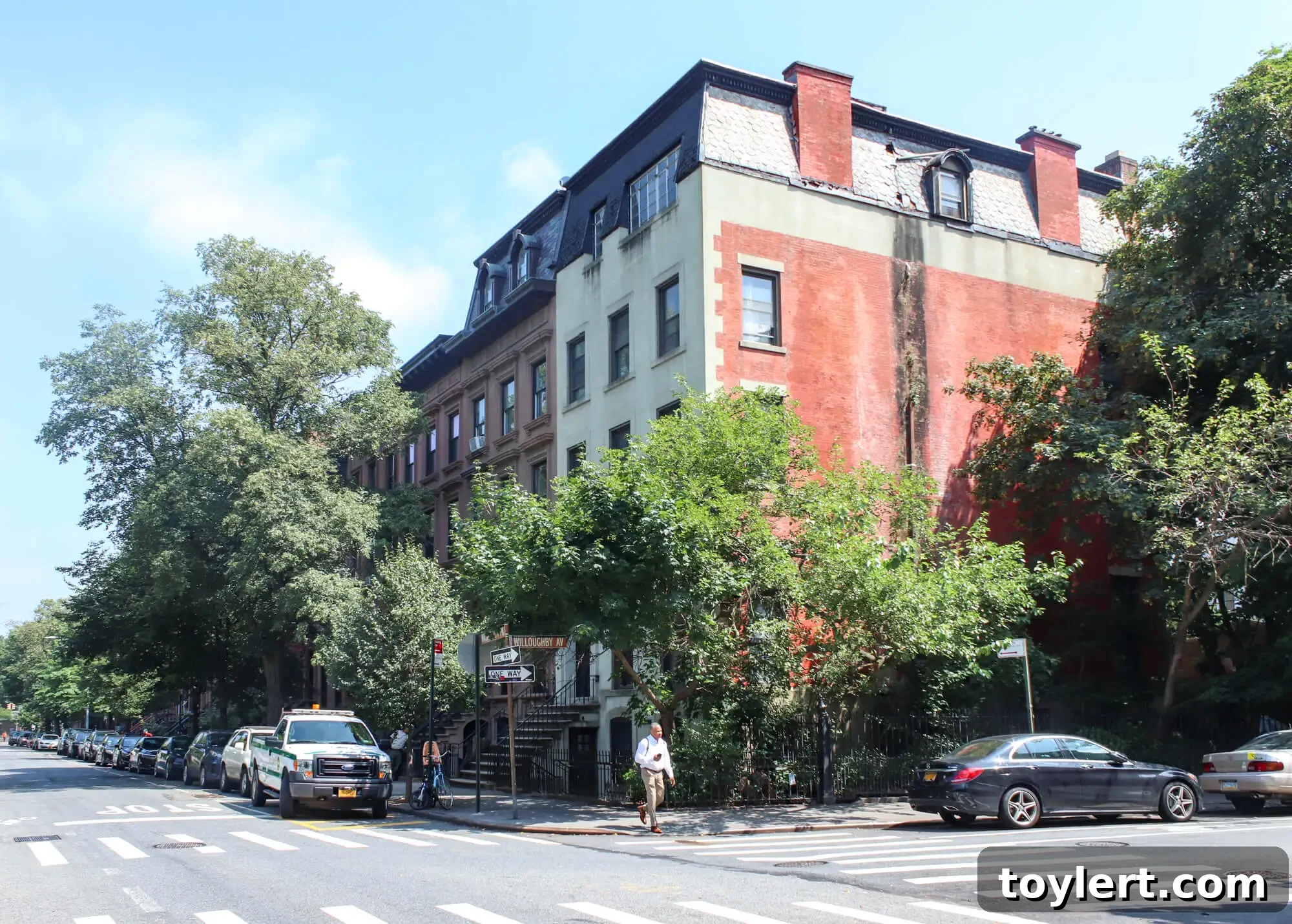
In the vibrant heart of Fort Greene, a historic Brooklyn neighborhood renowned for its picturesque brownstones and tree-lined streets, an extraordinary property stands at a crossroads. Located at 176 Washington Park, directly across from the verdant expanse of Fort Greene Park, this circa 1868 brownstone is currently presented in a listing as a “teardown” and described as “essentially uninhabitable.” However, beneath the layers of neglect and the stark assessment of its current condition lies a narrative rich with history, architectural significance, and an intriguing connection to one of New York City’s most iconic landmarks: the Brooklyn Bridge.
This is not merely another dilapidated structure awaiting demolition; it is a piece of Brooklyn’s soul, nestled within the esteemed Fort Greene Historic District. Its walls, though perhaps crumbling, hold whispers of a bygone era, reflecting the ambition and ingenuity that shaped this incredible borough. The listing’s blunt declaration belies the immense potential and profound historical value embedded in this unique address, making it a compelling subject for preservationists, visionary developers, and discerning real estate investors alike.
A Glimpse into the Past: The Brownstone’s 1868 Origins
Constructed around 1868, 176 Washington Park emerged during a pivotal period of Brooklyn’s growth and transformation. The post-Civil War era saw Brooklyn rapidly evolving from a collection of towns into a major urban center, a city in its own right before its eventual consolidation with New York City. This was a time of grand architectural ambition, when prominent architects and builders sought to define the borough’s aesthetic, particularly through the construction of elegant brownstones that became synonymous with Brooklyn’s residential charm.
The choice of Washington Park as a location speaks volumes about the property’s original status. Overlooking one of Brooklyn’s earliest and most beloved parks, properties here were coveted by the city’s burgeoning elite – merchants, professionals, and industrialists who sought residences that combined urban convenience with pastoral views and a sense of prestige. The brownstone’s very construction style, likely featuring the classic Italianate or Neo-Grec architectural details popular during that period, would have marked it as a significant, high-quality dwelling in its day.
Imagine the original inhabitants stepping out onto their stoop, gazing across to Fort Greene Park, which itself was undergoing a transformation by landscape architect Frederick Law Olmsted and Calvert Vaux, the visionary designers behind Central Park. This brownstone witnessed the horse-drawn carriages, the gas lamps illuminating the streets, and the vibrant daily life of a booming city on the cusp of modern progress. Its very existence is a testament to the craftsmanship and enduring quality of Brooklyn’s architectural heritage.
The Brooklyn Bridge Connection: The Legacy of William Kingsley
Perhaps one of the most intriguing aspects of 176 Washington Park is its purported connection to the Brooklyn Bridge, a monumental engineering feat that redefined metropolitan architecture and connected two great cities. While the original snippet mentions this connection, delving deeper reveals a fascinating link to a titan of Brooklyn’s development: William Kingsley.
William Kingsley (1814-1885) was far more than just a contemporary figure; he was an indispensable force behind much of Brooklyn’s 19th-century infrastructure and a key player in the realization of the Brooklyn Bridge. An accomplished engineer, contractor, and public servant, Kingsley served as a trustee, and later, president, of the Brooklyn Bridge Company. He was instrumental in securing funding, overseeing construction, and navigating the immense political and logistical challenges inherent in such a colossal undertaking. His vision, leadership, and determination were critical to the bridge’s successful completion.
While specific records regarding his direct residency at 176 Washington Park would require extensive genealogical and property deed research, the mere association of this brownstone with a figure of Kingsley’s stature elevates its historical significance immeasurably. It places the property within the sphere of influence of those who literally built modern Brooklyn. Whether he resided there, owned it, or was involved in its original development, the connection implies that this brownstone was part of the landscape shaped by individuals of immense civic importance during a golden age of engineering and urban planning. Owning a piece of real estate linked to such a prominent figure offers a unique tangible connection to the individuals who forged the very fabric of New York City.
Fort Greene Historic District: A Legacy Preserved
The designation of Fort Greene as a Historic District by the New York City Landmarks Preservation Commission underscores the exceptional architectural and historical value of properties like 176 Washington Park. Established to protect the unique character and heritage of the neighborhood, the district encompasses a magnificent collection of 19th-century brownstones, mansions, and institutional buildings.
The Fort Greene Historic District is celebrated for its stunning examples of Italianate, Neo-Grec, and Romanesque Revival architecture. These styles are characterized by their intricate detailing, stately facades, tall windows, and the ubiquitous brownstone material that gives the borough its iconic name. Living within this district means being part of a living museum, where every block tells a story of elegance, community, and enduring design.
The presence of 176 Washington Park within this protected zone means that any renovation or redevelopment project must adhere to strict guidelines aimed at preserving its historic integrity and the overall aesthetic of the neighborhood. This ensures that while the property can be modernized and revitalized, its original charm and historical context will be respected and maintained, safeguarding Brooklyn’s architectural legacy for future generations.
The “Teardown” Paradox: Challenges and Opportunities
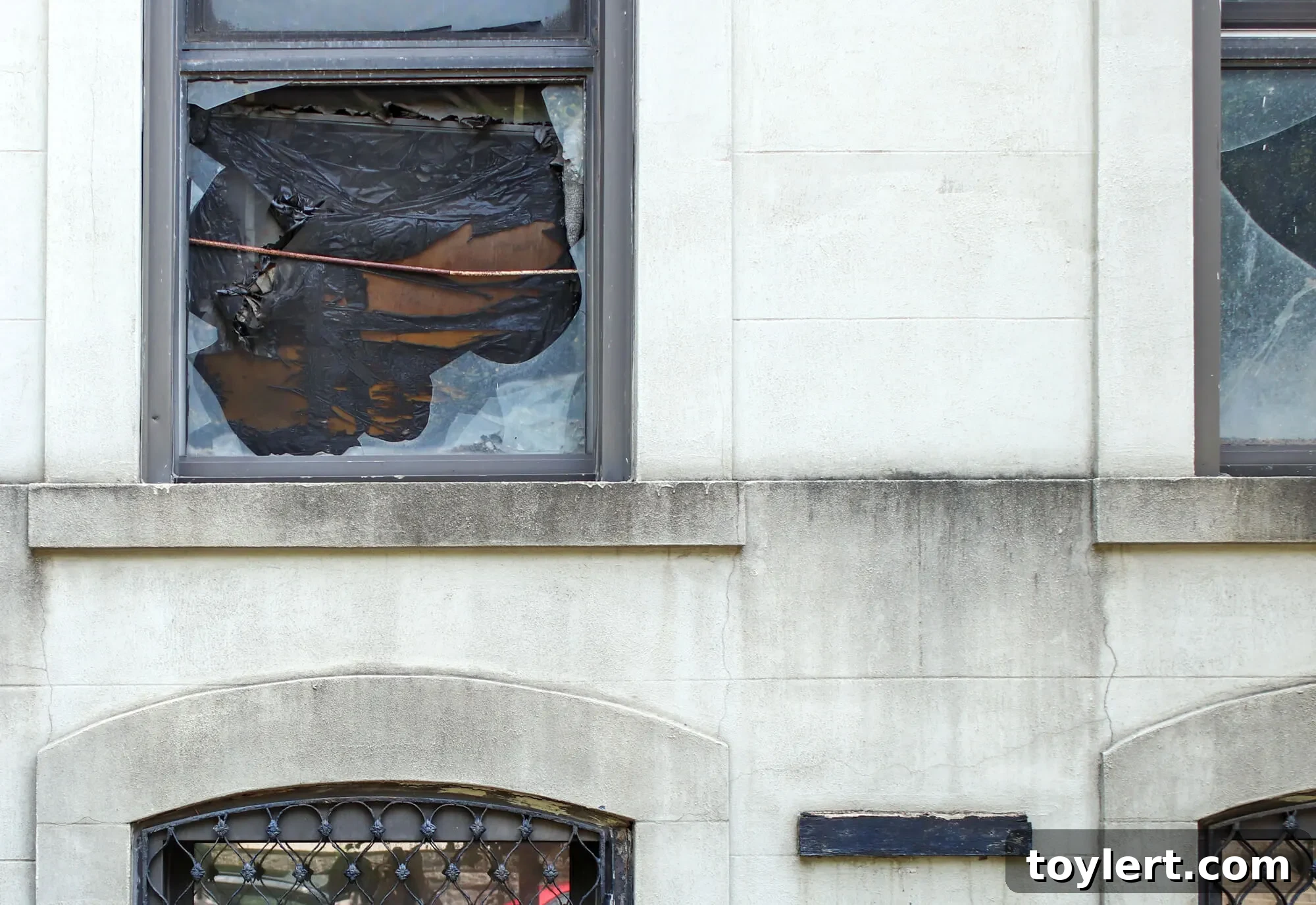
The listing’s description of 176 Washington Park as a “teardown” and “essentially uninhabitable” presents a challenging yet incredibly intriguing paradox. For many, these words might signal an insurmountable task, hinting at severe structural issues, extensive interior decay, or fundamental neglect that has rendered the building unsafe or unviable for traditional renovation.
However, for a certain caliber of investor or homeowner – one with vision, resources, and an appreciation for historic preservation – this “teardown” status can be reinterpreted as a “blank canvas.” It signifies a rare opportunity to acquire a substantial property in an unparalleled location, free from the constraints of someone else’s recent renovation choices. While the cost and complexity of a full restoration or a sensitive redevelopment within a historic district are considerable, the potential for creating a truly bespoke, high-value residence or a unique multi-family dwelling is immense.
Such a project would require a team of experienced architects, structural engineers, and contractors specializing in historic properties. It’s an undertaking not for the faint of heart, but for those passionate about breathing new life into forgotten gems. The rewards, both financial and personal, of transforming an “uninhabitable” relic into a magnificent modern home that honors its past, are substantial.
An Unrivaled Location: Facing Fort Greene Park
Beyond its historical layers, the sheer desirability of 176 Washington Park’s location cannot be overstated. Directly facing Fort Greene Park, the property enjoys unobstructed views of one of Brooklyn’s most cherished green spaces. This iconic park, designed in part by Frederick Law Olmsted, offers residents a serene escape with sprawling lawns, mature trees, a designated historic monument (the Prison Ship Martyrs’ Monument), tennis courts, and vibrant community events.
Fort Greene itself is a cultural nexus. The neighborhood is home to the Brooklyn Academy of Music (BAM), a world-renowned multi-arts center, as well as a plethora of independent theaters, art galleries, and performance venues. The dining scene is equally celebrated, boasting an array of acclaimed restaurants, trendy cafes, and charming boutiques that cater to diverse tastes.
Transportation is another key advantage. With numerous subway lines (2, 3, 4, 5, B, Q, R, N, C, G) within easy walking distance, residents have seamless access to Manhattan and other parts of Brooklyn. This blend of cultural richness, green space, culinary excellence, and exceptional connectivity makes Fort Greene one of Brooklyn’s most sought-after residential enclaves, consistently attracting those who appreciate a sophisticated urban lifestyle.
The Intrigue of a Criminal Investigation
Adding another layer of mystique to 176 Washington Park is the mention that the brownstone has been “entangled in a criminal investigation for the last several years.” While the specifics of this investigation are not detailed, its existence hints at a complex recent history for the property. This element introduces an intriguing, if somewhat opaque, dimension to its story, perhaps explaining some of the neglect or complications surrounding its ownership and sale.
For potential buyers, understanding the nature and resolution of such an investigation would be a critical part of due diligence. However, it also contributes to the property’s unique narrative, distinguishing it from other historic homes on the market. It suggests a story waiting to be fully uncovered, a chapter in its long life that adds to its compelling character and the potential for a fresh start under new stewardship.
A Vision for the Future: Reimagining 176 Washington Park
Despite its current state and complex past, 176 Washington Park represents an unparalleled opportunity for the right investor. This is more than just a real estate transaction; it’s a chance to participate in the ongoing evolution of one of New York City’s most historic and desirable neighborhoods. The vision for this property could take many forms:
- A Grand Single-Family Residence: Restore it to its former glory, creating an expansive, multi-story luxury home equipped with modern amenities while preserving its historic architectural details. Imagine a meticulously restored facade, grand parlors, state-of-the-art kitchen, and luxurious bedroom suites, all overlooking Fort Greene Park.
- Luxury Condominiums: Convert the brownstone into several high-end condominium units, each offering unique layouts and exquisite finishes. This approach could maximize the return on investment while still contributing to the upscale housing stock of Fort Greene.
- Boutique Commercial or Cultural Space: Given its prominence and location, the property could also be transformed into a distinctive commercial establishment, such as a boutique hotel, a gallery, or a private club, offering a unique blend of historical ambiance and modern functionality (subject to zoning and historic district regulations).
The ultimate transformation of 176 Washington Park will not only be a testament to a buyer’s vision but also a significant contribution to the continued vibrancy and heritage of the Fort Greene Historic District. It’s an invitation to rewrite the next chapter of a legendary Brooklyn brownstone, turning a “teardown” into a triumphant restoration and a celebrated landmark once again.
Conclusion: A Legacy Awaiting Revival
176 Washington Park is far more than its current “uninhabitable” description suggests. It is a venerable Brooklyn brownstone, built in 1868, steeped in history, potentially connected to the very architects of the Brooklyn Bridge, and set in the most enviable location of the Fort Greene Historic District. Its recent entanglement in a criminal investigation only adds to its enigmatic allure, presenting a property with a deeply layered past.
This is a rare opportunity for a buyer who possesses not just financial means, but also a profound appreciation for history, architecture, and the transformative power of revitalization. To acquire 176 Washington Park is to own a piece of Brooklyn’s soul, to embark on a journey of restoration that promises to yield not just a magnificent home or investment, but a lasting legacy. The brownstone at 176 Washington Park stands ready for its next visionary steward, waiting to be reborn and reclaim its rightful place as a jewel of Fort Greene.