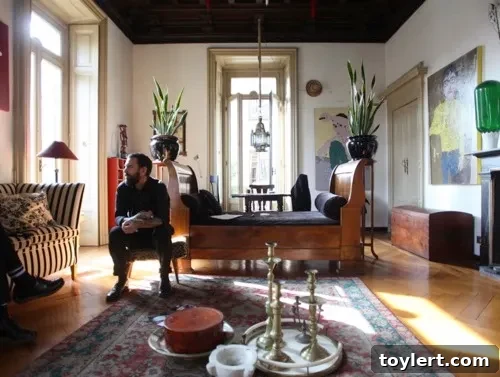
Delving into the timeless allure of historical properties, this week we’re exploring captivating strategies for decorating and renovating old houses, uncovering design inspirations that fuse vintage charm with contemporary flair.
Embracing the Soul of Old Houses: A Guide to Timeless Decor and Renovation
Old houses possess an undeniable charm, a silent narrative woven into their very foundations. From the intricate molding to the worn floorboards, each element tells a story of generations past. For enthusiasts and homeowners alike, the journey of decorating and renovating these historical treasures is a labor of love, a delicate dance between preserving the past and injecting modern vitality. This article delves into creative approaches that respect the integrity of vintage homes while transforming them into stylish, functional living spaces. We’ll explore how to blend eras, tackle common challenges with innovative solutions, and cultivate an interior aesthetic that is both unique and deeply personal.
The Art of Blending Eras: Modernity Meets History in Period Homes
One of the most exciting aspects of designing an old house is the opportunity to juxtapose different periods and styles. Imagine a sleek, minimalist sofa against a backdrop of ornate Victorian wallpaper, or a contemporary art piece hanging above a classic fireplace mantel. This deliberate contrast creates visual interest and a sense of depth that a single-era design often lacks. The key lies in achieving balance; neither the old nor the new should overwhelm the other. Instead, they should engage in a harmonious dialogue, each enhancing the beauty and character of the other. Successfully blending eras in a historical property requires an understanding of both its original features and your personal contemporary style.
When embarking on such a project, consider the inherent architectural features of your home. Are there exposed brick walls, original wooden beams, intricate cornices, or unique window frames? These elements are invaluable assets that should be celebrated and integrated into your design scheme. Rather than concealing them, find ways to highlight their beauty, allowing them to anchor your interior narrative. For instance, a beautifully restored fireplace can become the focal point of a living room, around which contemporary furnishings are thoughtfully arranged. This approach not only preserves the home’s history but also elevates the overall design, creating spaces that feel both lived-in and meticulously curated. Utilizing antique finds alongside modern fixtures can create a layered look that is rich in texture and story.
Inspiration from Milan: Rudy de Amicis’s Bohemian Rhapsody in an Old Apartment
Our first captivating example takes us to Milan, where artist Rudy de Amicis has masterfully infused his apartment with an effortlessly cool, “Brooklyn bohemian vibe.” This distinctive aesthetic demonstrates how a fresh, eclectic spirit can breathe new life into an older structure without erasing its historical essence, offering a blueprint for anyone looking to add character to their vintage home.
De Amicis’s approach is a testament to the power of personal expression and unconventional solutions in interior design. His Milanese apartment showcases a blend of global influences, unique vintage finds, and contemporary art, all contributing to a rich, layered atmosphere. The “Brooklyn bohemian” style, often characterized by its relaxed feel, mix-and-match furniture, vibrant textiles, and an emphasis on personal collections and artisanal pieces, finds a perfect home within the charming confines of an older apartment. It’s a style that champions comfort, creativity, and a sense of lived-in authenticity, making it ideal for spaces with inherent character and a story to tell. This design philosophy encourages a deviation from rigid stylistic rules, instead prioritizing comfort and unique decorative elements that reflect the homeowner’s journey.
Creative Solutions for Old Homes: The Transformative Red Fabric Ceiling
One particular stroke of genius in de Amicis’s design is the innovative use of red fabric on the hall ceiling. This simple yet audacious strategy offers a multitude of benefits, particularly for older homes that often present unique structural and aesthetic challenges. Imagine an otherwise empty or even slightly dilapidated corridor – perhaps with peeling paint, an uninspiring fluorescent light fixture, or simply lacking warmth and visual interest. A vibrant textile stretched across the ceiling instantly transforms this transitional space from mundane to magnificent.
Why is this such an effective and appealing solution for decorating old houses?
- Instant Warmth and Character: Fabric introduces softness, texture, and a powerful pop of color, making a potentially stark or cold hallway feel inviting and cozy. It instantly elevates the perceived aesthetic without demanding extensive structural work.
- Budget-Friendly Update: Compared to extensive plaster repair, ceiling renovation, or the installation of new architectural features, fabric installation can be a significantly more economical way to achieve a dramatic visual impact. It’s a smart DIY-friendly option for those on a budget.
- Conceals Imperfections: Minor cracks, stains, uneven surfaces, or dated textures on an old ceiling can be effortlessly masked by a tautly installed fabric. This clever trick bypasses costly and time-consuming repairs, allowing focus on other design elements.
- Unique Design Statement: It’s an unexpected and bold element that adds an artistic, bespoke touch, reflecting the homeowner’s creative personality and willingness to think outside the box. This makes the space truly memorable.
- Acoustic Benefits: Fabric can subtly help to absorb sound, reducing echoes in long corridors and contributing to a quieter, more pleasant home environment. This is particularly beneficial in older homes with high ceilings or hard surfaces.
This creative application of textiles serves as a brilliant example of how minor, non-structural interventions can yield major aesthetic improvements in old houses. It encourages us to look beyond conventional renovation methods and embrace imaginative, often more sustainable, ways to enhance our living spaces. This concept can be extended to other areas, such as using large tapestries to cover an entire wall, or repurposing vintage textiles as unique upholstery on antique furniture, further enhancing the bohemian aesthetic. Such innovative solutions are key to successful old home decoration.
Photo by Marco Annunziata
Designing Hallways and Transitional Spaces in Old Homes: A Comprehensive Approach
The second image, while lacking extensive descriptive text in the original context, prompts us to consider another crucial aspect of old house design: the thoughtful treatment of hallways and transitional spaces. Often overlooked, these areas are the arteries of a home, connecting different rooms and offering the first impression to visitors. Old house hallways can present unique challenges – they might be narrow, unusually long, poorly lit due to architectural constraints, or feature original architectural details that need careful consideration to integrate seamlessly into a modern design.
When designing a hallway in an old house, the primary goal is to make it feel welcoming, bright, and an integral part of the home’s overall aesthetic, rather than just a pass-through. Here are some effective strategies to transform these vital spaces:
Maximizing Light and Space in Narrow Passages:
- Strategic Lighting Layers: Introduce layers of light to combat the often dim nature of old hallways. Overhead fixtures (like period-appropriate chandeliers or flush mounts) can provide ambient light, while sconces or picture lights can highlight artwork or architectural details. Consider smart lighting solutions that can be dimmed or adjusted to create different moods, enhancing both functionality and atmosphere.
- The Power of Mirrors: A well-placed, generously sized mirror can dramatically expand the perception of space and bounce available light around, making a narrow hallway feel wider and brighter. Opt for vintage or ornate mirrors to complement the old house aesthetic, turning a practical item into a decorative statement.
- Light Color Palettes: While dark, moody colors can be impactful in certain spaces, lighter shades on hallway walls can make the space feel more expansive, airy, and inviting. Consider off-whites, pale grays, soft pastels, or even subtly patterned wallpapers that reflect light without overwhelming the space.
Adding Character and Functionality to Old House Hallways:
- Art and Gallery Walls: Hallways are perfect canvases for displaying art and personal collections. A curated gallery wall can tell a story, add immense personality, and draw the eye along the length of the space. Mix old portraits with modern abstract pieces for an eclectic, bohemian look that suits the old house charm.
- Runner Rugs: A beautiful runner rug not only adds warmth, softness, and texture underfoot but also visually guides the eye, making a long hallway feel more intentional and less tunnel-like. Choose patterns or colors that echo the home’s period or your personal style, adding comfort and sound absorption.
- Console Tables and Practical Storage: If space permits, a slim console table can provide a stylish spot for keys, mail, or a small decorative arrangement like a vase of fresh flowers. Built-in benches with discreet storage can also be a highly practical addition, particularly near an entryway, offering a place to sit and remove shoes.
- Preserving Original Details: Always strive to restore and highlight original wainscoting, trim, crown molding, or floorboards. These details are part of the home’s history and add undeniable character and value. A fresh coat of paint can make these features pop.
The Enduring Appeal of Vintage Homes: A Sustainable and Soulful Approach to Design
Beyond aesthetics, decorating and renovating old houses also aligns profoundly with principles of sustainability and conscious living. By choosing to restore, adapt, and lovingly maintain existing structures, we significantly reduce waste, conserve precious resources, and often utilize materials with a lower carbon footprint compared to new construction. Embracing the imperfections and unique character of an old home is, in essence, a sustainable choice, honoring its past while gracefully giving it a vibrant future. This commitment to preservation is a powerful statement against disposable design trends.
Moreover, the furniture and decor often found in old houses – or specifically sought out for them – are typically built to last. Investing in antique, vintage, or pre-loved pieces means acquiring items with a rich history, superior craftsmanship, and a unique patina that cannot be replicated by mass-produced goods. These pieces bring a sense of gravitas and individuality to a home that new items rarely can. This approach not only creates a home filled with stories and character but also supports a circular economy, moving away from wasteful consumption patterns and contributing to a more sustainable future for home design.
Cultivating Your Own Timeless Sanctuary in an Old House
Whether you’re tackling a complete structural overhaul of a historical property or simply looking for creative ways to refresh a single room in an older home, the process of decorating an old house is an exciting journey of discovery. It’s about listening to the house itself, understanding its quirks, celebrating its unique history, and allowing its past to inform your modern interventions. From the bohemian flair of Rudy de Amicis’s Milan apartment to the thoughtful design of a historical Bushwick hallway, the examples we’ve explored highlight the boundless possibilities that emerge when creativity meets heritage.
Embrace the challenge, celebrate the imperfections, and let your personality shine through every design choice. The result will be a home that is not just beautiful, but also soulful, unique, and truly timeless – a testament to the enduring appeal of old houses gracefully adapted for contemporary living. Your old house is more than just a structure; it’s a living canvas waiting for your story to unfold within its historic walls, creating a sanctuary that is both comfortable and inspiring.