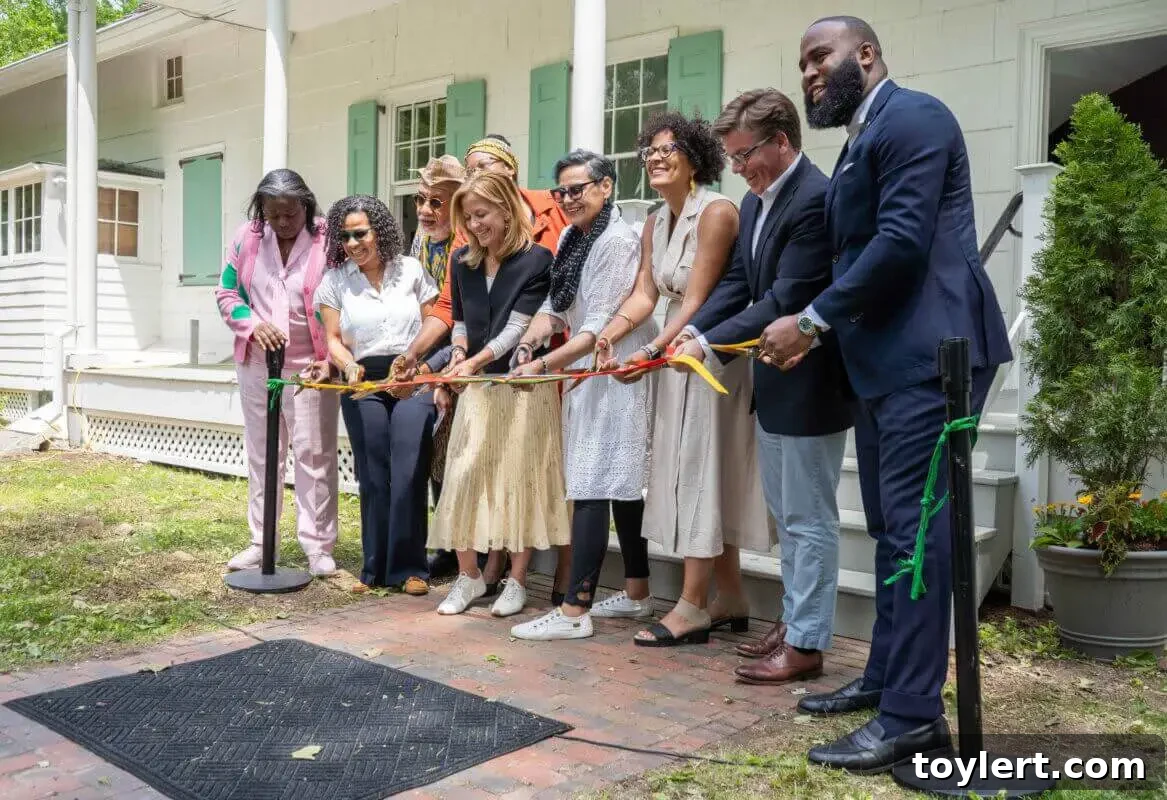
Grand Reopening: Lefferts Historic House Shines Anew in Prospect Park
A cherished piece of Brooklyn’s past has been meticulously restored and joyously reopened to the public. The beloved Lefferts Historic House, an iconic 18th-century Dutch colonial farmhouse museum nestled within the vibrant landscape of Prospect Park, recently celebrated its grand return. City green space stewards and community leaders held a celebratory ribbon-cutting event over the past weekend, marking the successful completion of an ambitious restoration project that promises to preserve this cultural gem for generations to come. This significant reopening signifies more than just the unveiling of a renovated building; it represents the renewed commitment to historical education, community engagement, and the celebration of New York City’s rich heritage.
A Landmark Reborn: Detailing the Multi-Million Dollar Restoration Effort
The highly anticipated reopening of the Lefferts Historic House follows a comprehensive and painstaking $2.5 million renovation. This extensive project, undertaken to reinvigorate the institution located strategically near Flatbush Avenue in Prospect Park, addressed critical structural needs while enhancing the overall visitor experience. Jointly operated by the dedicated Prospect Park Alliance and the esteemed Historic House Trust, the museum’s transformation ensures its longevity and continued role as a vital educational resource.
The multi-faceted renovation touched nearly every aspect of the historic structure, both inside and out. Exterior work meticulously focused on preserving the farmhouse’s authentic 18th-century aesthetic while upgrading its resilience. This included the complete replacement of the roof with historically accurate cedar shingles, essential for protecting the interior from the elements. Facade elements, including siding and window frames, were carefully repaired and restored, maintaining the architectural integrity that makes the Lefferts House so unique. Furthermore, critical foundation work was carried out to ensure the long-term structural stability of the centuries-old building.
Inside, the restoration aimed to create more welcoming and accessible spaces for visitors. While preserving the original character and historical details, the project incorporated necessary updates to modern standards where appropriate. This included improvements to exhibit areas, ensuring that the stories of the past could be told with greater clarity and impact. The goal was not merely to repair, but to revitalize, making the house a more engaging and interactive environment for learning about early Brooklyn life.
Beyond the physical structure, the surrounding grounds also received significant attention. Landscaping was thoughtfully redesigned to complement the historical context of the farmhouse, creating inviting pathways and outdoor educational spaces. These enhancements not only beautify the area but also provide opportunities for visitors to explore the historical agricultural practices that would have been central to life on such a farm.
Morgan Monaco, President and Park Administrator of the Prospect Park Alliance, expressed profound gratitude for the support that made this ambitious undertaking possible. “Prospect Park Alliance is grateful to the City and the Mellon Foundation for providing us with the funding to restore and reinvent our historic house museum,” Monaco stated, underscoring the collaborative spirit and financial commitment required to bring such a significant project to fruition. This sentiment reflects the collective effort to ensure that this invaluable piece of history remains accessible and inspiring for future generations.
Stepping Back in Time: The Rich History of Lefferts Historic House
The Lefferts Historic House stands as a tangible link to Brooklyn’s colonial past, offering a unique window into the lives of early Dutch settlers and the agricultural heritage of Flatbush. Built in 1783 by the Lefferts family, prominent landholders of Dutch descent, the farmhouse is a remarkable example of Dutch colonial architecture. Its construction took place in the immediate aftermath of the American Revolutionary War, replacing an earlier family home that was destroyed during the Battle of Long Island.
Originally situated on a vast farm, the house and its grounds vividly illustrate the agrarian lifestyle that once defined much of what is now Brooklyn. Visitors to the Lefferts House can explore how a family would have lived, worked, and thrived in the late 18th and early 19th centuries. The museum’s collection of period artifacts, furnishings, and tools helps to paint a comprehensive picture of daily life, from cooking and crafting to farming techniques and community interactions. It serves as a powerful reminder of the borough’s transformation from rural farmland to a bustling urban center.
Over the centuries, the Lefferts family remained stewards of this land. In 1918, the family generously donated the house to the City of New York, leading to its relocation to Prospect Park and its establishment as a public museum. This act of philanthropy ensured that the stories embedded within its walls could be shared with a wider audience. Since then, it has been dedicated to interpreting Brooklyn’s rich agricultural, social, and cultural history, offering insights into the complex tapestry of colonial and post-colonial life, including the often-overlooked history of enslaved people who lived and worked on such farms.
More Than a Museum: Education, Engagement, and Community Impact
Beyond its role as a historical artifact, the Lefferts Historic House is a dynamic hub for education and community engagement. Its primary mission is to provide enriching experiences that connect visitors, especially children and families, with the history of Brooklyn and early America. The museum’s programming goes far beyond static exhibits, offering a diverse array of interactive activities designed to bring history to life.
Throughout the year, the Lefferts House hosts workshops on traditional crafts, such as weaving, candle-making, and open-hearth cooking, allowing participants to engage directly with historical practices. Seasonal events, including harvest festivals and colonial holiday celebrations, draw families from across the borough and beyond, providing entertaining and educational experiences. Historical reenactments offer dramatic interpretations of past events and daily routines, making the history accessible and memorable for all ages.
School tours are a cornerstone of the museum’s educational outreach, providing students with hands-on learning opportunities that complement classroom curricula. These programs delve into themes such as colonial life, sustainable living practices, and the significant impact of the Revolutionary War on local communities. By exploring these topics in an authentic historical setting, students gain a deeper understanding of the forces that shaped their world.
The Lefferts Historic House also serves as a vital community gathering place, fostering a sense of connection to local heritage. It encourages dialogue about the diverse communities that have called Brooklyn home over the centuries, acknowledging the contributions and experiences of all its inhabitants. By merging the beauty of Prospect Park’s green space with the depth of historical narrative, the museum offers a holistic cultural resource that enriches the lives of countless visitors.
The Visionary Collaboration: Prospect Park Alliance and Historic House Trust
The success of the Lefferts Historic House, particularly its recent restoration and vibrant programming, is a testament to the powerful collaboration between two dedicated organizations: the Prospect Park Alliance and the Historic House Trust. These entities bring distinct yet complementary expertise to the stewardship of this precious landmark.
The Prospect Park Alliance is the non-profit organization that partners with the City of New York to oversee the management, restoration, and daily operation of Prospect Park. Its comprehensive role includes everything from landscape maintenance and environmental sustainability to developing recreational and cultural programming across the entire 585-acre park. For the Lefferts House, the Alliance provides operational support, integrates its activities into the broader park experience, and plays a crucial role in fundraising and community outreach.
The Historic House Trust of New York City, on the other hand, specializes in the preservation and interpretation of New York City’s 23 publicly owned historic house museums. The Trust provides essential technical assistance, historical research, and expertise in conservation best practices, ensuring that the Lefferts House adheres to the highest standards of historical preservation. Their oversight helps maintain the authenticity and integrity of the building and its collections.
The synergy between the Alliance’s broad park management capabilities and the Trust’s specialized historical preservation knowledge is what makes projects of this scale and complexity possible. Their joint efforts in securing funding from both public sources, like the City, and private foundations, such as the Mellon Foundation, are critical for undertaking major capital projects and sustaining ongoing educational programs. This collaborative model ensures that the Lefferts Historic House not only survives but thrives as a dynamic and engaging historical asset for New York City.
Planning Your Visit: What to Expect at the Revitalized Landmark
Now that the extensive restoration is complete, the Lefferts Historic House invites visitors of all ages to explore its revitalized spaces and immerse themselves in Brooklyn’s past. Conveniently located near the bustling Flatbush Avenue entrance to Prospect Park, the museum is easily accessible by public transport and offers a refreshing escape into history and nature.
Upon arrival, visitors can explore the beautifully restored 18th-century farmhouse, marveling at its unique Dutch colonial architecture and the detailed period furnishings that bring its history to life. The interpretive exhibits provide fascinating insights into the Lefferts family, early agricultural practices, and the complex social dynamics of colonial Brooklyn. Knowledgeable staff and volunteers are on hand to answer questions and share stories, making the experience both informative and engaging.
Beyond the house itself, the thoughtfully redesigned grounds offer additional opportunities for exploration. Children can enjoy interactive play areas that evoke historical activities, while families can wander through recreated colonial gardens. The outdoor spaces are perfect for picnics and leisurely strolls, allowing visitors to enjoy the beauty of Prospect Park while reflecting on the historical significance of their surroundings.
The Lefferts Historic House frequently hosts special events, workshops, and family-friendly activities, so it’s always a good idea to check their official website for a calendar of upcoming programs. Admission is often free or low-cost, making it an accessible cultural experience for everyone. While planning your visit, consider combining your trip to the Lefferts House with other attractions within Prospect Park, such as the Prospect Park Zoo, the Brooklyn Botanic Garden, or a leisurely walk around the scenic lake, to create a full day of discovery and enjoyment.
Discovering the Lefferts Historic House is an opportunity to connect with a foundational chapter in New York City’s story. It’s a chance to understand the lives of those who came before us and to appreciate the ongoing efforts to preserve our shared heritage. Plan your visit today and step into the vibrant history of Brooklyn!
The museum underwent a substantial renovation project to reinvigorate this important institution.