Downtown Brooklyn Development at 420 Albee Square Faces Height Revision Amidst Historic Preservation Battle
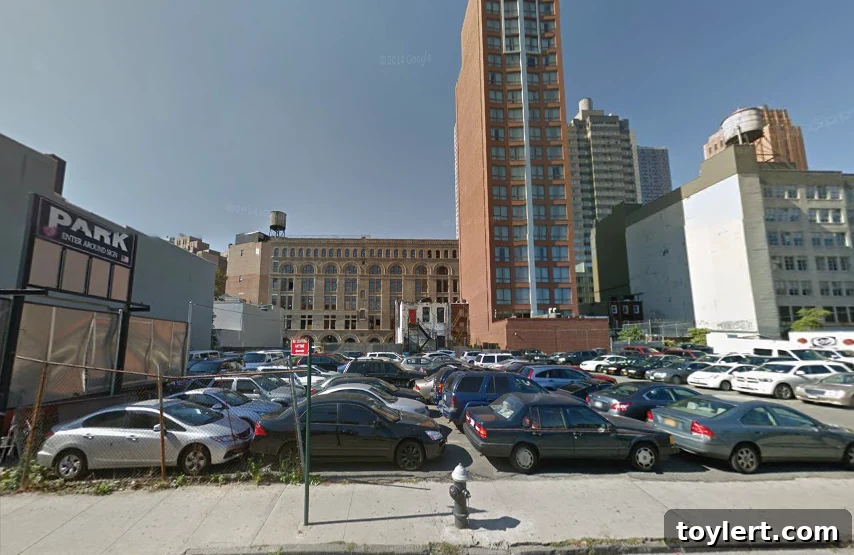
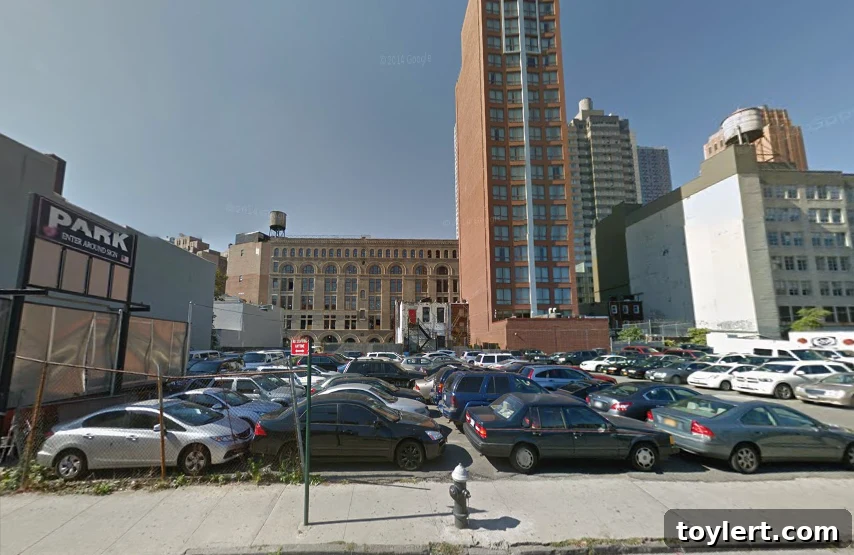
Downtown Brooklyn continues its relentless transformation, marked by towering residential and commercial developments reshaping its skyline. Among the most closely watched projects is the ambitious undertaking at 420 Albee Square, spearheaded by prominent developer JEMB Realty. However, recent permit filings reveal a significant revision to the project’s scope, with the initially proposed 65-story tower now scaled back to a more modest 35 stories. This development, first brought to light by New York YIMBY, adds another layer to an already complex narrative, particularly given JEMB Realty’s recent acquisition of an adjacent site poised for demolition – a site with profound historical significance.
The reduction in height for the 420 Albee Square tower introduces a new dynamic to the project. While still a substantial structure, a 35-story building presents a markedly different presence compared to its original, more audacious 65-story vision. Developers often adjust plans due to various factors, including market demand shifts, financing considerations, updated zoning regulations, or design optimizations. For JEMB Realty, a firm known for its extensive real estate portfolio and expertise in urban development, this revision suggests a strategic pivot. It remains to be seen how this change will influence the final aesthetic and functional integration of the building into Downtown Brooklyn’s vibrant, albeit rapidly evolving, urban fabric. Regardless of its final height, 420 Albee Square is positioned to contribute significantly to the area’s ongoing densification, bringing new residential or mixed-use opportunities to a neighborhood characterized by its growing appeal.
The Heart of the Controversy: 233 Duffield Street and the Underground Railroad
The story of 420 Albee Square, however, extends beyond architectural blueprints and urban planning adjustments. It intertwines with a profound chapter of American history, centered on the adjacent property at 233 Duffield Street. This address is home to an unassuming three-story, 19th-century wood-frame building, a structure that, despite its modest appearance, holds immense historical weight. It is recognized as one of at least three documented stops on the Underground Railroad located on that particular block, making it an invaluable, tangible link to a pivotal era in the fight against slavery.
The Underground Railroad was not a literal railroad but a clandestine network of secret routes and safe houses utilized by enslaved African Americans to escape to free states and Canada during the 19th century. Operated by abolitionists, free blacks, and former slaves, these “stations” or “stops” provided shelter, food, and guidance to those seeking freedom, often at great personal risk to the “conductors” and “stationmasters.” Sites like 233 Duffield Street served as critical havens, embodying courage, resistance, and the collective human spirit in the face of immense injustice. Preserving such structures is not merely about maintaining old buildings; it is about safeguarding direct physical connections to a foundational struggle for human rights, allowing future generations to learn from and reflect upon this complex period of American history.
A Decade-Long Battle for Preservation
The historical significance of 233 Duffield Street has not gone unnoticed by preservationists and community advocates. As far back as 2007, the New York City Landmarks Preservation Commission (LPC) recognized the building’s importance and made concerted efforts to save it from demolition. This initiative, which we reported on at the time, underscored the urgent need to protect sites that offer direct evidence of the Underground Railroad’s operations within the city. Despite these efforts, the building’s landmark status was never officially secured, leaving it vulnerable to the relentless pressures of development.
The current situation brings the debate back to the forefront. JEMB Realty’s closure on the adjacent site, which includes 233 Duffield Street, accompanied by plans for demolition, reignites the long-standing conflict between economic development and cultural heritage preservation. For many, the prospect of demolishing an authenticated Underground Railroad stop represents an irreparable loss, erasing a physical piece of African American history and diminishing the city’s collective memory. Advocates argue that integrating such a historically rich site into a new development, perhaps through facade preservation or the creation of a dedicated memorial, offers a more responsible path forward than outright destruction.
Downtown Brooklyn’s Evolving Identity: Progress Versus Heritage
Downtown Brooklyn has undergone a dramatic metamorphosis in recent decades, transitioning from a primarily commercial and civic hub to a vibrant, mixed-use neighborhood characterized by soaring residential towers, bustling retail, and a burgeoning cultural scene. This rapid growth, while bringing undeniable economic benefits and new housing opportunities, also presents a recurring challenge: how to balance modern urban expansion with the imperative to protect irreplaceable historical assets. The case of 233 Duffield Street is a poignant example of this tension.
The decision to proceed with demolition despite historical significance raises critical questions about the city’s priorities and the effectiveness of its preservation mechanisms. While developers like JEMB Realty operate within existing legal frameworks to maximize property value and contribute to urban renewal, there’s a broader societal expectation for responsible development that respects and integrates historical context. The loss of a site connected to the Underground Railroad is not just the loss of an old building; it’s the severing of a tangible link to the struggle for freedom, a narrative that profoundly shaped American identity and continues to resonate today.
Community groups and preservation organizations are likely to redouble their efforts to prevent the demolition, advocating for solutions that honor the site’s past while accommodating future growth. This might involve legal challenges, public awareness campaigns, or negotiations with the developer to explore alternative designs that could incorporate the historic structure or create a meaningful memorial on the site. The outcome of this particular battle will not only determine the fate of 233 Duffield Street but also set a precedent for how New York City balances its dynamic future with the preservation of its profound and often challenging past.
Looking Ahead: The Future of Preservation in a Developing City
The saga of 420 Albee Square and 233 Duffield Street is a microcosm of the larger challenges facing historic preservation in rapidly developing urban centers globally. It underscores the ongoing need for robust legal protections, proactive identification of historical sites, and open dialogue between developers, city planners, and community stakeholders. For Downtown Brooklyn, a neighborhood that epitomizes urban dynamism, this specific instance serves as a powerful reminder that while skyscrapers define a modern skyline, the smaller, older structures often hold the keys to understanding a community’s soul and its historical narrative.
The ultimate resolution of this situation will have far-reaching implications. It will reflect on how New York City values its complex history, particularly the narratives of marginalized communities, and how it navigates the intricate path of progress. As JEMB Realty moves forward with its revised 35-story tower at 420 Albee Square and plans for the adjacent parcel, the eyes of preservationists, historians, and the wider public will remain fixed on 233 Duffield Street – a modest building that stands as a powerful symbol of freedom, resistance, and the enduring struggle to protect our shared heritage against the relentless march of time and development.