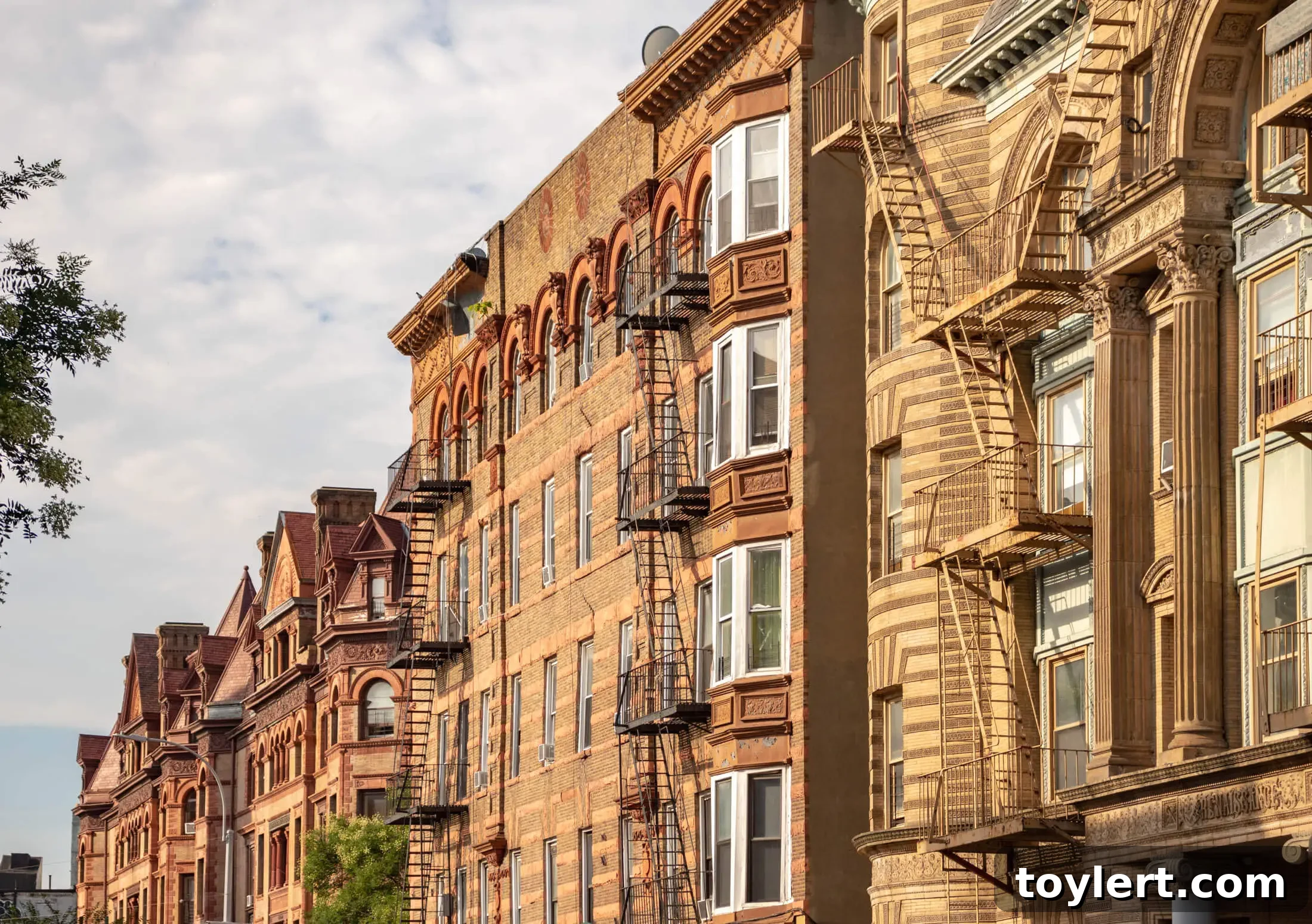
The Resurgence of New York City’s Rental Market: Navigating Record Highs Post-Pandemic
New York City’s housing market is once again making headlines, with rental prices experiencing a dramatic resurgence to unprecedented levels. This sharp upward trend follows a period of significant decreases observed during the peak of the COVID-19 pandemic, leaving many tenants who secured leases during that unique window now grappling with unexpectedly steep rent increases upon renewal. The unforeseen climb in housing costs has become a critical challenge for countless residents, fundamentally altering their financial landscape and future in the bustling metropolis.
The journey of New York City’s rental market over the past few years has been nothing short of a rollercoaster. At the onset of the pandemic, fear and uncertainty gripped the city, leading to an exodus of residents and a subsequent, albeit temporary, glut of vacant properties. This period offered a brief, uncharacteristic reprieve for renters, as landlords adjusted prices to attract dwindling demand. However, as the city gradually reopened and life began to normalize, the market quickly recalibrated, reversing course with remarkable speed and intensity.
The Pandemic’s Initial Shockwave: An Unprecedented Downturn
The initial phase of the COVID-19 pandemic brought an unprecedented disruption to New York City’s vibrant real estate scene. As businesses shuttered, universities shifted to remote learning, and the city became an epicenter of the global health crisis, hundreds of thousands of New Yorkers opted to leave the five boroughs. Many sought solace in less crowded locales, embraced newly available remote work opportunities, or simply returned to family homes outside the city. This mass departure created a unique dynamic in a market historically characterized by relentless demand and soaring prices.
The Exodus and Its Immediate Impact
During the height of the pandemic, particularly in April 2020, Brooklyn, a borough renowned for its diverse neighborhoods and escalating desirability, saw average rent prices peak at an impressive $3,533. This figure, reported by the prominent real estate firm Douglas Elliman in its comprehensive monthly reports on rental prices across Manhattan, Brooklyn, and northwest Queens, marked a high point before the market began its sharp descent. The subsequent months witnessed a dramatic tumble in rents across the entire city, as landlords found themselves with an unexpected and substantial surplus of vacant properties. The balance of power, for a fleeting moment, shifted unequivocally towards tenants.
A Brief Respite for Renters
This period of market adjustment reached its nadir in January 2021. In Brooklyn, for instance, the average rent plummeted to $3,008, according to Douglas Elliman’s data. This represented a significant drop from its pre-exodus peak, offering a glimpse of affordability that had been alien to many New Yorkers for years. Concurrently, the vacant housing inventory surged by an astonishing 150 percent compared to the previous year. This substantial increase in available units reflected the sheer volume of residents who had departed, creating a buyer’s (or rather, a renter’s) market where concessions were common and negotiation power was considerable. For a brief period, the dream of affordable living in New York City seemed within reach for some.
The Swift Rebound: New York City’s Inevitable Comeback
However, this tenant-friendly market proved to be short-lived. As mass vaccination efforts gained momentum and extensive testing protocols were implemented, the immediate threat of the pandemic began to recede in the public consciousness. New York City, with its magnetic allure of culture, career opportunities, and vibrant urban life, started to draw back those who had temporarily left, alongside a new wave of individuals eager to experience life in the revitalized metropolis. This renewed influx of residents, coupled with a tightening supply, swiftly triggered a powerful rebound in rental prices.
Driving Factors Behind the Recovery
Several key factors fueled this rapid recovery. The widespread availability of vaccines dramatically reduced the perceived risks of urban living, encouraging many former residents to return. Additionally, as companies began to recall employees to offices, the necessity of residing close to work became a priority once more. New York City’s enduring appeal as a global economic and cultural hub also played a crucial role; for many, the temporary departure was merely a pause, not a permanent relocation. The strong demand, combined with a constrained housing supply, inevitably pushed rents upwards at an accelerated pace.
Brooklyn’s Dramatic Surge: A Case Study
Brooklyn, in particular, has been at the forefront of this market resurgence. Average rents in the borough climbed to $3,162 in January of the current year, marking a robust 5 percent increase from their lowest point just a year prior. This upward trajectory has continued unabated, with subsequent reports often showing even higher figures. The speed and scale of this recovery have taken many by surprise, especially those who signed leases during the pandemic’s trough, expecting market stability or a more gradual ascent.
The Studio Apartment Phenomenon
The impact of this market shift has been especially pronounced in the studio apartment segment. According to Douglas Elliman’s January report, the average rent for a studio apartment in Brooklyn reached $2,567, an astounding increase of over 25 percent from $2,050 in January 2021. This significant jump underscores the intense demand for smaller, more affordable units, a trend often seen in rapidly recovering urban markets where space is at a premium. Concurrently, the vacant housing inventory, which had surged dramatically during the pandemic, plummeted by 86 percent from the previous year, further illustrating the fierce competition for available properties and the rapid absorption of units. This dramatic drop in inventory highlights the shift from a renter’s market to a landlord’s market almost overnight, leaving little room for negotiation and placing significant pressure on prospective tenants.
The Current Landscape: Tenant Struggles and Market Dynamics
The current state of New York City’s rental market presents a complex picture, one where robust demand and limited supply are driving prices to historic highs. While a strong market is often seen as a sign of economic health, for many tenants, it translates into a severe affordability crisis, threatening their ability to remain in the city they call home.
The Affordability Challenge
For tenants who secured leases during the pandemic’s softer market, the current renewal rates are proving to be particularly challenging. Many are facing double-digit percentage increases, sums that were unimaginable just a year or two ago. This creates immense financial strain, forcing residents to make difficult decisions: either absorb the exorbitant new rent, downsize, relocate to less desirable areas, or consider leaving New York City altogether. The dream of stable, affordable housing in one of the world’s most dynamic cities is becoming increasingly distant for a significant portion of its population.
Supply and Demand Imbalance
The core of the problem lies in the fundamental imbalance between supply and demand. New York City, by its very nature, has finite space for new construction, and the pace of new housing development often struggles to keep up with the continuous influx of residents and workers. This structural scarcity, exacerbated by the post-pandemic return, ensures that competition for available units remains fierce. When inventory is low and vacant apartments are snapped up quickly, landlords gain leverage, pushing rental prices upward without significant resistance.
Inflationary Pressures and Economic Context
Beyond the immediate supply-demand dynamics, broader economic factors are also at play. High inflation rates across the country affect the cost of everything, including property maintenance, insurance, and taxes for landlords, which can then be passed on to tenants through rent increases. Furthermore, the overall economic recovery, while positive for employment, also contributes to increased consumer confidence and a greater willingness among some to invest in city living, further fueling demand in the housing market. These macroeconomic currents intertwine with local market conditions to create a powerful upward force on rental prices.
Looking Ahead: What’s Next for the NYC Rental Market?
Predicting the future of New York City’s housing market is always speculative, given its unique volatility and sensitivity to global events. However, current trends suggest that rental prices may continue to climb, albeit potentially at a slower pace. The city’s enduring appeal, coupled with ongoing limited housing stock, provides a strong foundation for sustained high demand. Any significant shift would likely require a substantial increase in housing inventory, a significant economic downturn, or a dramatic change in migration patterns.
Policymakers and community advocates are increasingly focused on addressing the affordability crisis. Discussions around rent stabilization, increasing housing supply through new construction, and exploring innovative housing solutions are gaining traction. However, implementing such changes effectively and at scale in a city as complex as New York presents considerable challenges.
Conclusion: Adapting to New Realities
The trajectory of New York City’s rental market since the pandemic has been a vivid illustration of its resilience and enduring appeal, but also of the profound challenges facing its residents. From an unexpected dip during a global health crisis to a rapid ascent to record-breaking highs, the market has demonstrated its capacity for dramatic shifts. While the city continues to thrive and attract talent from around the world, the increasing cost of living places immense pressure on individuals and families, reshaping the demographic fabric of its iconic neighborhoods.
For current and prospective New Yorkers, understanding these market dynamics is crucial. Adapting to the new realities of the city’s housing landscape involves careful financial planning, staying informed about market trends, and exploring all available housing options. The dream of living in New York City remains vibrant, but navigating its competitive and costly rental market requires strategy, resilience, and a clear understanding of its ever-evolving nature.
Data Source and Further Reading
For detailed insights and ongoing analysis of the rental market in Manhattan, Brooklyn, and northwest Queens, refer to the monthly reports published by Douglas Elliman, a leading real estate firm:
Douglas Elliman Market Reports