by Samantha Maldonado
This article was originally published on December 8 at 5 a.m. EST by THE CITY
Unlocking Hidden Potential: The Push to Legalize Basement Apartments and ADUs in New York City
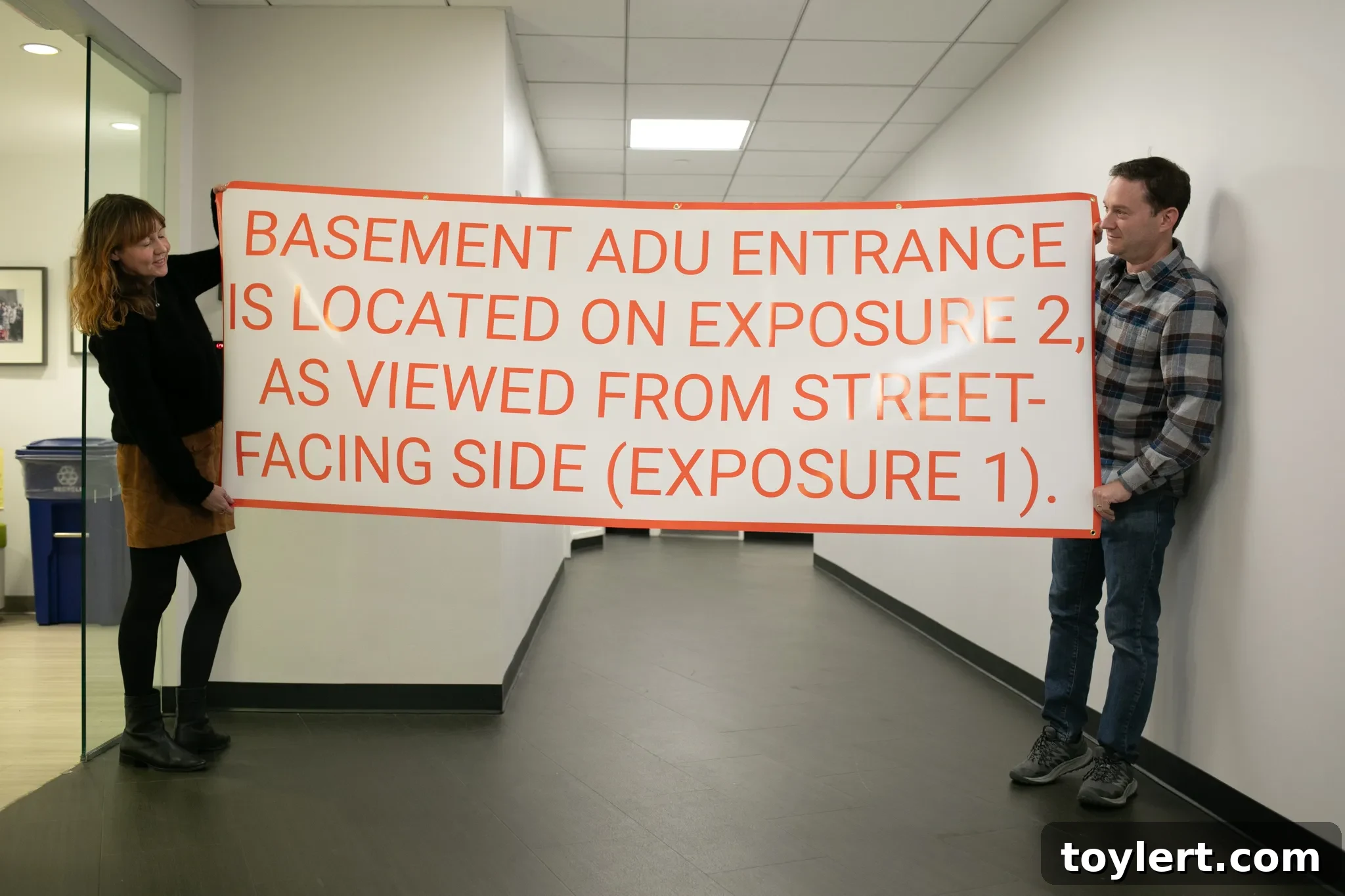
In the bustling heart of downtown Manhattan, a vibrant 8-foot-long banner recently captivated passersby in a fluorescent-lit hallway of an office building. Its message, though specific to a particular advocacy campaign, echoed a broader, city-wide conversation: the urgent need to address New York City’s persistent housing crisis. This dialogue frequently circles back to an often-overlooked solution with immense potential – the legalization of basement apartments and Accessory Dwelling Units (ADUs). These unconventional living spaces, long existing in a regulatory gray area, are now at the forefront of discussions aiming to provide safe, affordable housing options for countless New Yorkers and offer crucial financial stability for homeowners.
New York City’s Persistent Housing Crisis: A Looming Challenge
New York City, a global metropolis, continuously grapples with an acute housing shortage that impacts residents across all income brackets. The demand for housing far outstrips supply, leading to exorbitant rents, overcrowded living conditions, and an ever-expanding homelessness crisis. Families are pushed to the brink, often forced to choose between paying rent and covering other essential expenses. The lack of affordable housing options not only strains individual households but also threatens the city’s economic diversity and social fabric. It diminishes the ability of essential workers, young professionals, and even middle-income families to reside within the five boroughs, leading to longer commutes and a diminished quality of life. Traditional large-scale housing developments alone appear insufficient to tackle the problem, prompting urban planners and policymakers to explore innovative, incremental solutions that can be scaled effectively.
Defining the Untapped Resource: Basement Apartments and Accessory Dwelling Units
Before diving into the complexities of legalization, it’s crucial to understand what exactly constitutes a basement apartment and an Accessory Dwelling Unit (ADU) in the New York City context. While often discussed together due to their shared potential as informal housing, they can have distinct characteristics.
Basement Apartments: Beneath the Surface
Basement apartments typically refer to dwelling units located in the cellar or basement level of existing residential buildings, particularly brownstones, townhouses, and single-family homes. For decades, many of these units have operated informally, providing shelter for tenants who might otherwise struggle to find affordable housing. However, their informal status often means they do not meet modern safety, light, and air requirements stipulated by city building codes. This can expose tenants to hazards such as inadequate emergency exits, poor ventilation, and insufficient natural light, while homeowners face potential legal repercussions and liability risks.
Accessory Dwelling Units (ADUs): Versatile Living Spaces
ADUs are self-contained living units that are secondary to a primary residence on the same property. They can take various forms: a converted garage, a standalone cottage in a backyard, an attic conversion, or indeed, a basement apartment that meets specific regulatory standards. The key characteristic of an ADU is its accessory nature to the main house, providing independent living facilities including a kitchen, bathroom, and sleeping area. ADUs are increasingly recognized nationwide as a flexible housing solution, offering privacy for residents and significant benefits for property owners.
The Immense Promise of Legalization
The push to legalize basement apartments and ADUs in NYC isn’t just about regularizing existing informal units; it’s about unlocking a significant new source of housing that can address multiple pressing issues simultaneously.
Addressing the Acute Housing Shortage
Legalizing these units could rapidly and significantly increase the supply of housing in a city desperate for more homes. By tapping into the existing housing stock, rather than relying solely on new construction, the city could bring thousands of currently illegal and unsafe units into compliance, making them suitable and secure for habitation. This expansion of housing supply would exert downward pressure on rents, making the city more accessible to a wider range of residents and potentially alleviating overcrowding in other areas.
Boosting Economic Stability for Homeowners
For many homeowners, particularly those in lower and middle-income brackets, the ability to legally rent out a basement apartment or ADU could provide a vital supplemental income. This additional revenue stream could help cover escalating property taxes, maintenance costs, and mortgage payments, thereby enhancing financial stability and allowing residents to remain in their homes and neighborhoods. It represents a tangible way to build intergenerational wealth and prevent displacement, especially in communities undergoing rapid gentrification.
Enhancing Tenant Safety and Quality of Life
Perhaps most importantly, legalization offers a pathway to ensure that all residents live in safe, dignified conditions. By bringing units into compliance with building codes, the city can mandate proper ventilation, fire safety measures, adequate natural light, and emergency egresses. This transforms potentially hazardous living spaces into secure homes, protecting vulnerable tenants from exploitation and ensuring their basic rights to safety and health are met. It shifts units from an unregulated shadow market into a transparent, accountable system.
Navigating the Labyrinth of Current Regulatory Hurdles
Despite the clear benefits, the path to widespread legalization is fraught with complex regulatory hurdles that have historically stymied efforts to formalize these housing types.
Complex Zoning Laws
New York City’s intricate zoning regulations are often cited as a primary barrier. Many residential zones prohibit or severely restrict multi-family dwellings in areas traditionally designated for single-family homes. Converting a basement or building an ADU often requires a variance or a zoning amendment, a process that can be costly, time-consuming, and require navigating complex bureaucratic procedures. These outdated zoning classifications often don’t reflect contemporary housing needs or the city’s diverse housing stock.
Stringent Building Codes
Beyond zoning, existing building codes present significant challenges. Requirements for ceiling height, window size, light and air, fireproofing, and egress routes are particularly difficult for basement units to meet, especially in older buildings not designed with these standards in mind. Retrofitting these properties to comply with modern codes can be prohibitively expensive, deterring homeowners from pursuing legal conversions. The challenge lies in finding a balance between ensuring safety and establishing feasible, adaptable codes for existing structures.
Financial Barriers for Homeowners
Even if zoning and building codes could be navigated, the financial burden of legalizing a unit often falls squarely on the homeowner. Costs associated with architectural plans, permits, construction, and necessary upgrades (like improved plumbing, electrical systems, and emergency exits) can run into tens or even hundreds of thousands of dollars. Without significant financial incentives or assistance programs from the city or state, many homeowners simply cannot afford the upfront investment, perpetuating the cycle of informal housing.
The Growing Movement Towards Reform
Recognizing the profound potential of basement apartments and ADUs, there’s a burgeoning movement across New York City advocating for comprehensive regulatory reform. This push is gaining traction among a diverse coalition of stakeholders.
Advocacy Efforts and Stakeholders
Community groups, tenant advocates, urban planning organizations, and even some property owner associations are coalescing to demand change. They highlight compelling arguments for legalization, presenting it as a triple-win solution for housing affordability, homeowner empowerment, and tenant protection. Politicians, increasingly aware of the political imperative to address the housing crisis, are also starting to champion legislative initiatives aimed at streamlining the conversion process.
Proposed Solutions and Pilot Programs
Several progressive solutions are being explored. These include creating specific zoning overlays that allow ADUs in more areas, developing flexible building codes tailored to existing structures, and establishing city-backed financial assistance programs. Pilot programs, such as those that offer technical assistance and low-interest loans for conversions, are being tested in various neighborhoods to gauge feasibility and identify best practices. The aim is to create a template for a city-wide program that simplifies the path to legality.
Addressing Challenges and Considerations
While the benefits are clear, a pragmatic approach to legalization requires careful consideration of potential challenges and unintended consequences.
Infrastructure Concerns
An increase in legalized units could place additional strain on existing municipal infrastructure, including water, sewer, and electrical grids. Thoughtful planning and investment will be crucial to ensure these systems can adequately support increased density without compromising service quality for all residents. This includes assessing the capacity of local schools, public transport, and waste management services.
Neighborhood Impact
Concerns about increased street parking, traffic, and overall neighborhood density are common. While ADUs generally represent a modest increase in population per block, community engagement and careful planning are essential to mitigate these impacts and gain local buy-in for new policies. Solutions might include encouraging public transit use, promoting car-sharing, or developing specific parking strategies.
Preserving Affordability
A critical consideration is ensuring that newly legalized units remain genuinely affordable. There’s a risk that without proper safeguards, these units could become market-rate luxury rentals, defeating the primary goal of addressing the affordable housing crisis. Policies might include rent stabilization measures, income restrictions for tenants, or long-term affordability covenants tied to any financial assistance provided to homeowners.
Paving a Path Forward: A Collaborative Approach
The successful legalization of basement apartments and ADUs in New York City demands a multi-faceted and collaborative approach involving all levels of government, homeowners, tenants, and community organizations.
Streamlined Processes
Simplifying the permitting and inspection processes is paramount. This could involve creating dedicated city departments or task forces to assist homeowners, offering clear guidelines, and reducing bureaucratic red tape that often overwhelms individuals. A one-stop-shop approach for guidance and applications could significantly boost participation.
Financial Incentives and Support
To overcome the financial barriers, the city and state must implement robust incentive programs. This could include grants, low-interest loans, tax abatements, or even direct subsidies to help homeowners cover the costs of bringing their units up to code. Programs could prioritize low and moderate-income homeowners or those in specific high-need areas.
Ongoing Education and Outreach
Effective legalization requires widespread public awareness. Comprehensive outreach campaigns are needed to inform homeowners about the benefits, processes, and available assistance, while also educating tenants about their rights in newly legalized units. This can help build trust and ensure transparent implementation.
The vision presented by the 8-foot-long banner in that downtown Manhattan hallway is not just an aspirational dream; it’s a pragmatic necessity for a city yearning for more equitable and sustainable housing solutions. By embracing the potential of basement apartments and ADUs, New York City has a unique opportunity to address its housing crisis from within, fostering safer communities, empowering homeowners, and providing countless residents with a stable, affordable place to call home. The journey to legalization may be challenging, but the collective will to transform these hidden spaces into vital components of the urban fabric is stronger than ever, promising a more inclusive future for all New Yorkers.