Brooklyn’s Dynamic Pulse: Unpacking the Latest Developments, Trends, and Community Vibrancy
Brooklyn, a borough renowned for its rich history, diverse neighborhoods, and relentless evolution, continues to captivate residents and visitors alike with its ever-changing landscape. From significant infrastructure projects and bustling real estate markets to vibrant local businesses and a deep appreciation for its past, Brooklyn offers a microcosm of urban dynamism. This article delves into recent key developments, providing an insightful look into the forces shaping this iconic New York City borough.
Real Estate & Urban Transformation: Navigating Brooklyn’s Housing Market
The Brooklyn real estate market remains a hot topic, characterized by both soaring demand and persistent discussions around affordability. As new residents flock to the borough, drawn by its unique charm and proximity to Manhattan, the housing landscape continues to adapt, presenting both opportunities and challenges.
Affordability and Investment Opportunities
For many aspiring homeowners, the dream of owning a piece of Brooklyn can seem daunting. Yet, opportunities for savvy investors and those seeking to put their personal stamp on a property still emerge. Reports frequently highlight areas where ten of the cheapest Brooklyn townhouses might be found, offering a glimmer of hope for buyers navigating a competitive market. These opportunities often come in the form of “fixer-uppers” – properties requiring significant renovation but promising substantial returns on investment and the chance to create a bespoke home.
One notable example includes the $1.5 Million Fixer-Upper at 815 Prospect Place in Crown Heights. Crown Heights, a neighborhood that has seen considerable revitalization and development in recent years, exemplifies Brooklyn’s ongoing transformation. Such properties, while requiring a substantial initial outlay and renovation budget, represent a chance to invest in a neighborhood with appreciating value and a strong sense of community. The allure of transforming an older building into a modern masterpiece while preserving its historic character is a powerful driver for many Brooklyn buyers.
Preservation Meets Modernization: The Fate of Historic Properties
Brooklyn is a treasure trove of historical architecture, with many neighborhoods boasting stunning brownstones and pre-war buildings. The challenge often lies in balancing the preservation of these architectural gems with the demands of modern living. A fascinating example involves the Truman Capote’s 1839 House, which will, in fact, get a pool. This decision sparks conversations about how historic homes can be adapted to contemporary lifestyles without losing their essential character. While some purists might lament such alterations, others see it as a necessary evolution that ensures these grand residences remain viable and desirable for future generations, ultimately contributing to their long-term preservation.
Urban development isn’t always about renovation; sometimes it involves demolition to make way for new structures or public spaces. The news of the El Greco Diner being prepped for demolition highlights the constant flux of urban planning. While nostalgic for some, such changes are often part of broader neighborhood revitalization efforts, aiming to optimize land use and introduce new amenities or housing options.
Infrastructure and Transit: Connecting Brooklyn’s Communities
Efficient transportation and robust infrastructure are the lifeblood of any thriving urban environment. Brooklyn, with its vast geographical spread and dense population, relies heavily on continuous improvements to its transit systems and public spaces.
Addressing Transit Needs in South Williamsburg
The complexities of urban transit are constantly under review, and specific neighborhoods often require tailored solutions. The announcement that South Williamsburg Transit is to be examined in a DOT Study underscores the city’s commitment to addressing local transportation challenges. South Williamsburg, a rapidly growing area, faces unique pressures on its existing transit infrastructure. A comprehensive study by the Department of Transportation (DOT) is a crucial step towards identifying bottlenecks, assessing current needs, and proposing effective solutions, which could range from improved bus services to new subway connections or enhanced pedestrian and cycling pathways. These studies are essential for sustainable urban growth, ensuring that residents have reliable and accessible ways to commute and navigate their communities.
Enhancing Public Spaces: The Plumb Beach Bike Path
Beyond mass transit, Brooklyn is also investing in recreational and active transportation infrastructure. The completion of the Plumb Beach Bike Path repairs is a testament to this commitment. Bike paths and greenways are increasingly vital for promoting public health, reducing carbon emissions, and offering residents alternative modes of transportation and leisure. The Plumb Beach path, serving as a scenic route along the coastline, not only provides a safe space for cyclists and pedestrians but also enhances the overall quality of life for communities in the area. Such projects demonstrate a holistic approach to urban planning, recognizing the importance of both practical utility and aesthetic appeal in public spaces.
Community & Lifestyle: The Heartbeat of Brooklyn
At its core, Brooklyn is defined by its vibrant communities and the unique businesses that serve as their anchors. The adaptability and resilience of local establishments play a significant role in maintaining the borough’s distinctive character.
Local Businesses Flourish and Adapt
Local businesses are the backbone of Brooklyn’s diverse neighborhoods, and their ability to evolve with changing demands is key to their success. News that the Church Cafe can now say: “Would You Like a Cocktail With That?” is a delightful example of such adaptation. Obtaining a liquor license can significantly broaden a cafe’s appeal, allowing it to transition from a daytime spot to an evening social hub, catering to a wider clientele and enhancing the local nightlife. This kind of flexibility ensures that beloved neighborhood spots remain relevant and economically viable.
Similarly, the reopening of businesses after a period of change or renovation signals a strong community spirit. The Loki Lounge reopening in half of its previous space in Park Slope illustrates how establishments can reinvent themselves to continue serving their patrons. Whether due to changes in lease terms, operational strategies, or simply a desire for a fresh start, the return of a familiar venue is always welcome news, reinforcing the fabric of neighborhood life and providing cherished gathering places.
A Glimpse into Brooklyn’s Past: Historic Infrastructure
Understanding Brooklyn’s present often requires looking back at its past, particularly the monumental engineering feats that shaped its landscape. The borough’s history is rich with stories of ambition, growth, and transformation.
An intriguing historical note brings us back to the early 20th century, with a look at “Ground to Pieces in the ‘Cut’ on Atlantic Avenue (1914).” This reference likely points to a significant period of infrastructure development along Atlantic Avenue, a major artery that has undergone numerous transformations throughout Brooklyn’s history. The “Cut” probably refers to a trench or excavation project, possibly related to railway lines or grade crossing eliminations, a common endeavor in urban areas during that era to improve safety and traffic flow. Such projects, though disruptive at the time, laid the groundwork for the modern transportation networks we rely on today, offering a tangible connection to Brooklyn’s industrial and engineering heritage. Examining these historical moments provides valuable context for understanding the long-term impact of urban planning decisions and the continuous evolution of the borough.
Conclusion: Brooklyn’s Ever-Evolving Narrative
From the ongoing debates about real estate affordability and the meticulous planning of transit improvements to the enduring spirit of local businesses and a profound connection to its past, Brooklyn remains a dynamic and fascinating place. The stories emerging from its neighborhoods collectively paint a picture of a borough in constant motion, adapting to new challenges, celebrating its unique identity, and continually forging its future. As Brooklyn evolves, it retains its irresistible allure, a vibrant tapestry woven from countless individual narratives of progress, community, and enduring charm.
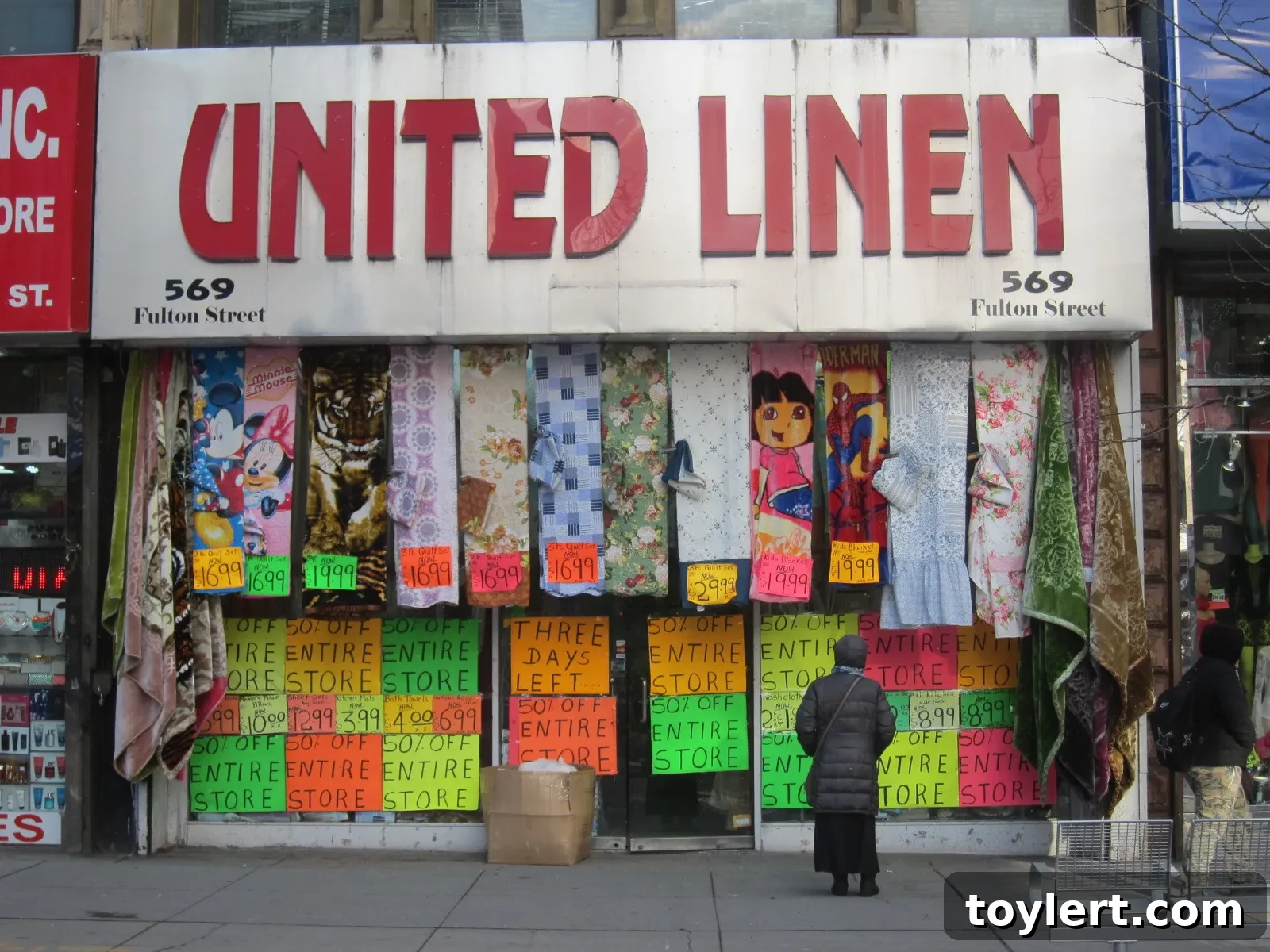
Photo by Eugene Gannon