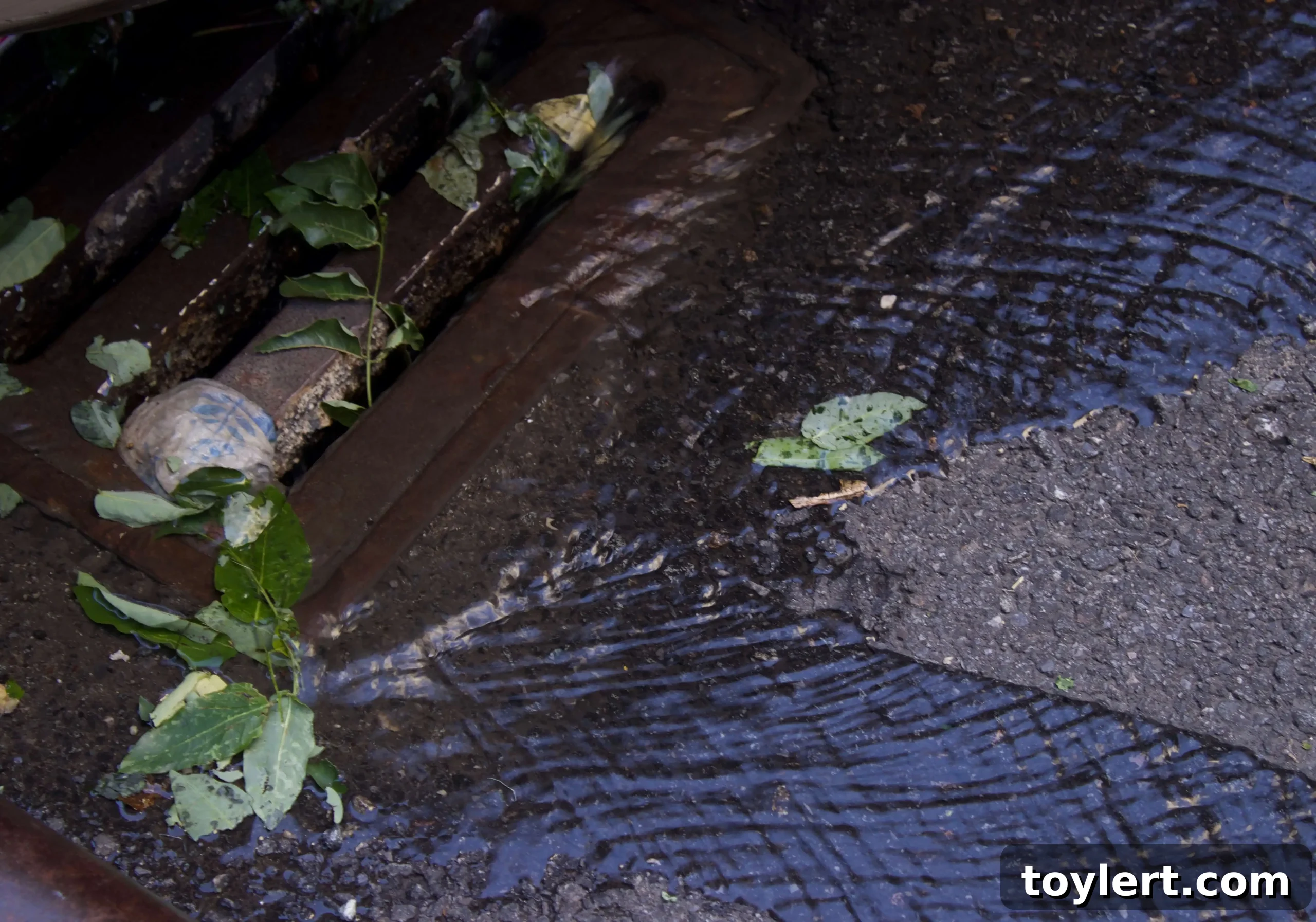
Hurricane Ida’s Devastating Impact: Historic Flooding Engulfs Brooklyn, Claims Lives, and Signals Urgent Climate Action
Wednesday night, the remnants of Hurricane Ida unleashed a deluge of historic proportions upon Brooklyn, submerging streets, overwhelming basements, and tragically claiming at least one life. As floodwaters surged across the borough, Mayor de Blasio swiftly declared a state of emergency, highlighting the sudden and severe nature of the crisis. What made Ida’s impact particularly notable was its widespread reach, affecting not only Brooklyn’s typically vulnerable coastal and low-lying areas but also inland neighborhoods previously thought safe from such extensive flooding. This event served as a stark and immediate reminder of the escalating threat posed by climate change and the urgent need for urban resilience.
The Deluge: An Unprecedented Meteorological Assault on Brooklyn
The intensity of Hurricane Ida’s rainfall in Brooklyn was nothing short of astonishing. In a mere hour, several inches of rain pounded the borough, far exceeding the capacity of its aging drainage systems. What began as a tropical storm remnants rapidly transformed into a catastrophic urban flash flood event. Residents were caught off guard as water levels rose with terrifying speed, turning familiar streets into treacherous rivers. The National Weather Service had issued flash flood warnings, but the sheer volume and velocity of the water overwhelmed existing infrastructure and safety protocols, demonstrating how quickly extreme weather events can escalate in densely populated urban environments. This was not merely a heavy rainstorm; it was a meteorological anomaly that highlighted Brooklyn’s profound vulnerability to the changing global climate.
The storm’s path, having weakened significantly over land after making landfall as a powerful hurricane, brought with it a unique set of challenges. Instead of strong winds, it was the relentless, concentrated rainfall that defined Ida’s destructive power in New York City. The ground, already saturated from previous summer storms, had little capacity to absorb the sudden downpour, leading to immediate and widespread surface flooding. This characteristic, where weakened hurricanes can still deliver immense rainfall far from their coastal impact zones, represents an increasingly common and dangerous phenomenon for cities like Brooklyn.
Widespread Devastation Across Brooklyn’s Diverse Landscape
Hurricane Ida’s floodwaters showed no prejudice, inundating a vast array of Brooklyn neighborhoods from Flatbush to Williamsburg, Bushwick to Bay Ridge. The destruction transcended socio-economic boundaries, affecting residential homes, small businesses, and critical transportation networks alike. The borough awoke to scenes of widespread devastation, with residents grappling with the immediate aftermath of the storm’s fury.
Submerged Streets and Trapped Vehicles
Perhaps the most visually striking immediate impact of Ida was the sight of Brooklyn’s streets transformed into waterways. Cars were left abandoned, partially or fully submerged, their owners having fled to higher ground or become stranded. Major arteries and local thoroughfares became impassable, creating chaos and severely impeding emergency response efforts. The sheer volume of water made navigating the borough dangerous, with many drivers risking their lives attempting to drive through what appeared to be shallow puddles but turned out to be deep, fast-moving currents. This widespread road flooding paralyzed local movement and underscored the inadequacy of current stormwater management systems to handle such extreme events.
Basement Flooding: A Personal and Public Tragedy
The most heartbreaking aspect of Ida’s impact was undoubtedly the widespread basement flooding. Throughout Brooklyn, countless homes and businesses suffered catastrophic water damage. Basement apartments, often a more affordable housing option in the borough, became deathtraps as floodwaters rapidly filled these subterranean dwellings, trapping residents. The tragic fatality reported in Brooklyn was a harrowing example of this danger, highlighting the urgent need for safer housing regulations and clearer emergency protocols for basement residents. Beyond the immediate danger, the loss of possessions, irreplaceable memories, and the structural damage to homes represented a profound personal tragedy for thousands of Brooklynites, particularly those without adequate insurance or resources for recovery.
Public Transportation Paralysis
Brooklyn’s lifeline, its extensive subway system, was brought to a standstill by Ida’s relentless downpour. Iconic subway stations transformed into waterfalls, with torrents of water cascading down stairwells and onto platforms. Tracks were submerged, making service impossible and stranding thousands of commuters. The MTA was forced to suspend virtually all subway service, exacerbating the chaos and highlighting the acute vulnerability of New York City’s vital transportation infrastructure to extreme weather. The images of water rushing through subway tunnels became a powerful symbol of the storm’s disruptive power and the challenges facing an aging transit system in an era of climate change.
The Human Cost and Immediate Response
The most somber consequence of Hurricane Ida’s wrath in Brooklyn was the loss of life. The tragic death of a resident trapped in a basement apartment served as a stark and painful reminder of the human toll exacted by these increasingly severe weather events. This fatality, along with others across the city, underscored the specific dangers of basement dwellings during flash floods, particularly for those who may not have received or been able to act on warnings in time.
In response to the escalating crisis, Mayor Bill de Blasio declared a state of emergency for New York City, freeing up resources and empowering emergency services to act swiftly. First responders, including NYPD, FDNY, and specialized rescue teams, worked tirelessly through the night, conducting numerous water rescues, evacuating trapped residents, and responding to a multitude of distress calls. Their heroic efforts undoubtedly prevented further loss of life, but the sheer scale of the emergency tested the limits of the city’s preparedness and response capabilities. Community groups and volunteers also mobilized quickly, offering assistance to neighbors and beginning the long process of recovery and mutual aid.
A Stark Reminder of Climate Change’s Urban Impact
Hurricane Ida was not an isolated incident but rather another emphatic signal of the accelerating climate crisis. Scientists have long warned that global warming would lead to more frequent and intense extreme weather events, including heavier rainfall and more powerful storms. Brooklyn, like many other coastal cities, is on the front lines of this battle, experiencing firsthand the devastating consequences of a rapidly changing climate.
The fact that Ida’s flooding impacted areas typically considered safe—beyond the usual flood zones—is a critical piece of evidence. It signifies a fundamental shift in the risk landscape. What were once considered “100-year flood” events are now occurring with alarming regularity, challenging the very foundations of urban planning, infrastructure design, and emergency preparedness. This pattern necessitates a re-evaluation of how cities understand and mitigate climate-related risks, moving beyond historical data to project future vulnerabilities with greater foresight.
Infrastructure Under Pressure: A City’s Breaking Point
Brooklyn’s infrastructure, much of it dating back over a century, proved woefully inadequate against Ida’s torrential downpour. The city’s combined sewer system, designed to handle both stormwater and sewage, was quickly overwhelmed, leading to devastating backups and contaminated floodwaters. This failure not only exacerbated property damage but also posed significant public health risks. The sight of sewage mixing with stormwater in the streets and basements was a grim illustration of an overloaded system at its breaking point.
The vulnerability of the subway system, a subterranean network, was also brought into sharp focus. While efforts have been made to harden the MTA’s infrastructure since Superstorm Sandy, Ida demonstrated that even with those improvements, a deluge of this magnitude can still cripple the transit system. Building truly resilient urban infrastructure in a dense metropolis like Brooklyn requires monumental investment and innovative solutions that go beyond traditional engineering approaches, embracing nature-based solutions and comprehensive urban planning.
Charting a Path Forward: Resilience and Preparedness for Brooklyn
The aftermath of Hurricane Ida in Brooklyn is a clear call to action. The immediate recovery efforts, focused on cleanup, damage assessment, and providing aid to affected residents, are only the first steps. The long-term challenge lies in building a more resilient Brooklyn, capable of withstanding future climate shocks.
Upgrading Urban Infrastructure
Significant investment is urgently needed to modernize Brooklyn’s sewer and drainage systems. This includes expanding pipe capacity, implementing smart sewer technologies, and separating combined sewers where feasible. Billions of dollars will be required, but the cost of inaction, as evidenced by Ida, far outweighs the investment in preventative measures. Furthermore, building codes and zoning regulations must be updated to account for increased flood risks, especially concerning basement dwellings.
Community Preparedness and Education
Beyond infrastructure, empowering Brooklyn residents with knowledge and resources is crucial. Comprehensive public awareness campaigns are needed to educate residents about flash flood risks, emergency preparedness kits, and safe evacuation routes. For those residing in basement apartments, specific safety guidelines and early warning systems must be developed and disseminated effectively. Fostering community-level resilience, where neighbors are equipped to assist each other, will be vital in future emergencies.
Policy, Planning, and Green Infrastructure Solutions
Brooklyn and New York City must integrate climate adaptation into every aspect of urban planning and policy. This means investing in green infrastructure projects such as rain gardens, permeable pavements, and urban wetlands, which can naturally absorb and manage stormwater runoff. These solutions not only help mitigate flooding but also offer co-benefits like improved air quality and increased green spaces. Furthermore, land use policies should discourage construction in high-risk areas and promote development that works with, rather than against, natural hydrological processes.
Hurricane Ida’s visit to Brooklyn was a brutal and tragic lesson. It underscored the immediate dangers of extreme weather in an urban environment and the profound interconnectedness of climate change with daily life. The memories of flooded streets, overwhelmed subways, and personal losses will undoubtedly linger, serving as a powerful and undeniable call for urgent action. For Brooklyn, the path forward demands a concerted, multi-faceted approach – one that combines robust infrastructure upgrades, proactive community engagement, and forward-thinking policy. Only through such comprehensive efforts can the borough hope to build a safer, more resilient future against the escalating challenges of a changing climate.