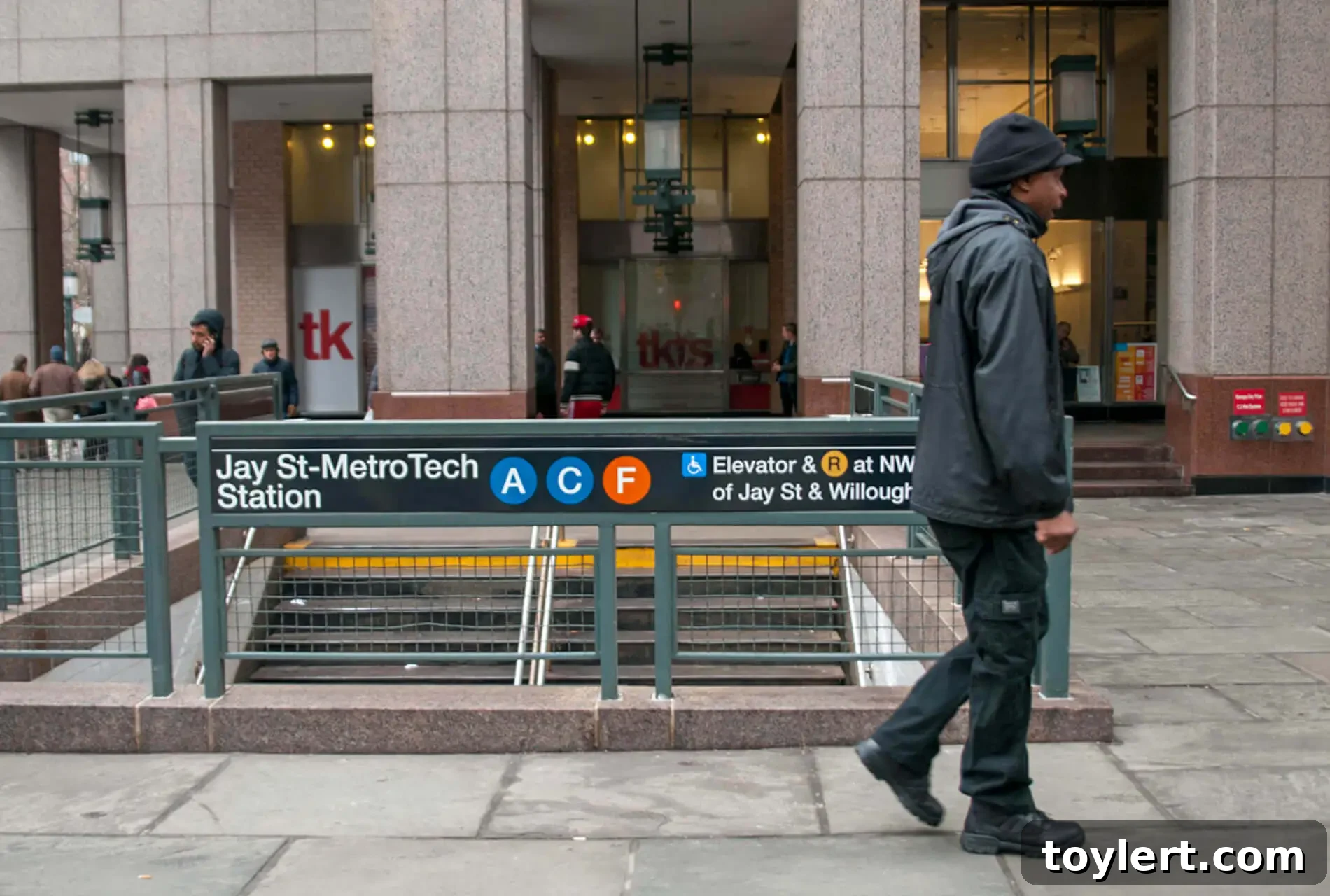
MTA Commences Final Major Superstorm Sandy Subway Tunnel Repair: The F Train’s Rutgers Tube
Nearly eight years after Superstorm Sandy unleashed unprecedented devastation upon New York City’s vital infrastructure, the Metropolitan Transportation Authority (MTA) is embarking on a crucial multi-million-dollar project. This significant undertaking focuses on the F train’s underwater tunnel, commonly known as the Rutgers Tube, a critical subterranean link connecting Brooklyn and Manhattan. This recent announcement marks a pivotal moment in the city’s ongoing, extensive efforts to not only repair but also fundamentally fortify its extensive subway system against the increasingly severe environmental challenges of the future.
A Legacy of Resilience: Addressing Superstorm Sandy’s Deep Impact on NYC Transit
Superstorm Sandy, which made landfall in October 2012, delivered an historic blow to New York City, profoundly affecting its intricate subway network. The storm surge, reaching record-breaking levels, inundated numerous tunnels, stations, and essential electrical and mechanical equipment. This resulted in widespread damage and service disruptions that crippled parts of the system for extended periods. The MTA was subsequently faced with the monumental task of repairing ten major underwater tunnels across the city, a testament to the storm’s immense destructive power. The Rutgers Tube, which carries the F train beneath the East River, stands as the eleventh and final major underwater tunnel slated for comprehensive repairs. This final phase underscores the sheer scale of the initial damage and the long-term, sustained commitment required for such an ambitious recovery and rebuilding effort.
The Unmistakable Importance of the Rutgers Tube
The Rutgers Tube is far more than just a passage; it represents a vital artery for hundreds of thousands of daily commuters traveling between Brooklyn’s York Street station and Manhattan’s East Broadway stop. Its consistent and reliable operation is absolutely essential for the seamless flow of traffic, labor, and commerce across the East River, serving as a backbone for daily life and economic activity. The damage sustained during Superstorm Sandy severely compromised its structural integrity, power systems, and critical operational components, making these repairs not merely necessary but absolutely imperative for ensuring the long-term safety, efficiency, and unwavering reliability of F train service for decades to come.
Project Scope and Timeline: Preparing for Enhanced Subway Service
This extensive repair project, estimated to cost between $50 million and $100 million, reflects the inherent complexity and highly specialized nature of working on underwater infrastructure. The substantial financial investment clearly signals the MTA’s unwavering commitment to guaranteeing the safety, operational efficiency, and extended longevity of one of its most critical and heavily utilized subway lines.
The project is structured with a clear timeline to facilitate efficient execution and eventual completion:
- Preparation Phase: Initial preparatory work for the Rutgers Tube is strategically scheduled to commence in August. This crucial preliminary phase typically involves essential activities such as site mobilization, the staging of specialized equipment, and comprehensive preliminary inspections to ensure a smooth, organized transition into the more intensive major construction work.
- Major Construction: Core repair activities are slated to begin in mid-September. This period will witness intensive, focused work on various critical components of the tunnel infrastructure, employing advanced engineering techniques and materials.
- Project Completion: The entire Rutgers Tube repair project is anticipated to wrap up by next spring. While an exact completion date will be provided closer to the project’s culmination, this ambitious timeline suggests a highly concentrated and efficient effort designed to minimize long-term disruption while ensuring that all repairs are executed with the utmost thoroughness and adherence to safety standards.
Specifics of the Repair Work: Diving Deep into Infrastructure Renewal
Repairing an underwater subway tunnel entails far more than simple cosmetic fixes or superficial patch-ups. The comprehensive scope of work planned for the Rutgers Tube is expected to encompass a wide range of critical interventions, all specifically designed to address the deep-seated damage caused by corrosive saltwater inundation and, crucially, to significantly enhance the tunnel’s overall resilience against any potential future environmental events:
- Track and Signal System Overhaul: Saltwater is notoriously corrosive. The existing track beds, intricate signal cables, and their associated electronic equipment would have been severely compromised by Sandy’s floodwaters. The planned repairs will almost certainly involve the wholesale replacement or extensive refurbishment of these critical components to guarantee safe, reliable, and efficient train operations.
- Power and Communication Infrastructure Upgrade: The electrical conduits, vital power cables, and complex communication lines running throughout the tunnel are the lifeblood of its operation. This project will heavily focus on upgrading, replacing, and modernizing all damaged power cables, communication systems, and related infrastructure to meet current, rigorous safety and technological standards, ensuring robust connectivity.
- Advanced Waterproofing and Resiliency Measures: A cornerstone of all post-Sandy repairs is not merely to fix the immediate damage but to proactively prevent its recurrence. New, highly effective waterproofing membranes, robust and efficient drainage systems, and potentially advanced flood mitigation barriers will be meticulously installed to protect the tunnel from future water intrusion, thereby significantly enhancing its long-term durability and structural integrity against future climate impacts.
- Structural Repairs and Reinforcement: Depending on the precise extent of the initial damage, critical structural elements of the tunnel, such as concrete liners, bench walls, and other foundational components, may require targeted repair or substantial reinforcement. This ensures the tunnel’s overall structural integrity remains uncompromised and fully capable of withstanding the immense pressures of its environment and daily operational demands.
Minimizing Commuter Disruption: The MTA’s Strategic Approach
Any major repair project undertaken on a vital, heavily trafficked subway line invariably raises legitimate concerns among commuters about potential disruptions to their daily routines. The MTA is keenly aware of the significant impact that service changes have on the lives of New Yorkers and typically employs carefully planned strategies to mitigate inconvenience. While the precise service changes for the F train’s Rutgers Tube repair will be detailed closer to the project’s commencement, historical precedent from similar projects suggests several potential approaches designed to maintain essential service while facilitating critical work:
- Weekend and Overnight Work: To significantly minimize the impact on peak commuting hours, a substantial portion of the intensive repair work may be strategically scheduled during weekends and overnight hours when ridership levels are naturally lower. This approach allows for concentrated work with less disruption.
- Partial Closures or Reroutes: In certain instances, specific segments of the F line might experience temporary partial closures. During such times, trains could be rerouted onto adjacent subway lines where operationally feasible, or specialized shuttle services might be implemented to bridge affected gaps.
- Provision of Alternative Transportation: The MTA frequently provides supplementary alternative transportation options, such as free shuttle buses, specifically designed to bridge service gaps or efficiently connect commuters to unaffected subway lines, ensuring continuity of travel for passengers.
- Proactive Public Information Campaigns: Clear, concise, and timely communication is absolutely paramount during such projects. The MTA is expected to launch extensive public information campaigns through its official website, social media channels, comprehensive station announcements, and strategic partnerships with local news outlets to inform riders well in advance of any upcoming service changes, enabling them to plan their journeys effectively.
Commuters who regularly utilize the F train are strongly advised to regularly check the MTA’s official website, its dedicated mobile application, and posted station signage for the most accurate and up-to-date information regarding any potential F train service modifications once the critical repair project is officially underway. Staying informed will allow for smoother travel planning.
A Broader Vision: Investing in New York City’s Future Infrastructure and Resilience
The extensive repair of the Rutgers Tube is far more than an isolated or standalone project; it stands as a powerful symbol of New York City’s enduring and unwavering commitment to rebuilding its infrastructure stronger, smarter, and with significantly enhanced resilience. Superstorm Sandy served as a stark and unforgettable reminder of the profound vulnerability of massive urban transit systems to extreme weather events—a critical challenge that is only intensifying globally with the accelerating pace of climate change.
This project, undertaken in conjunction with the extensive repairs already completed on ten other crucial underwater tunnels, represents an immense and strategic investment in the city’s future. It assures that the millions of New Yorkers who depend on the subway system every single day can continue to do so safely, efficiently, and with reliable service for years to come. Moreover, these fundamental infrastructure upgrades contribute profoundly to the economic vitality and robust growth of the city by maintaining seamless and efficient connections between key boroughs, facilitating essential labor mobility, and providing crucial support for local businesses that rely on accessible transportation.
By investing in advanced waterproofing technologies, modernized signal systems, and structurally reinforced components, the MTA is not merely fixing what was broken during the storm; it is proactively future-proofing its most critical assets. This forward-thinking, proactive approach to infrastructure management is absolutely essential for a dynamic global metropolis like New York, which requires an exceptionally reliable, robust, and adaptable transportation network to thrive and sustain its position as a world-leading city.
The Road Ahead: Building a More Resilient Transit System for Tomorrow
As the final major underwater tunnel repair stemming from the devastation of Superstorm Sandy commences, New York City reaches a profoundly significant turning point in its monumental post-storm recovery efforts. The successful completion of the Rutgers Tube project will signify a critical achievement within the MTA’s broader, long-term strategy for comprehensive infrastructure resilience. This vital work ensures that one of the world’s most complex, heavily utilized, and iconic subway systems is not only thoroughly repaired but also substantially fortified and prepared to face future environmental threats with greater strength and adaptability.
The coming months will be crucial for the successful and efficient execution of these vital repairs. While temporary inconveniences for F train riders are an unavoidable possibility during such an intensive project, the long-term benefits of a significantly safer, more reliable, and climate-resilient subway line far outweigh these short-term disruptions. New Yorkers can confidently look forward to a more robust, modernized Rutgers Tube, poised and ready to serve the city’s transportation needs for many prosperous years to come.