Gowanus’s Transformative Future: Bjarke Ingels Group Unveils Visionary “Wedding Cake” Development
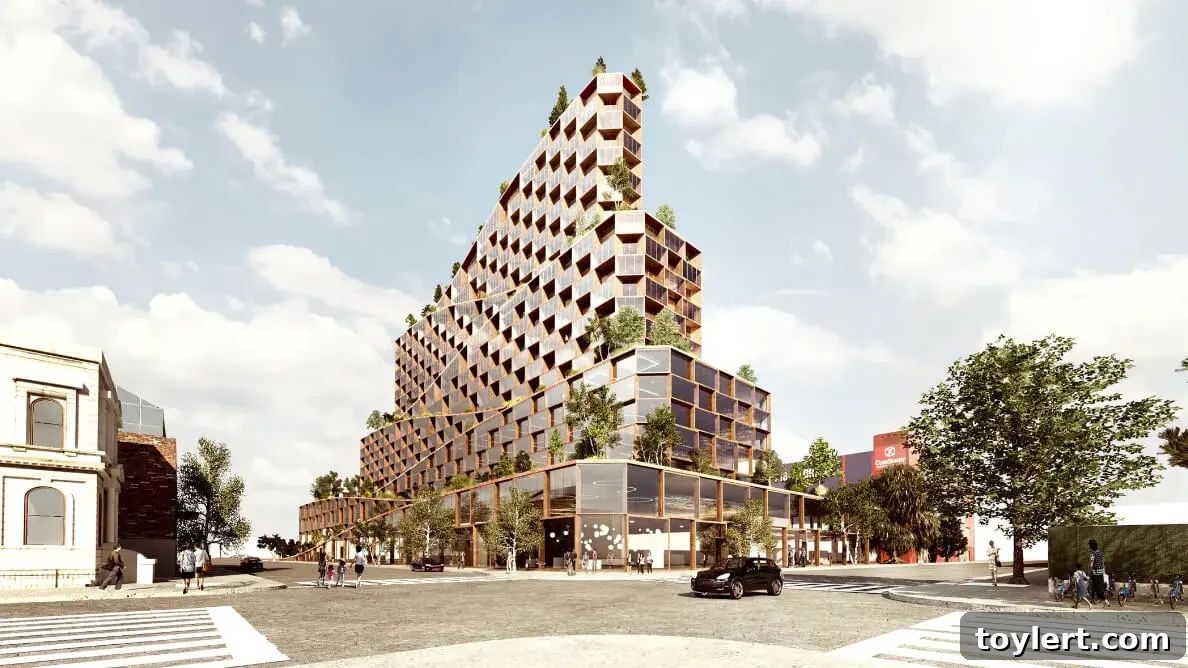
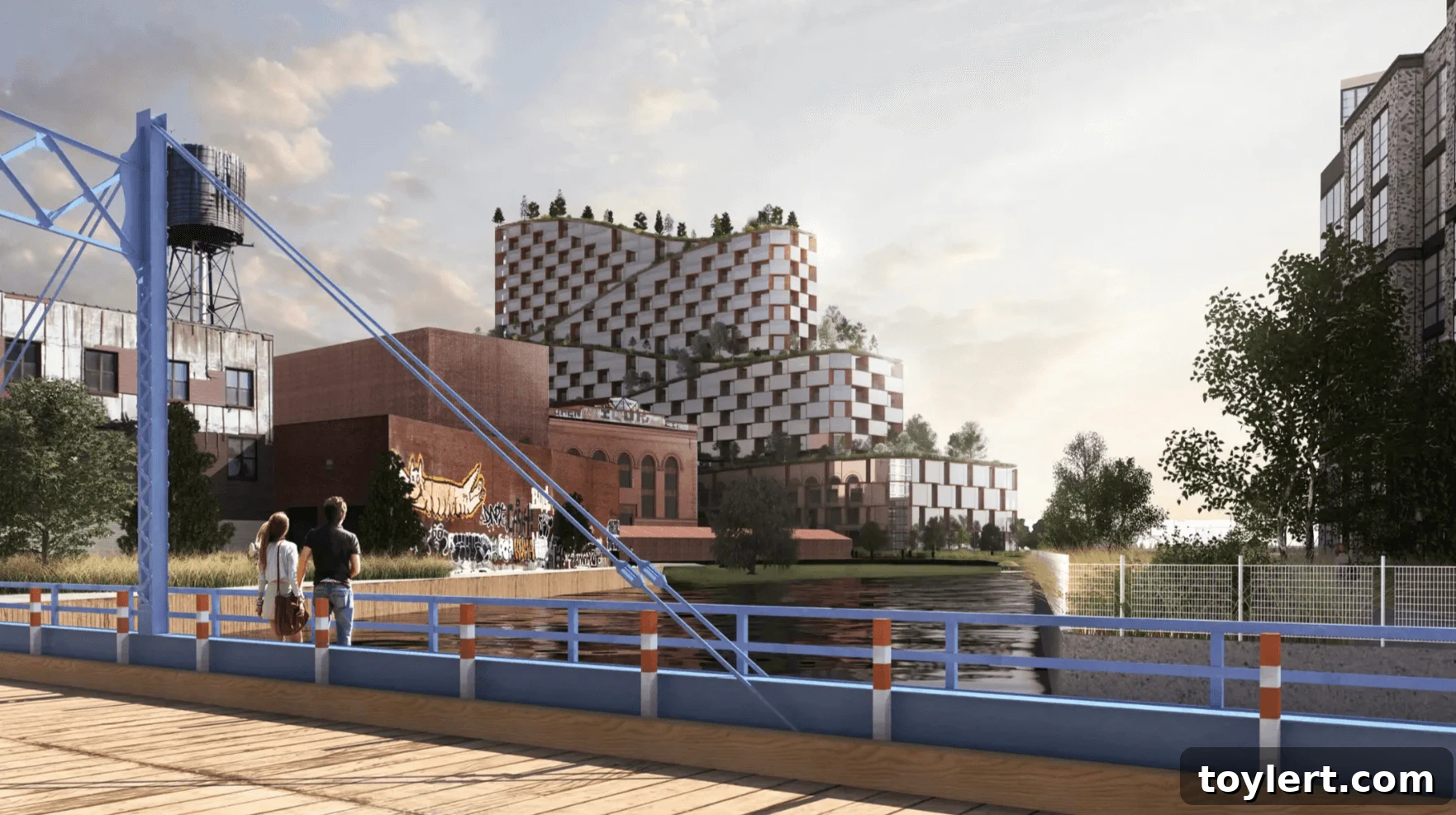
A groundbreaking architectural concept, meticulously crafted by the renowned Brooklyn-based firm Bjarke Ingels Group (BIG), is poised to redefine the skyline and urban experience in Gowanus, Brooklyn. This ambitious new apartment building, strategically designed to capitalize on the recently implemented and often debated Gowanus rezoning, introduces a distinctive “wedding cake” tiered structure, complete with accessible walkable ramps and an expansive public waterfront park. More than just a residential complex, this transformative project – featuring a sophisticated terrace adorned with a sculpture by acclaimed Brooklyn artist WhIsBe, dedicated public viewing areas offering panoramic vistas, and engaging educational programming – aims to firmly establish the Gowanus area as a vibrant, multifaceted neighborhood destination for residents and visitors alike.
A Strategic Location and Grand Scale: The Gowanus Nexus
The proposed development is situated at the pivotal address of 175-225 3rd Street in Gowanus, strategically positioned adjacent to the acclaimed Powerhouse Arts in the iconic Batcave, and directly across the street from a bustling Whole Foods Market. This prime location underscores the project’s potential to become a central hub within the rapidly evolving Gowanus landscape. According to a detailed application for a new building permit filed in March, the imposing 20-story complex is slated to house an impressive 375 residential apartments. Complementing the residential units, the ground floor will host vibrant retail spaces, fostering a dynamic street-level experience, while comprehensive parking facilities will accommodate approximately 100 vehicles. The developer behind this monumental undertaking is Aby Rosen of RFR Holding, a prominent name in New York City real estate. Rosen’s firm had previously considered divesting the site, actively marketing it for sale after acquiring it in 2018 from SL Green and Kushner Companies for a significant sum of $115 million, a transaction widely reported by The Real Deal at the time. The decision to proceed with development rather than sale highlights the perceived long-term value and strategic importance of this particular Gowanus parcel.
Bjarke Ingels Group: Redefining Urban Living with Innovative Design
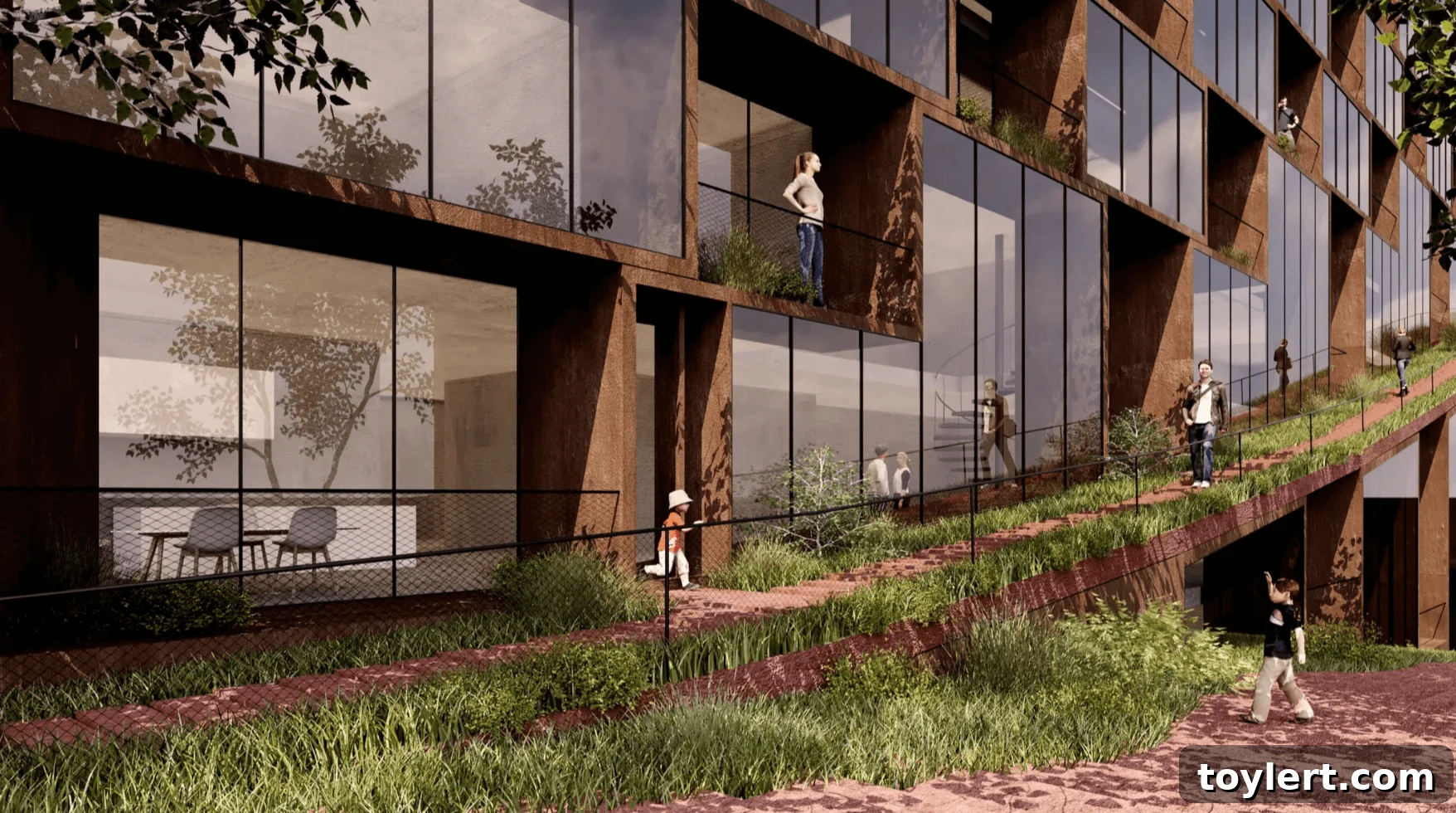
The architectural vision for 175-225 3rd Street is undoubtedly its most compelling feature. Bjarke Ingels Group (BIG) is globally celebrated for its audacious, context-driven, and often playful designs that challenge conventional urban paradigms. Their “wedding cake” concept for Gowanus is no exception, representing a bold departure from traditional high-rise aesthetics. This tiered approach is not merely a stylistic choice; it’s a fundamental element of the building’s functionality and its integration with the surrounding environment. Each tier is meticulously designed to recede, creating expansive outdoor terraces and green spaces that ascend the building, blurring the lines between private residences and public amenities. The inclusion of walkable ramps is a signature BIG move, transforming what might otherwise be dead space into active, engaging pathways. These ramps will offer residents and the public an immersive journey through landscaped gardens, connecting various levels of the building and ultimately leading to the waterfront park below. This innovative design promotes vertical connectivity and community interaction, fostering a sense of neighborhood within the building itself. BIG’s commitment to sustainable and human-centric design is evident in every facet of this project, promising a building that is not only visually striking but also deeply rooted in its community and environment.
Building a Community Destination: Amenities and Public Engagement
Beyond its striking architecture, the 175-225 3rd Street project is meticulously designed to foster a vibrant community and serve as a true destination. The inclusion of a waterfront park is paramount, offering direct public access to the Gowanus Canal – a significant step in the area’s ongoing revitalization efforts. This park will not only provide much-needed green space but also act as a natural gathering point for both residents and the wider Gowanus community. The terrace, envisioned as a prime amenity, will feature a unique sculpture by Brooklyn artist WhIsBe, adding a layer of cultural enrichment and local artistic flair to the development. Public viewing spots strategically placed throughout the complex will invite everyone to enjoy unparalleled vistas of the canal, the evolving Gowanus neighborhood, and the iconic Brooklyn skyline. Furthermore, the commitment to educational programming within the development underscores a broader vision for community engagement. These programs could range from environmental workshops focused on the canal’s ecosystem to cultural events celebrating local artistry, ensuring that the building contributes meaningfully to the intellectual and social fabric of Gowanus. By weaving together residential living with accessible public spaces, art, and educational opportunities, the RFR Holding and BIG collaboration aims to create a dynamic, inclusive environment that transcends traditional apartment living.
The Gowanus Rezoning: A Catalyst for Change and Growth
The ambitious scale and nature of the 175-225 3rd Street development are directly linked to the controversial Gowanus rezoning. Approved in 2021, this rezoning initiative was designed to spur significant residential and commercial growth in the area, aiming to transform a historically industrial zone into a vibrant mixed-use neighborhood. While the rezoning promised thousands of new housing units, job creation, and substantial investments in infrastructure and environmental remediation, it also sparked considerable debate regarding potential gentrification, strains on existing services, and the long-term character of Gowanus. Projects like the BIG-designed building exemplify the kind of high-density, amenity-rich development the rezoning sought to encourage. By integrating public spaces and amenities directly into the development, it attempts to address some of the community’s desires for improved waterfront access and neighborhood resources. This development stands as a testament to the profound impact of the rezoning, signaling a new chapter for Gowanus as it transitions into a modern urban enclave while grappling with its industrial past and environmental challenges.
Navigating the Development Landscape: Permits and Environmental Remediation
While the architectural renderings present a compelling vision, the practical journey to realizing this Gowanus landmark is multifaceted, particularly concerning regulatory approvals and environmental considerations. As of current records, a new building permit for the entire structure has not yet been issued. However, the developer, RFR Holding, has successfully secured permits for crucial initial phases, specifically excavation and foundation work, including the installation of piles. This indicates that significant preparatory groundwork can commence, setting the stage for vertical construction. A critical hurdle that must be cleared before full construction can begin involves environmental remediation. The State of New York requires approval of a Hazardous Materials Remedial Action Work Plan for the site, as documented by the Department of Buildings (DOB). This requirement is particularly significant given the Gowanus Canal’s designation as a Superfund site, underscoring the necessity for thorough environmental assessment and clean-up to mitigate legacy industrial contamination. A recent site visit revealed that the property currently serves as a parking facility for Verizon, and still contains remnants of its industrial past: a one-story brick building situated on the canal side and a 1.5-story metal warehouse occupying the prominent corner of 3rd Street and 3rd Avenue. The removal or integration of these existing structures, along with the comprehensive remediation of hazardous materials, will be integral steps in paving the way for the future “wedding cake” development, ensuring that the site is safe and suitable for its intended purpose.
RFR Holding’s Strategic Investment in Brooklyn’s Future
The involvement of RFR Holding and its principal, Aby Rosen, underscores the strategic significance and perceived value of this Gowanus project. RFR Holding is renowned for its portfolio of prestigious properties and its ability to execute complex, large-scale developments that often transform urban landscapes. Their decision to invest in and develop this site, rather than sell it after its acquisition in 2018, speaks volumes about their confidence in the long-term growth trajectory of Gowanus and Brooklyn as a whole. This investment is not just in a building but in the future of an entire neighborhood, aligning with the broader vision of urban regeneration catalyzed by the Gowanus rezoning. RFR Holding’s expertise in navigating intricate development processes, coupled with their financial acumen, positions this project for success, albeit within the challenging environmental and regulatory framework of the Gowanus area. Their commitment to working with a visionary firm like Bjarke Ingels Group further signals a dedication to creating a landmark development that will stand as a testament to quality, innovation, and community integration.
A New Chapter for Gowanus: Envisioning a Modern Urban Landmark
The proposed development at 175-225 3rd Street by Bjarke Ingels Group and RFR Holding represents more than just a new building; it embodies a pivotal moment in Gowanus’s ongoing evolution. It signifies the ambitious spirit of urban transformation, blending cutting-edge architecture with a deep commitment to public engagement and environmental responsibility. As construction progresses, and subject to the necessary approvals and remediation, this “wedding cake” structure with its inviting ramps, public art, and waterfront park is poised to become an iconic feature of the Brooklyn skyline. It promises to attract new residents, invigorate local commerce, and provide invaluable public amenities, ultimately solidifying Gowanus’s identity as a modern, dynamic, and desirable urban destination. This project is a testament to the potential of thoughtful, innovative design to shape the future of our cities, demonstrating how complex challenges can be met with creative solutions that benefit both the environment and the community.