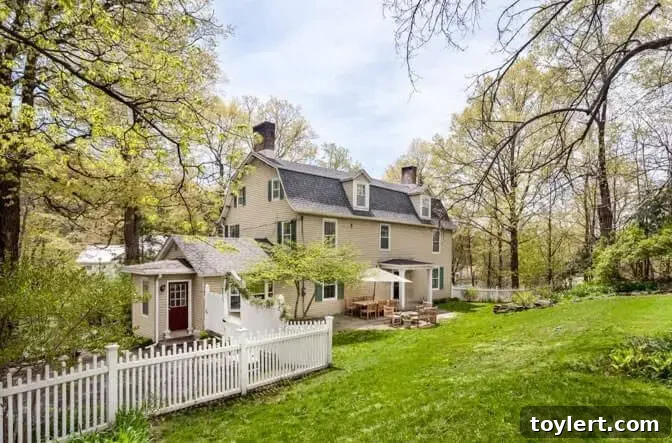
Rediscover History: A Portrait of Elegance at 15 Spring Lake Road, Red Hook, NY
Nestled in the picturesque landscape of Upper Red Hook, New York, lies a captivating wood-frame residence that transcends time. This enchanting property, deeply rooted in 18th-century origins, gained significant renown as the cherished summer retreat of Edward Ludlow Mooney, a distinguished American artist of the mid-19th century. Mooney, celebrated for his masterful formal portraits of influential figures and men of power, found solace and inspiration within the walls of this charming home, leaving an indelible mark on its legacy. Now, this remarkable piece of history at 15 Spring Lake Road is available on the market, offering a rare opportunity to own a piece of artistic and architectural heritage in the heart of the Hudson Valley.
The Artistic Legacy of Edward Ludlow Mooney
The allure of 15 Spring Lake Road is inextricably linked to its most prominent past resident, Edward Ludlow Mooney (1813–1887). A celebrated American portrait painter, Mooney was a significant figure in the art world of his time. His canvases captured the gravitas and character of notable personalities, including politicians, industrialists, and other powerful men of mid-19th century America. Mooney’s meticulous attention to detail and ability to convey the essence of his subjects earned him widespread acclaim, and his works are today held in esteemed collections across the nation. For an artist of such stature, the tranquility and natural beauty of Upper Red Hook must have provided a perfect escape from the bustling city life of New York, allowing him to focus on his craft and replenish his creative spirit during his summer sojourns. This house, therefore, isn’t just a structure; it’s a sanctuary where history and art converged, echoing the quiet dedication of a master at work.
Imagine the artist taking respite from his demanding studio in New York City, seeking the serene embrace of the Hudson Valley. This house would have been his haven, a place where he could perhaps sketch new ideas, reflect on ongoing commissions, or simply enjoy the rural charm that defines Red Hook. The light filtering through the windows, the changing seasons, and the peaceful environment undoubtedly influenced his perspective, even if subtly, enriching the very fabric of his artistic output. Owning this property means becoming a custodian of a space where creative genius once flourished, a tangible link to a pivotal era in American art and culture.
Architectural Roots and Enduring Charm
While Edward Ludlow Mooney’s residency offers a compelling narrative, the house’s architectural story begins much earlier. According to meticulous research presented in a 1983 article by Clare O’Neill Carr in The Gazette Advertiser, this remarkable home was originally constructed between 1775 and 1783. This places its origins firmly within the tumultuous yet formative period of the American Revolutionary War and its immediate aftermath, making it a true relic of early American craftsmanship and resilience. The property sits on land that once belonged to the influential Livingston family, one of the most prominent landowning families in New York’s colonial and post-Revolutionary history. Their extensive holdings shaped much of the Hudson Valley’s development, and to be built on their ancestral lands speaks volumes about the early significance and desirable location of this particular parcel.
The wood-frame construction, characteristic of the era, would have been built with local materials and techniques passed down through generations of builders. These homes are renowned for their robust construction and simple, elegant lines that have stood the test of time. While the house has undoubtedly seen various adaptations and updates over two centuries, its fundamental architectural integrity and charm persist. The very timbers of this house have witnessed the birth of a nation, the expansion of westward ideals, and the evolving tapestry of American life. Such a depth of history is rare, offering an unparalleled sense of connection to the past for its future inhabitants. The preservation of these historic homes is vital, not just for their aesthetic appeal but as tangible reminders of our collective heritage.
A Journey Through Time: Early Ownership and Transformation
Following its initial construction, the property transitioned into new hands around 1790, when it was acquired by the Lyle family. The Lyles maintained ownership of the house for over six decades, keeping it within their family until the 1850s. This lengthy period of family stewardship suggests a deep connection to the land and the community, allowing the house to evolve and bear witness to the joys and trials of generations. Family homes that remain in single ownership for such extended periods often develop a unique character, imbued with the stories and memories of those who lived there. The Lyle family’s tenure would have seen the expansion of agriculture in the region, the growth of local townships, and the burgeoning cultural scene that would later attract figures like Edward Ludlow Mooney. This continuous chain of ownership adds layers of narrative to the house, making it more than just bricks and mortar, but a living chronicle of its past inhabitants.
Understanding these historical transitions provides a richer context for the property’s journey. Each family who called 15 Spring Lake Road home contributed to its evolving identity, from its initial colonial-era construction to its transformation into an artist’s refuge. The architectural details, the layout of the rooms, and even the surrounding landscape bear the subtle imprints of these past lives, waiting to be discovered and appreciated by its next owner. This historical depth is a core part of its appeal, offering a unique opportunity to live within a narrative that spans centuries.
Exploring Upper Red Hook and the Majestic Hudson Valley
The location of this historic residence in Upper Red Hook, New York, is as significant as its past. Red Hook, a vibrant town in Dutchess County, is celebrated for its blend of rural charm, sophisticated culture, and proximity to New York City. Upper Red Hook, in particular, retains much of its historic character and tranquil beauty, offering a serene environment without sacrificing access to amenities. The area is renowned for its fertile farmlands, scenic vistas of the Catskill Mountains, and the majestic Hudson River, which has served as a muse for artists and a vital artery for commerce for centuries. Living here means embracing a lifestyle where natural beauty and cultural richness coexist harmoniously.
The Hudson Valley itself is a region steeped in history, natural splendor, and a thriving contemporary scene. From the charming small towns dotting the riverbanks to the rolling hills and abundant hiking trails, there’s an endless array of activities and experiences. Red Hook specifically boasts a strong sense of community, excellent local schools, farm-to-table dining experiences, and a calendar full of cultural events. Art galleries, antique shops, and local markets are plentiful, reflecting the creative spirit that has long drawn artists like Mooney to this region. The easy access to major transportation routes makes it an ideal location for those seeking a primary residence or a luxurious weekend escape from urban life.
A Home Reimagined: Blending History with Modern Living
While 15 Spring Lake Road carries the weight of centuries, it also offers immense potential for modern living. A historic wood-frame house of this vintage typically features sturdy construction, original wide-plank flooring, intricate trim work, and perhaps multiple fireplaces, all contributing to an authentic period ambiance. These elements provide a perfect canvas for sensitive renovation, allowing new owners to update systems and amenities while carefully preserving the architectural integrity and historical charm. Envision spacious rooms bathed in natural light, ideal for entertaining or quiet contemplation. The grounds surrounding such a property would typically offer ample space for gardens, outdoor living areas, or even further artistic pursuits, mirroring Mooney’s own use of the retreat.
The beauty of acquiring a home with such a rich past lies in the opportunity to honor its heritage while infusing it with contemporary comforts. Modern kitchens and bathrooms can be seamlessly integrated, ensuring functionality without detracting from the historic aesthetic. Energy-efficient upgrades can be undertaken, blending sustainability with preservation. This balance creates a living space that is both deeply rooted in history and perfectly suited for the demands of the 21st century. It’s an opportunity not just to own a house, but to steward a legacy and shape its next chapter.
An Investment in Heritage and Lifestyle
Owning a property like 15 Spring Lake Road is more than a real estate transaction; it’s an investment in a unique lifestyle and a tangible connection to American history. It offers the rare chance to live in a home that has inspired an acclaimed artist, hosted generations of families, and stood resilient through pivotal moments in time. The demand for historic homes in desirable locations like Red Hook and the broader Hudson Valley continues to grow, as discerning buyers seek properties with character, charm, and a story to tell. This house embodies all these qualities, presenting an exceptional value proposition.
Whether you envision it as a permanent residence, a creative sanctuary, or a distinguished weekend retreat, this Red Hook gem promises a life enriched by history, art, and the unparalleled beauty of the Hudson Valley. It’s a place where every corner holds a whisper of the past, and every sunrise promises new inspiration. Don’t miss the chance to become part of this ongoing story and claim your own piece of American heritage.
This extraordinary property at 15 Spring Lake Road invites its next steward to embrace its rich past and envision its vibrant future. Its presence on the market is a call to those who appreciate the profound beauty of history preserved, the quiet inspiration of an artist’s haven, and the timeless appeal of a truly remarkable home in one of New York’s most enchanting regions.
For further details on the house’s extensive history, the original article by Clare O’Neill Carr, published in The Gazette Advertiser in 1983, remains a valuable resource: View Historical Article