Uncovering Brooklyn’s Hidden Histories: Researching the American Casserole Company and Beyond
Brownstoner frequently receives heartfelt inquiries from our dedicated readers. Many are eager to uncover more information about the origins, architectural style, or original designer of a particular Brooklyn building, to trace the legacy of a history-making Brooklynite, or to delve deep into the rich architectural tapestry of a beloved neighborhood. While our team can’t always conduct exhaustive research for every fascinating question that comes our way, we are committed to providing foundational knowledge and invaluable research tips to empower the curious to embark on their own journeys of discovery. This article serves as a comprehensive guide, inspired by a recent reader’s quest, to help you navigate the intriguing world of Brooklyn’s past.
A Reader’s Quest: Connecting Family History to Brooklyn’s Industrial Past
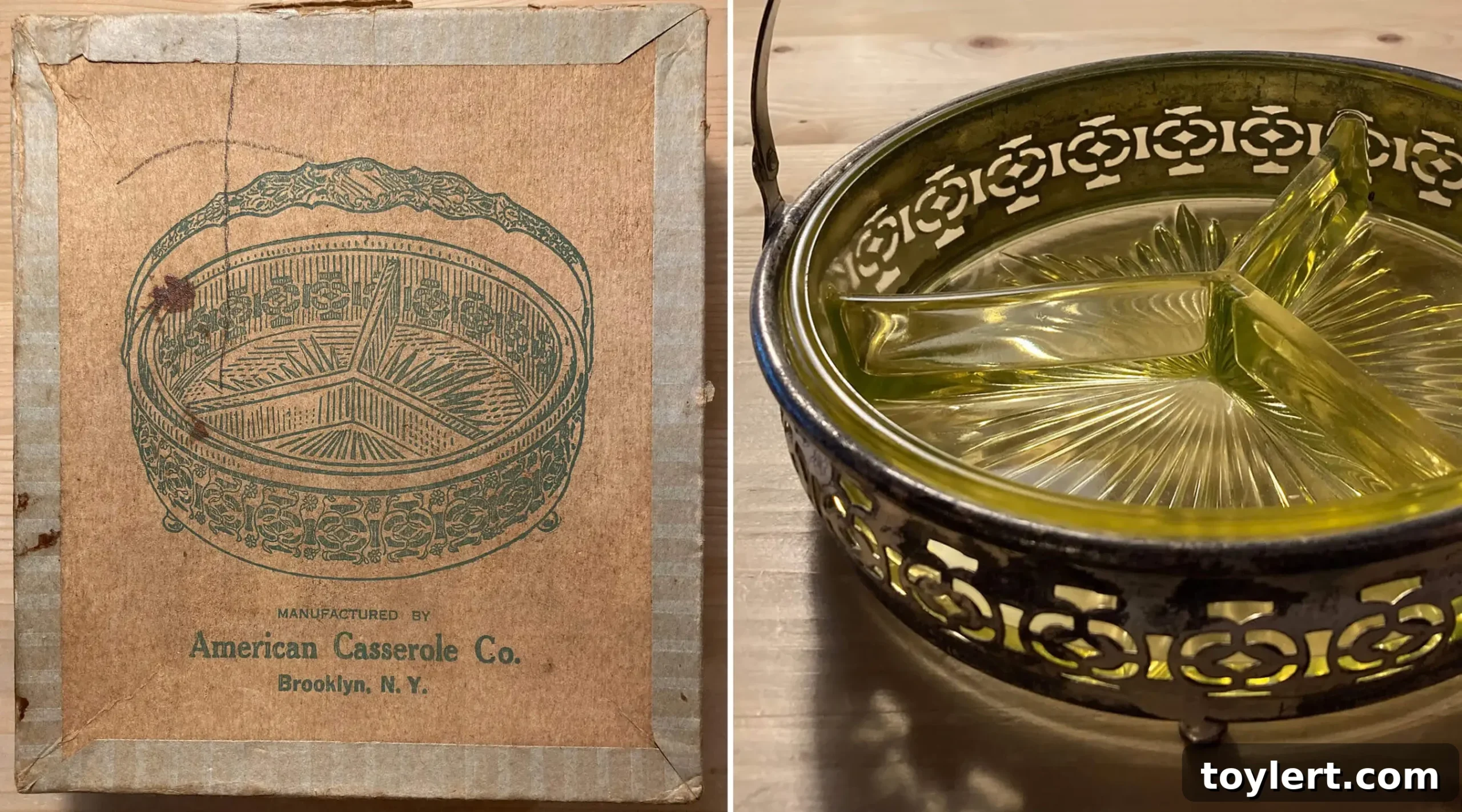
Reader: I am deeply invested in uncovering the complete history of the American Casserole Company of Brooklyn. My goal is to connect a meaningful piece of Brooklyn’s industrial past to each of our cherished family artifacts. Despite extensive online searching, I’ve struggled to find any significant references or definitive information about this company. I believe this company holds a crucial link to my family’s heritage, and I’m eager to learn more.
Brownstoner: Your dedication to preserving family history through historical research is truly commendable and deeply resonant with the spirit of Brownstoner. It’s an incredibly common, yet often challenging, endeavor to trace the history of smaller, lesser-known businesses that operated decades ago. While the circa 1920s box you possess is clearly labeled with the name “American Casserole Company,” our initial deep dive into various online newspaper archives, such as the invaluable Brooklyn Newsstand accessible through the Brooklyn Public Library, along with specialized trade magazines, suggests that the company might have been known by a slightly different name, or perhaps was a brand line of a larger entity. This subtle distinction can often be the key to unlocking a wealth of information.
The early 20th century was a dynamic period for manufacturing in Brooklyn, with countless small and medium-sized businesses contributing to the borough’s economic engine. Companies often evolved, rebranded, or operated under various names and subsidiaries, making direct searches challenging. Our approach will involve casting a wider net, exploring avenues that might reveal these variations and connections.
Navigating the Archives: Strategies for Uncovering Brooklyn’s Forgotten Businesses
Diving into Digital Archives: Unearthing Newspaper Records and Advertisements
One of the most potent resources for tracking down historical businesses is the vast trove of digitized newspaper archives. These archives act as a digital window into daily life, commerce, and industry of bygone eras. For Brooklyn-specific research, the Brooklyn Newsstand, a fantastic resource provided by the Brooklyn Public Library, is an indispensable starting point. This platform allows you to search through historical Brooklyn newspapers, often revealing:
- Advertisements: Look for ads placed by the company, their distributors, or retailers selling their products. These often provide addresses, product lines, and even slogans.
- Business Notices: Small announcements regarding new business registrations, changes in ownership, legal notices, or even bankruptcy filings can offer critical clues.
- Local News Snippets: Sometimes, smaller companies were mentioned in local news articles detailing community events, employee features, or new product launches.
- Classifieds: Employment ads or listings for industrial spaces can also indirectly point to a company’s operations.
When searching, try various permutations of the company name: “American Casserole Company,” “American Casserole Co.,” “Casserole Company,” “American Casseroles,” or even just “casserole” combined with “Brooklyn” in a date range around the 1920s. Don’t limit your search to exact phrases; use keywords and proximity searches to catch mentions where the name might be slightly altered or abbreviated.
The Unsung Heroes: Trade Magazines and Industry Catalogs
Beyond general newspapers, specialized trade magazines were immensely popular with industries of all sizes during the early 20th century. These publications were dedicated to specific sectors—whether it was kitchenware manufacturing, glass production, general housewares, or food service. They served as vital communication channels, sharing industry news, product innovations, and company profiles.
Trade magazines can be an exceptionally rich source of information for your “American Casserole Company” inquiry. They might feature:
- Product Showcases: Detailed descriptions and images of new casserole dishes, often naming the manufacturer.
- Company Spotlights: Articles on successful businesses, their production methods, or distribution networks.
- Advertisements from Suppliers: Companies selling glass, ceramics, or packaging materials would advertise to casserole manufacturers, sometimes listing their clients or demonstrating products relevant to the industry.
- Industry Directories: Many trade publications included annual directories of companies operating within their sector.
Hunting for these can be a bit more challenging than newspaper archives, but resources like Google Books and the Internet Archive offer particularly strong collections of digitized periodicals and catalogs. The Internet Archive, in particular, boasts a remarkable collection, including numerous architectural trade catalogs, which, while focused on building materials, demonstrate the breadth of their catalog collection that might extend to housewares. When searching these platforms, use terms like “housewares trade journal,” “glassware manufacturer magazine,” “ceramic industry review,” or “kitchenware industry bulletin” alongside “Brooklyn” and your target dates.
Leveraging Local Resources: The Brooklyn Public Library and Beyond
The Brooklyn Public Library (BPL) is not just a gateway to online newspaper archives; it’s a treasure trove of physical and digital local history resources. Beyond the Newsstand, consider exploring:
- City Directories: These pre-telephone-era books functioned much like modern phone books, listing residents and businesses by name and address. They can help confirm a company’s existence, its address, and its proprietors year-by-year.
- Special Collections: The BPL, like many large library systems, has a local history or special collections department. They might hold unique ephemera, business records, maps, or photographs related to Brooklyn’s industrial past. A visit or an inquiry to their local history specialists could yield invaluable insights.
- Sanborn Fire Insurance Maps: These detailed maps illustrate the footprint of buildings and their usage, often labeling factories and businesses. They can help pinpoint the exact location and scale of the “American Casserole Company’s” operations.
- Librarian Expertise: Don’t underestimate the knowledge of local history librarians. They are often experts in navigating these complex resources and can offer personalized guidance.
Expanding the Search: Comprehensive Historical Research Techniques
To fully flesh out the story of the American Casserole Company, consider these broader historical research techniques:
- Corporate Filings and Registrations: State and county archives often hold records of business registrations, articles of incorporation, and dissolution papers. These can confirm legal names, founding dates, and key personnel.
- Patent Records: If the company produced innovative designs or unique manufacturing processes, they might have filed patents. Searching the US Patent and Trademark Office (USPTO) database for relevant keywords or company names could reveal groundbreaking information.
- Genealogical Records: Given your connection to family artifacts, exploring genealogical resources might shed light if a family member was involved in the company. Census records, immigration documents, and vital records can often connect individuals to their occupations and places of employment.
- Oral Histories and Local Historians: Sometimes the best information comes from those who lived through the era or local historians who have dedicated their lives to preserving community memory. Local historical societies or community groups might have individuals with knowledge of local industries.
- University Archives: Universities in the New York area might have business archives, collections on industrial history, or design archives that could inadvertently contain references to kitchenware manufacturers or Brooklyn industries.
- Property Records and Deeds: Tracing the property where the company operated through deeds and property records can sometimes reveal previous owners, subsequent businesses, and the building’s historical context.
Unraveling Corporate Lineage: Why Business Names Evolve
It’s crucial to understand that business naming conventions and corporate structures were less rigid a century ago than they are today. A company might have started with one name, then adopted “American Casserole Company” as a brand name for a specific product line, or changed its official corporate name entirely through merger, acquisition, or simply a desire for a fresh identity. For example, a glass manufacturer might have decided to diversify into finished goods like casseroles, branding them separately while retaining its primary corporate identity. This is why a flexible approach to searching—using keywords, related industry terms, and exploring potential parent companies—is often more fruitful than a rigid adherence to a single name.
The “circa 1920s” timeframe is particularly interesting, as it falls between the two World Wars, a period of significant industrial growth, innovation, and consumer product expansion in the United States. New materials, manufacturing techniques, and a burgeoning middle class led to a boom in household goods. A company like the American Casserole Company likely thrived by catering to these evolving domestic needs.
The Reward of Discovery: Preserving Brooklyn’s Industrial Heritage
Embarking on historical research, especially for seemingly obscure entities like the American Casserole Company, is akin to piecing together a complex puzzle. Each newspaper clipping, trade magazine advertisement, or city directory entry acts as a vital fragment, gradually building a clearer picture. While it requires patience and persistence, the reward of connecting a tangible family artifact to a vibrant piece of Brooklyn’s industrial and social history is immeasurable.
Brownstoner encourages you and all our readers to embrace the detective work involved in historical investigation. The stories hidden within Brooklyn’s past—its people, its buildings, and its countless businesses—are waiting to be rediscovered. Your inquiry about the American Casserole Company isn’t just about one business; it’s about preserving a thread in the rich tapestry of Brooklyn’s heritage. Good luck with your continued research, and we look forward to hearing about your discoveries!