Red Hook: Brooklyn’s Sleepy Village Awakens to a New Era
Red Hook, Brooklyn, has long been cherished for its unique character – a quiet, almost isolated waterfront community that feels a world away from the bustling metropolis. This very charm, however, is now at the heart of a fascinating transformation, prompting questions about its future. What was once seen as a tranquil escape is rapidly becoming a sought-after destination, bringing both exciting opportunities and potential challenges to its beloved identity.
Newcomer Frantz Alexandre articulates this sentiment perfectly, describing it as “our sleepy little fishing village. You don’t feel like you’re in New York City.” Victoria Hagman, a broker with Realty Collective, echoes this perspective, noting that “Red Hook is the ultimate staycation.” Indeed, on weekends, Brooklynites and visitors alike flock to its cobblestoned streets, drawn by the gentle river breezes, the tantalizing aroma from charming eateries like the ever-popular Brooklyn Crab, and the practical draw of retail giants like Ikea and Fairway. This surge in popularity signals a new chapter for Red Hook, one marked by increased attention, investment, and a palpable shift in its socio-economic landscape.
A Glimpse into Red Hook’s Enduring Appeal
Red Hook’s magnetic pull isn’t accidental; it’s deeply rooted in its rich history and distinctive ambiance. Once a thriving industrial port, its warehouses and maritime infrastructure speak to a bygone era of bustling docks and hardworking communities. After a period of decline, the neighborhood began a slow, organic revival, with artists, small business owners, and residents drawn to its spacious lofts, historic brownstones, and affordable living in comparison to other parts of Brooklyn. This gradual rebirth fostered a fiercely independent spirit and a tight-knit community feel that residents fiercely protect.
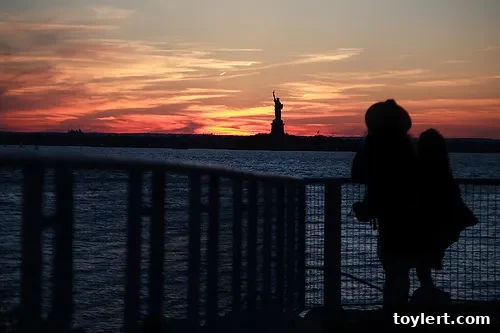
The neighborhood’s physical beauty also plays a significant role. Its waterfront location offers unparalleled views of the Manhattan skyline, the Statue of Liberty, and the harbor, making it a prime spot for sunset strolls and scenic dining. The preserved cobblestone streets add to its old-world charm, creating an atmosphere that is both nostalgic and inviting. Local parks and green spaces provide essential community gathering spots, reinforcing the village-like atmosphere amidst the urban backdrop. These elements combined create a sense of place that is truly unique, offering a respite from the urban grind and fostering a strong sense of local pride.
The Culinary and Cultural Renaissance
Beyond its picturesque setting, Red Hook has cultivated a vibrant culinary scene that caters to diverse tastes. While Brooklyn Crab remains a weekend staple, numerous other independent restaurants, cafes, and bars have emerged, offering everything from artisanal pizzas and farm-to-table dining to cozy coffee shops and lively breweries. These establishments are more than just places to eat; they are community hubs where neighbors connect and visitors immerse themselves in the local flavor. The presence of Fairway Market, a gourmet supermarket, further solidified Red Hook’s appeal as a destination for food enthusiasts, providing both convenience for residents and a draw for those seeking specialty ingredients.
Culturally, Red Hook has long been a haven for artists and creatives. Its spacious warehouses and industrial buildings, once home to factories and shipping operations, have been repurposed into studios, galleries, and performance spaces. This creative influx has infused the neighborhood with an energetic artistic spirit, manifested in local art walks, community exhibitions, and independent theaters. The announcement of major artists investing in the area, such as sculptor Dustin Yellin purchasing a warehouse with plans to transform it into a significant arts hub, underscores Red Hook’s growing reputation as a genuine cultural destination. This commitment from established artists not only brings new life and energy but also validates Red Hook’s status as a burgeoning art capital within New York City.
The Shifting Real Estate Landscape and Its Implications
The quiet isolation and undeniable charm that once defined Red Hook are now fueling a dramatic shift in its real estate market. Historically, the area offered more accessible housing options compared to its Brooklyn counterparts. However, recent years have seen property values skyrocket, with housing prices now routinely hitting and even exceeding the $1 million mark. This rapid appreciation signals a growing demand from buyers seeking unique properties, larger spaces, and a distinctive lifestyle that Red Hook promises.
Consider the examples that highlight this trend: In the last year, renowned artist Mirabelle Marden made headlines by paying $1.6 million for a house, a figure that would have been unimaginable in Red Hook just a decade prior. Even more striking is sculptor Dustin Yellin’s acquisition of a warehouse for $3.7 million, signaling not just a personal investment but a visionary plan to cultivate a significant arts and cultural center. These transactions are not isolated incidents; they are symptomatic of a broader trend where the neighborhood’s industrial past is giving way to a future defined by luxury residential conversions, artistic enterprises, and high-end commercial ventures.
While this influx of investment brings new resources and amenities to the area, it also raises critical questions about gentrification and its impact on the existing community. The majority of Red Hook’s population, over 10,000 residents, reside in the Red Hook Houses, one of New York City’s largest public housing developments. The widening gap between the soaring prices of private homes and the stable, yet vulnerable, situation of long-term residents in public housing creates tension. Preserving the neighborhood’s inclusive character and ensuring that development benefits all residents, not just newcomers, remains a significant challenge. The rise in property values often leads to higher property taxes and rents, potentially displacing smaller businesses and residents who have long called Red Hook home, threatening the very fabric of its unique community.
Red Hook in the Spotlight: From Film to Future
The neighborhood’s increasing visibility extends beyond real estate and local attractions. Cultural touchstones are also bringing Red Hook into the wider public consciousness. The release of Spike Lee’s movie “Red Hook Summer,” which opened on a Friday and directly references the neighborhood in its title, is a prime example. Films and media portrayals have a powerful way of shining a spotlight on areas, often drawing new visitors and residents who are curious to experience the locales they see on screen. This added attention, while boosting tourism and local businesses, also accelerates the pace of change and further intensifies the ongoing dialogue about Red Hook’s identity.
As Red Hook continues to evolve, it faces a delicate balancing act. How does it embrace progress and new opportunities without sacrificing the very qualities that make it so special? The challenge lies in managing development in a way that respects its industrial heritage, supports its diverse population, and preserves its distinct waterfront charm. Discussions about infrastructure improvements, transportation links (which have historically been limited), and community-led initiatives are crucial in navigating this transformation responsibly.
The Paradox of Prosperity: Embracing Change While Preserving Identity
The narrative of Red Hook is a classic urban paradox: its quiet, isolated charm attracted attention, and that attention, in turn, began to erode the very isolation that made it charming. The “sleepy little fishing village” is undoubtedly awake, buzzing with new energy, investment, and a growing population. While the influx of new residents and businesses brings economic vitality and cultural enrichment, it also places immense pressure on the existing social fabric and built environment.
The community’s response to these changes is varied and complex. Many welcome the new businesses, improved amenities, and increased vibrancy. Others express concern about affordability, the potential loss of local character, and the displacement of long-term residents. This ongoing dialogue underscores the importance of community involvement in shaping Red Hook’s future. Decisions made today regarding zoning, development projects, and public space management will determine whether Red Hook can successfully integrate its new identity with its cherished past, evolving into a thriving, inclusive community that retains its unique soul.
As Red Hook steps further into this new era, its journey offers a microcosm of urban development in Brooklyn – a story of transformation, aspiration, and the enduring challenge of balancing progress with preservation. What are your feelings about these recent changes in the neighborhood?
Oh No! Red Hook Is Catching On [Crain’s]
Gallerist Gal Pays Record Price in Red Hook [Brownstoner]
Photo by Blush Photo